Please ensure Javascript is enabled for purposes of website accessibility

Why Winter Is a Smart Time to Think About Water Heater Replacement

Hot water tends to get taken for granted — until winter arrives. Colder groundwater, heavier household use, and longer recovery times put extra strain on water heaters across West Tennessee and North Mississippi. That’s why winter is one of the most common seasons for unexpected water heater failures.

Homeowners in Counce, Pickwick, Savannah, Hardin County, Corinth, MS, and surrounding areas often discover that a water heater that “worked fine last year” suddenly can’t keep up once temperatures drop.

Here’s why winter exposes water heater problems — and why planning a replacement now can save you stress, damage, and cold showers later.

Cold Weather Makes Water Heaters Work Harder

During winter, incoming water is significantly colder. That means your water heater has to:

  • Heat colder water to the same temperature

  • Run longer cycles to recover

  • Work harder to keep up with demand

For older units, that extra workload often exposes internal wear that wasn’t noticeable during warmer months.

Signs Your Water Heater May Be Near the End

Winter tends to bring warning signs to the surface. Watch for:

  • Hot water running out faster than usual

  • Longer wait times for hot water

  • Popping or rumbling noises from the tank

  • Rusty or discolored hot water

  • Moisture or small leaks around the base

If your water heater is 8–12 years old, these symptoms are often signs that replacement is approaching — not just a minor repair.

Why Waiting Can Cost More

Many homeowners wait until a water heater completely fails before replacing it. Unfortunately, winter failures often come with added risks:

  • Water damage from tank leaks

  • Emergency replacement costs

  • Time without hot water during cold weather

Planning ahead allows you to replace the unit on your schedule, not during a winter emergency.

Modern Water Heaters Are More Efficient and Reliable

Today’s water heaters are designed to deliver:

  • Faster recovery times

  • More consistent hot water

  • Improved energy efficiency

  • Greater reliability during peak demand

Trusted manufacturers like A. O. Smith focus on durability and performance — especially important during colder months when systems are under the most stress.

Repair or Replace?

Minor issues can sometimes be repaired, but replacement often makes more sense when:

  • The unit is near the end of its lifespan

  • Multiple warning signs are present

  • Efficiency has declined noticeably

  • You want to avoid winter emergency failures

A professional evaluation can help determine the smartest option for your home.

Why Winter Replacement Makes Sense

Replacing a water heater in winter isn’t just about avoiding breakdowns — it’s about peace of mind.

Benefits include:

  • Reliable hot water during cold months

  • Reduced risk of leaks or failure

  • Improved efficiency and performance

  • Fewer emergency service calls

For many homeowners across Hardin County and North Mississippi, winter replacement turns out to be the most practical choice.

Call Harbin Before a Small Problem Becomes a Big One

If your water heater is showing signs of age or struggling to keep up this winter, Harbin Heating & Air Conditioning can help you evaluate your options and plan a replacement before problems escalate.

📞 Call 731-689-3651 to schedule a water heater evaluation
📍 Serving Counce, Pickwick, Savannah, Hardin County, Corinth, MS, and all of North Mississippi

A proactive replacement now can save you from cold showers, water damage, and unnecessary stress — especially when winter isn’t finished yet.
Is Your Heating System Costing More Than It Should? How to Spot Efficiency Loss in Winter

If your energy bills jumped this winter and nothing about your routine changed, you’re not alone. Homeowners across West Tennessee and North Mississippi often notice higher heating costs during cold weather — but in many cases, the problem isn’t just the temperature outside.

It’s efficiency loss inside your HVAC system.

In Counce, Pickwick, Savannah, Hardin County, Corinth, MS, and surrounding areas, winter is when efficiency problems show up loud and clear. Here’s how to tell if your heating system is costing more than it should — and what to do about it.

Why Winter Exposes HVAC Efficiency Problems

Cold weather forces your heating system to run longer and work harder. That extra demand doesn’t cause efficiency problems — it reveals them.

When a system loses efficiency, it has to run more often to produce the same amount of heat. That leads to:

  • Higher energy usage

  • Longer run times

  • More wear on components

  • Rising utility bills

If your system struggled during cold snaps, it’s a sign something isn’t operating as efficiently as it should.

1. Rising Bills Without a Thermostat Change

One of the clearest signs of efficiency loss is an energy bill that keeps climbing even though your thermostat settings stayed the same.

This often points to:

  • Aging equipment losing performance

  • Dirty or restricted airflow

  • Worn components working harder to keep up

  • Heat loss through ductwork

If your bills increased noticeably this winter, your system may be compensating for inefficiency rather than colder weather alone.

2. Longer Run Times to Reach the Same Temperature

If your heating system takes longer to warm the house than it used to, that’s another red flag.

Efficiency loss can cause:

  • Extended heating cycles

  • Inconsistent indoor temperatures

  • Systems that seem to “run all day”

This is especially common in systems 10–15 years old, which are common throughout Hardin County and North Mississippi.

3. Uneven Heating From Room to Room

When efficiency drops, comfort often becomes uneven.

Watch for:

  • Cold rooms that never feel comfortable

  • Warm areas near vents but cool spaces elsewhere

  • Constant thermostat adjustments

Uneven heating often points to airflow issues, duct leaks, or components that can’t distribute heat efficiently anymore.

4. Your System Is Older — Even If It Still Runs

Age matters when it comes to efficiency. Even well-maintained systems lose performance over time.

Older systems often:

  • Consume more energy to produce the same heat

  • Lack modern efficiency technology

  • Struggle during extreme winter weather

Just because a system still turns on doesn’t mean it’s operating efficiently.

5. Deferred Maintenance Adds Up

Small maintenance issues may not cause a breakdown, but they quietly chip away at efficiency.

Common examples include:

  • Dirty air filters

  • Dust buildup on components

  • Loose electrical connections

  • Airflow restrictions

These issues often go unnoticed until winter forces the system to run nonstop.

Tune-Up or Time to Rethink the System?

Not every efficiency issue means replacement is needed. In many cases, a professional inspection or tune-up can:

  • Restore lost efficiency

  • Improve comfort

  • Lower energy costs

  • Reduce strain on the system

However, if repairs and energy costs keep adding up, it may be time to evaluate long-term options.

The key is knowing where your system stands before making a decision.

When to Call a Professional

If you’ve noticed:

  • Higher winter energy bills

  • Longer run times

  • Uneven heating

  • Comfort that doesn’t match your thermostat

it’s time to have your system evaluated.

📞 Call Harbin Heating & Air Conditioning at 731-689-3651
We serve Counce, Pickwick, Savannah, Hardin County, Corinth, MS, and all of North Mississippi.

We’ll help you determine whether your system needs a tune-up, repair, or a longer-term solution — so you’re not paying more than you should to stay warm.

After the Cold Snap: HVAC Issues Homeowners Should Check Once Temperatures Rise

Winter weather in West Tennessee and North Mississippi has a way of pushing heating systems to their absolute limits. When temperatures finally rise after a cold snap or ice event, many homeowners assume the worst is over — but for your HVAC system, that’s often when hidden problems begin to show.

Across Counce, Pickwick, Savannah, Hardin County, Corinth, and surrounding North Mississippi communities, post-freeze HVAC issues are one of the most common reasons homeowners end up calling for service. Cold weather stresses systems in ways that aren’t always obvious right away.

Here’s what homeowners should check once temperatures climb — and why catching these issues early can save money, prevent breakdowns, and keep your system running safely.

Why HVAC Problems Show Up After a Cold Snap

During extended periods of freezing temperatures, your heating system runs longer cycles, works harder to maintain indoor comfort, and experiences greater electrical and mechanical stress. When temperatures rise, components begin to expand, moisture melts, and weak points reveal themselves.

In other words:
Cold weather exposes existing wear — warmer weather reveals the damage.

That’s why many service calls happen after winter storms, not during them.

1. Uneven Heating or New Cold Spots

If some rooms feel colder than others now that the weather has eased, your system may be dealing with:

  • Ductwork leaks that worsened during freezing temperatures

  • Dampers stuck from condensation or debris

  • Blower motors strained by extended runtime

  • Blocked or collapsed duct sections

Uneven heating is common in older homes throughout Hardin County and North Mississippi, especially where ductwork runs through crawl spaces or attics.

What to watch for:
Rooms that were “fine before the freeze” but now won’t stay comfortable.

2. Strange Noises That Weren’t There Before

Cold temperatures can cause metal components to contract and expand. When temperatures normalize, loose or worn parts may start making noise.

Common post-cold-snap sounds include:

  • Rattling or buzzing

  • Thumping when the system starts or stops

  • Whistling from ducts or vents

  • Clicking from relays or control boards

While some noises are minor, others signal electrical issues or failing components that shouldn’t be ignored.

3. Short Cycling or Frequent On-and-Off Operation

If your system turns on and off more frequently than usual, it could be a sign of:

  • Thermostat issues caused by temperature swings

  • Frozen or dirty sensors

  • Airflow restrictions

  • Electrical components weakened by extended cold-weather use

Short cycling increases wear and drives up energy costs — something many homeowners in Corinth and West Tennessee notice on their next utility bill.

4. Rising Energy Bills Without a Usage Change

One of the clearest signs of post-winter HVAC stress is an energy bill that doesn’t match how you’re using your system.

If your thermostat settings haven’t changed but your bill has climbed, your system may be:

  • Running less efficiently

  • Losing heat through damaged ductwork

  • Compensating for worn components

  • Working harder due to airflow problems

Cold snaps often push aging systems past their most efficient operating range.

5. Lingering Burning or Dusty Smells

It’s normal to smell dust when a system runs for the first time in winter — but persistent odors after temperatures rise are a different story.

Watch for:

  • Electrical or “hot” smells

  • Burning dust that doesn’t fade

  • Musty odors indicating moisture buildup

These smells can point to electrical strain, dirty components, or moisture issues that developed during freezing conditions.

6. Outdoor Unit or Vent Damage

Ice storms and freezing rain can damage exterior components without being obvious at first glance.

After a cold snap, inspect:

  • Outdoor units for ice damage or bent fins

  • Exhaust and intake vents for blockages

  • Drain lines for cracks or leaks

  • Wiring exposed to moisture

This is especially important for homes in rural areas around Pickwick, Savannah, and North Mississippi, where debris and ice accumulation are more common.

Why Post-Winter Checks Matter

Ignoring post-cold-snap HVAC issues often leads to:

  • Unexpected breakdowns

  • Higher repair costs

  • Reduced system lifespan

  • Safety concerns

A quick inspection after extreme winter weather can catch small problems before they turn into emergency calls.

When to Call a Professional

If you notice:

  • New noises

  • Uneven heating

  • Rising energy bills

  • Short cycling

  • Persistent odors

…it’s time to have your system checked.

📞 Call Harbin Heating & Air Conditioning at 731-689-3651
We proudly serve Counce, Pickwick, Savannah, Hardin County, Corinth, MS, and communities across North Mississippi.

Our team can evaluate post-winter wear, identify hidden issues, and help ensure your system is ready for the rest of the season — without surprises.

A Little Attention Now Can Prevent a Big Problem Later

Cold snaps are tough on HVAC systems — especially in our region. Taking a proactive approach after temperatures rise can protect your comfort, your budget, and your peace of mind.

If you’re unsure how your system handled the winter, we’re here to help.

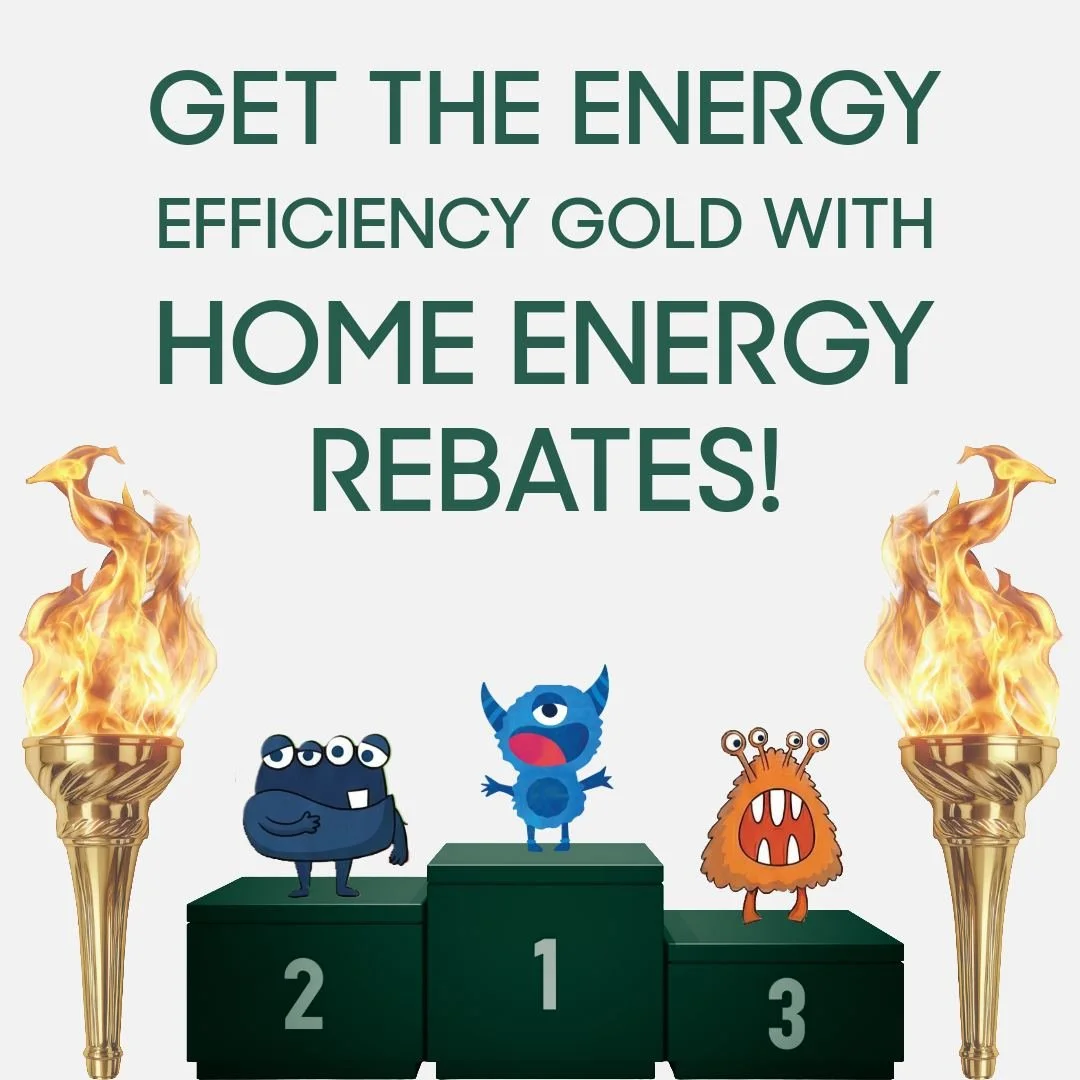
Bring Home the Gold in Energy Efficiency This Winter 🥇

Winter puts your home’s energy use to the test. Between longer nights, colder temperatures, and heating systems working overtime, it’s easy for energy bills to climb faster than expected. The good news? Homeowners across West Tennessee and North Mississippi have an opportunity to turn winter energy upgrades into real savings — with help from home energy rebates.

If your home could use better comfort, lower bills, or an HVAC upgrade, now is the perfect time to “bring home the gold” in energy efficiency.

Why Winter Is the Perfect Time to Upgrade Your HVAC System

When temperatures drop in places like Counce, Savannah, Pickwick, Hardin County, Corinth, and surrounding North Mississippi communities, your HVAC system is under its heaviest strain of the year. That makes winter the ideal season to identify inefficiencies that may go unnoticed during milder weather.

Common winter warning signs include:

  • Uneven heating from room to room

  • Higher energy bills without increased usage

  • A system that runs constantly but struggles to keep up

  • Cold drafts caused by leaky ductwork

Upgrading an aging HVAC system or improving airflow and duct sealing can make an immediate difference — especially during extended cold snaps.

Score Big with Home Energy Rebates

Many homeowners don’t realize that energy-saving upgrades may qualify for home energy rebates, helping offset the upfront cost of improvements.

Rebates may be available for:

  • HVAC system upgrades

  • High-efficiency heating equipment

  • Duct sealing and insulation improvements

  • Other energy-saving home upgrades

These programs are designed to reward homeowners who invest in long-term efficiency — making your home more comfortable now and less expensive to operate year after year.

👉 Get started and see what rebates may be available:
http://tva.me/sY0k50Y3JAl

Don’t Forget the Hidden MVP: Duct Sealing

Even the best HVAC system can’t perform well if your ductwork is leaking. Poorly sealed ducts allow heated air to escape into attics or crawlspaces instead of reaching your living areas.

Benefits of duct sealing include:

  • More consistent indoor temperatures

  • Reduced strain on your HVAC system

  • Improved energy efficiency

  • Lower monthly utility bills

For homes in West Tennessee and North Mississippi, duct sealing is often one of the fastest ways to improve comfort without a full system replacement.

Make Your Home a Winner This Heating Season

Energy efficiency isn’t just about saving money — it’s about comfort, reliability, and peace of mind during the coldest months of the year. Whether your home needs a full HVAC upgrade or targeted improvements, winter is the time to take action.

Before you make any decisions, it helps to talk with a local professional who understands the climate, the homes, and the systems common in our area.

Call Harbin Heating & Air Conditioning to Get Started

If you’re considering energy-saving upgrades or want help navigating rebates, Harbin Heating & Air Conditioning is here to help.

📞 Call 731-689-3651
📍 Serving Counce, Pickwick, Savannah, Hardin County, Corinth, MS, and all of North Mississippi

We’ll help you evaluate your system, identify opportunities for savings, and make sure your home is set up to win this winter — and every season after.

Heat Pumps Have Evolved: How Today’s Systems Perform When Temperatures Really Drop

For years, heat pumps had a reputation for struggling in cold weather. Homeowners across West Tennessee and North Mississippi were often told that heat pumps just couldn’t keep up once temperatures dropped below freezing.

That story has changed.

Modern heat pump technology has evolved significantly, and today’s systems are designed to deliver reliable comfort — even when winter temperatures really drop in places like Counce, Pickwick, Savannah, Hardin County, Corinth, MS, and surrounding areas.

If you’ve ruled out heat pumps in the past, it may be time to take another look.

Why Older Heat Pumps Struggled in Cold Weather

Traditional heat pumps worked well in mild climates but had limitations when temperatures fell too low. As outdoor air cooled, those systems:

  • Lost efficiency quickly

  • Relied heavily on backup heat

  • Struggled to maintain indoor comfort

That led many homeowners to believe heat pumps simply weren’t suitable for colder winter conditions.

What’s Different About Modern Heat Pumps

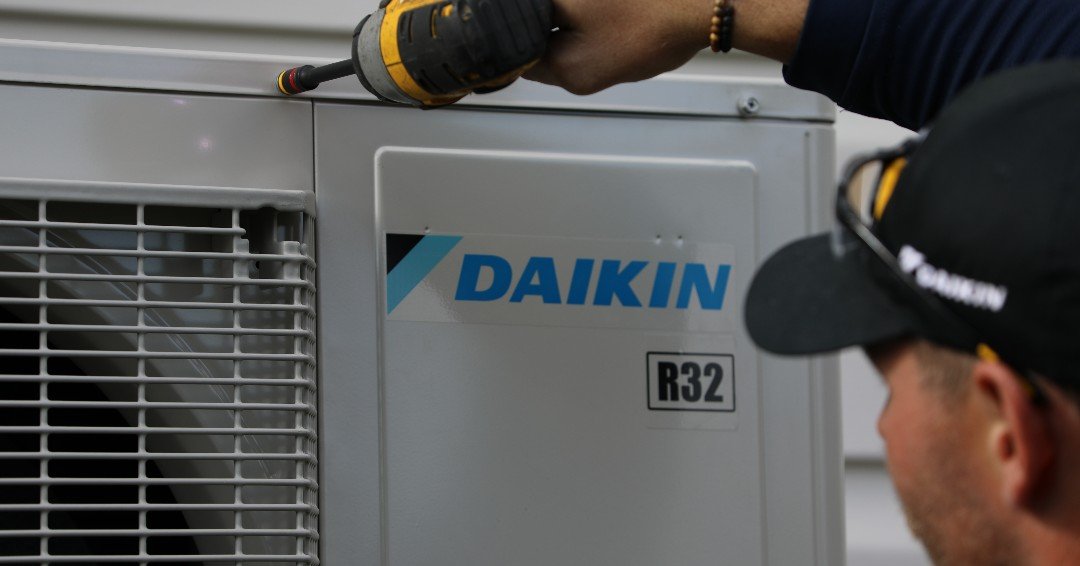
Today’s heat pumps are built with advanced technology that allows them to extract heat from outdoor air more effectively — even in freezing conditions.

Modern systems feature:

  • Improved compressor technology

  • Enhanced defrost cycles

  • Better cold-weather performance controls

  • Higher efficiency ratings

These upgrades allow modern heat pumps to maintain comfort in conditions that older systems couldn’t handle.

Better Comfort During Cold Snaps

One of the biggest advantages of today’s heat pumps is their ability to perform during cold snaps that are common in West Tennessee and North Mississippi.

Homeowners often notice:

  • More consistent indoor temperatures

  • Fewer swings between hot and cold

  • Reduced reliance on backup heat

That translates into improved comfort throughout the winter season.

Energy Efficiency Matters More Than Ever

Modern heat pumps are designed with energy efficiency in mind. Even when temperatures drop, they can deliver heat using less energy than traditional systems in many scenarios.

This can lead to:

  • Lower energy usage

  • More predictable utility bills

  • Reduced strain on the system during peak demand

Efficiency gains are especially noticeable during extended cold spells when heating systems run longer.

Are Heat Pumps Right for Every Home?

While modern heat pumps have come a long way, the right solution depends on several factors, including:

  • Home size and insulation

  • Existing ductwork

  • Typical winter temperatures

  • Comfort expectations

That’s why a professional evaluation is important. The right system should be selected and sized specifically for your home and climate.

Take a Closer Look at Modern Heat Pump Technology

If you’re curious about how today’s heat pumps are designed to handle cold weather, you can explore this example of modern heat pump technology here:

👉 https://bit.ly/3NudMMG

Seeing how far the technology has come can help homeowners make more informed decisions when it’s time to upgrade.

Talk to a Local HVAC Professional Before You Decide

If your current heating system is aging, inefficient, or struggling during cold weather, Harbin Heating & Air Conditioning can help you determine whether a modern heat pump is a good fit for your home.

📞 Call 731-689-3651 to schedule a heat pump evaluation
📍 Serving Counce, Pickwick, Savannah, Hardin County, Corinth, MS, and all of North Mississippi

Heat pumps aren’t what they used to be — and for many homeowners, today’s systems offer a reliable, efficient way to stay warm all winter long.

Is Your Water Heater Near the End of Its Life? Signs It May Be Time for Replacement

Hot water is one of those things you don’t think about — until it’s gone. And just like HVAC systems, water heaters often fail at the worst possible time, especially during winter when demand is higher and incoming groundwater is colder.

Homeowners across Counce, Pickwick, Savannah, Hardin County, Corinth, MS, and throughout North Mississippi often ask the same question: How do I know when my water heater is nearing the end of its life?

Here are the most common warning signs to watch for — and why waiting too long can lead to bigger problems.

1. Your Water Heater Is 8–12 Years Old

Age is the biggest factor in water heater reliability. Most traditional tank-style water heaters last 8 to 12 years.

If yours is approaching or past that range:

  • Internal components may be worn or corroded

  • Efficiency is likely declining

  • The risk of sudden failure increases each year

Even if it’s still working, an aging water heater is living on borrowed time.

2. Hot Water Runs Out Faster Than It Used To

If your showers are getting shorter — and not by choice — your water heater may be struggling to keep up.

This can be caused by:

  • Sediment buildup reducing tank capacity

  • Heating elements losing efficiency

  • Internal wear from years of use

Colder winter water makes this problem even more noticeable.

3. Rusty or Discolored Water

Seeing rusty or brownish water when you turn on the hot tap is a red flag. It often indicates:

  • Corrosion inside the tank

  • A failing anode rod

  • Internal damage that can’t be repaired

Once rust begins forming inside the tank, replacement is usually the safest option.

4. Unusual Noises From the Tank

Popping, rumbling, or banging sounds coming from your water heater are often caused by sediment hardening at the bottom of the tank.

Over time, this leads to:

  • Reduced efficiency

  • Overheating

  • Increased wear on the tank

Noise is often one of the last warnings before a failure.

5. Water Around the Base of the Heater

Moisture or puddles near the water heater should never be ignored. Leaks can signal:

  • Hairline cracks in the tank

  • Failing internal seals

  • Pressure-related damage

A leaking tank can fail suddenly and cause serious water damage if not addressed promptly.

Why Winter Is a Common Time for Water Heater Failures

During winter, water heaters work harder because:

  • Incoming water is colder

  • Hot water usage increases

  • Systems run longer to meet demand

That extra strain often exposes weaknesses in older units, leading to unexpected breakdowns.

Repair or Replace?

Minor issues can sometimes be repaired, but when a water heater is:

  • Near the end of its lifespan

  • Showing multiple warning signs

  • Losing efficiency

replacement is often the more cost-effective and reliable solution.

Modern water heaters are designed to deliver better efficiency, consistent hot water, and improved reliability — especially important during colder months.

Call Harbin Before a Small Problem Becomes a Big One

If you’re noticing signs of water heater trouble, Harbin Heating & Air Conditioning can help you evaluate your options and avoid an emergency replacement.

📞 Call 731-689-3651 to schedule a water heater evaluation

📍 Serving Counce, Pickwick, Savannah, Hardin County, Corinth, MS, and all of North Mississippi

A proactive replacement can save you from cold showers, water damage, and unexpected downtime — especially when winter isn’t finished yet.
Why HVAC Systems Fail When Temperatures Drop Below Freezing

When temperatures plunge below freezing in West Tennessee and North Mississippi, HVAC systems across Counce, Pickwick, Savannah, Hardin County, and Corinth, MS are pushed to work harder than at any other time of year. That’s why many breakdowns seem to happen during — or immediately after — the coldest nights.

It’s not bad luck. It’s physics, wear, and stress adding up.

Here’s why freezing weather causes HVAC failures and what homeowners should know.

Cold Weather Forces Systems to Run Longer

During a freeze, your heating system may run for hours at a time without shutting off. That extended runtime increases wear on:

  • Motors and bearings

  • Blower components

  • Electrical connections

If parts were already worn, extreme cold can push them past their limit.

Electrical Components Are Under Extra Strain

Cold snaps often come with power fluctuations, outages, and restarts. Each on-off cycle stresses electrical parts such as:

  • Contactors and relays

  • Control boards

  • Sensors and thermostats

Even brief outages can cause delayed failures that don’t show up until days later.

Heat Pumps Struggle in Extreme Cold

Heat pumps are common throughout West Tennessee and North Mississippi, but freezing temperatures make it harder for them to extract heat from outdoor air.

During extreme cold:

  • Defrost cycles run more frequently

  • Ice buildup reduces efficiency

  • Backup heat engages more often

This added workload increases energy use and exposes weak components.

Deferred Maintenance Shows Up at the Worst Time

Many winter breakdowns trace back to small issues that weren’t a problem during mild weather, such as:

  • Dirty air filters

  • Restricted airflow

  • Loose electrical connections

Cold weather magnifies these issues, turning minor problems into full system shutdowns.

Overnight Temperatures Are the Most Dangerous

Most winter HVAC failures happen overnight when temperatures are lowest and systems run continuously for long stretches. That’s when components experience the most stress — and when homeowners wake up to a cold house.

This is a common scenario across Hardin County and Corinth, MS during winter cold snaps.

How to Reduce the Risk of a Winter Breakdown

While no system is immune to freezing weather, homeowners can reduce risk by:

  • Scheduling annual HVAC maintenance

  • Changing air filters regularly

  • Addressing small performance issues early

  • Having the system inspected after extreme cold

These steps help catch problems before the next freeze hits.

When to Call for HVAC Service

If your system:

  • Runs constantly without warming the home

  • Makes new or unusual noises

  • Cycles on and off frequently

  • Causes a sudden spike in energy bills

it’s time to schedule professional service.

Local Help During Cold Weather

At Harbin Heating & Air Conditioning, we help homeowners throughout Counce, Pickwick, Savannah, Hardin County, Corinth, MS, and North Mississippi diagnose and prevent cold-weather HVAC failures.

📞 Call 731-689-3651 to schedule HVAC service or an inspection

📍 5910 Hwy 57 • Counce, TN 38326

Freezing temperatures put HVAC systems to the test. A proactive check now can help you avoid waking up to a cold home when winter isn’t finished yet.
What to Check After a Cold Snap: How Freezing Temperatures Affect Your HVAC System

After a cold snap rolls through West Tennessee and North Mississippi, many homeowners assume that once the temperature rises, everything is back to normal. But freezing weather can quietly stress HVAC systems in ways that don’t always show up right away.

Across Counce, Pickwick, Savannah, Hardin County, Corinth, MS, and surrounding areas, post-freeze HVAC issues are common — especially after systems have been running nonstop through overnight lows.

Here’s what homeowners should check once freezing temperatures move out and why a quick inspection can prevent bigger problems later.

Why Cold Snaps Are Hard on HVAC Systems

When temperatures drop below freezing, heating systems are pushed beyond their usual workload. During a cold snap, your HVAC system may:

  • Run for extended periods without shutting off

  • Cycle frequently to maintain indoor comfort

  • Rely heavily on electrical components and defrost cycles

Even if the system kept running, that extra demand can expose weak parts, airflow issues, or efficiency problems that didn’t show up before the cold hit.

1. Check How Evenly Your Home Is Heating

One of the first signs of post-freeze HVAC trouble is uneven comfort.

Pay attention to:

  • Rooms that feel colder than others

  • Weak airflow from certain vents

  • Longer run times without reaching the set temperature

These issues often point to airflow restrictions, duct problems, or components that were stressed during the cold snap.

2. Listen for New or Unusual Noises

After freezing weather, your HVAC system shouldn’t sound any different than usual.

Be alert for:

  • Buzzing or humming

  • Rattling or grinding sounds

  • Clicking or frequent starting and stopping

New noises often indicate electrical strain or mechanical wear caused by extended cold-weather operation.

3. Inspect the Outdoor Unit Once Ice Has Melted

If you have a heat pump or outdoor unit, wait until ice has fully melted and conditions are safe before inspecting.

Look for:

  • Debris around or inside the unit

  • Bent fins or damaged panels

  • Signs of lingering ice buildup

Never chip ice away with tools — that can damage coils and fins. If ice doesn’t clear naturally, professional service is the safest option.

4. Watch for Rising Energy Bills

Many homeowners in Hardin County and North Mississippi notice higher energy usage after a cold snap — even when temperatures return to normal.

This can happen when:

  • The system lost efficiency during freezing weather

  • Defrost cycles continue running more often than needed

  • Components were damaged and are working harder than before

A sudden increase in energy costs is often an early warning sign.

5. Don’t Ignore Small Comfort Changes

After a cold snap, small changes matter. If your home:

  • Takes longer to warm up

  • Feels drafty or inconsistent

  • Requires constant thermostat adjustments

your HVAC system may still be compensating for cold-weather stress.

Catching these issues early can help prevent emergency breakdowns during the next round of winter weather.

When to Call for HVAC Service

If you notice uneven heating, unusual noises, higher bills, or performance changes after a freeze, it’s time to schedule a professional inspection.

A post-cold-snap check can:

  • Identify hidden damage

  • Restore efficiency

  • Reduce the risk of a mid-winter breakdown

Local HVAC Help You Can Trust

At Harbin Heating & Air Conditioning, we help homeowners recover after cold snaps and keep their systems running safely and efficiently.

📞 Call 731-689-3651 to schedule HVAC service or an inspection

📍 Serving Counce, Pickwick, Savannah, Hardin County, Corinth, MS, and all of North Mississippi

Freezing weather may pass, but the strain it puts on your HVAC system can linger. A quick check now can save you from bigger problems when the next cold snap hits.