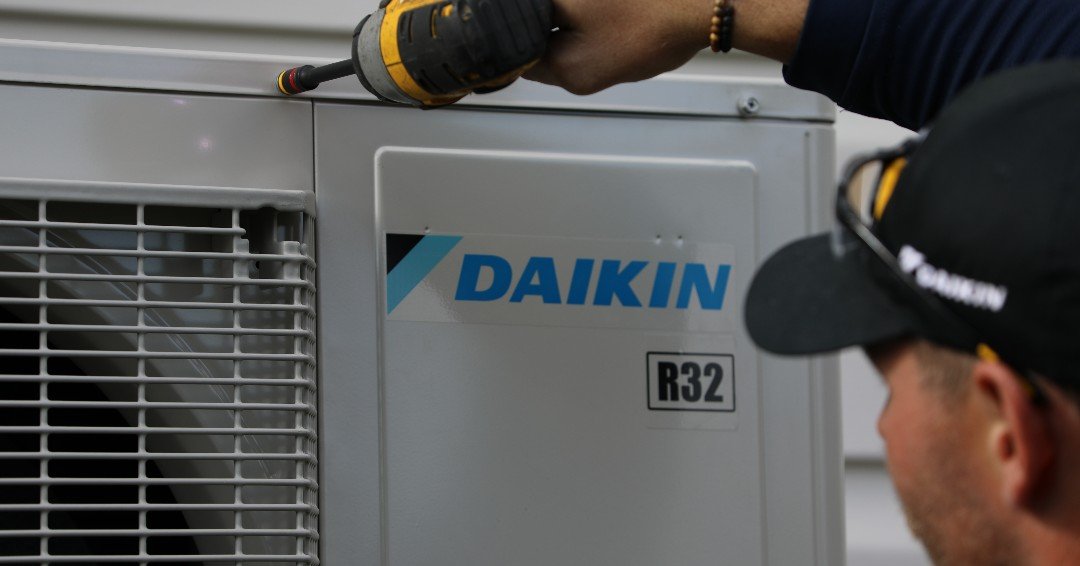
For years, heat pumps had a reputation for struggling in cold weather. Homeowners across West Tennessee and North Mississippi were often told that heat pumps just couldn’t keep up once temperatures dropped below freezing.
That story has changed.
Modern heat pump technology has evolved significantly, and today’s systems are designed to deliver reliable comfort — even when winter temperatures really drop in places like Counce, Pickwick, Savannah, Hardin County, Corinth, MS, and surrounding areas.
If you’ve ruled out heat pumps in the past, it may be time to take another look.
Why Older Heat Pumps Struggled in Cold Weather
Traditional heat pumps worked well in mild climates but had limitations when temperatures fell too low. As outdoor air cooled, those systems:
Lost efficiency quickly
Relied heavily on backup heat
Struggled to maintain indoor comfort
That led many homeowners to believe heat pumps simply weren’t suitable for colder winter conditions.
What’s Different About Modern Heat Pumps
Today’s heat pumps are built with advanced technology that allows them to extract heat from outdoor air more effectively — even in freezing conditions.
Modern systems feature:
Improved compressor technology
Enhanced defrost cycles
Better cold-weather performance controls
Higher efficiency ratings
These upgrades allow modern heat pumps to maintain comfort in conditions that older systems couldn’t handle.
Better Comfort During Cold Snaps
One of the biggest advantages of today’s heat pumps is their ability to perform during cold snaps that are common in West Tennessee and North Mississippi.
Homeowners often notice:
More consistent indoor temperatures
Fewer swings between hot and cold
Reduced reliance on backup heat
That translates into improved comfort throughout the winter season.
Energy Efficiency Matters More Than Ever
Modern heat pumps are designed with energy efficiency in mind. Even when temperatures drop, they can deliver heat using less energy than traditional systems in many scenarios.
This can lead to:
Lower energy usage
More predictable utility bills
Reduced strain on the system during peak demand
Efficiency gains are especially noticeable during extended cold spells when heating systems run longer.
Are Heat Pumps Right for Every Home?
While modern heat pumps have come a long way, the right solution depends on several factors, including:
Home size and insulation
Existing ductwork
Typical winter temperatures
Comfort expectations
That’s why a professional evaluation is important. The right system should be selected and sized specifically for your home and climate.
Take a Closer Look at Modern Heat Pump Technology
If you’re curious about how today’s heat pumps are designed to handle cold weather, you can explore this example of modern heat pump technology here:
Seeing how far the technology has come can help homeowners make more informed decisions when it’s time to upgrade.
Talk to a Local HVAC Professional Before You Decide
If your current heating system is aging, inefficient, or struggling during cold weather, Harbin Heating & Air Conditioning can help you determine whether a modern heat pump is a good fit for your home.
📞 Call 731-689-3651 to schedule a heat pump evaluation
📍 Serving Counce, Pickwick, Savannah, Hardin County, Corinth, MS, and all of North Mississippi
Heat pumps aren’t what they used to be — and for many homeowners, today’s systems offer a reliable, efficient way to stay warm all winter long.