Please ensure Javascript is enabled for purposes of website accessibility

Free Smart Energy Starter Kit Helps Local Businesses Cut Energy Costs

Running a small or mid-sized business comes with plenty of challenges—and rising energy costs shouldn’t be one of them. From lighting and equipment to heating and cooling, energy use plays a major role in monthly operating expenses. The good news? There’s now an easy, no-cost way for eligible businesses to take control of their energy use and lower utility bills.

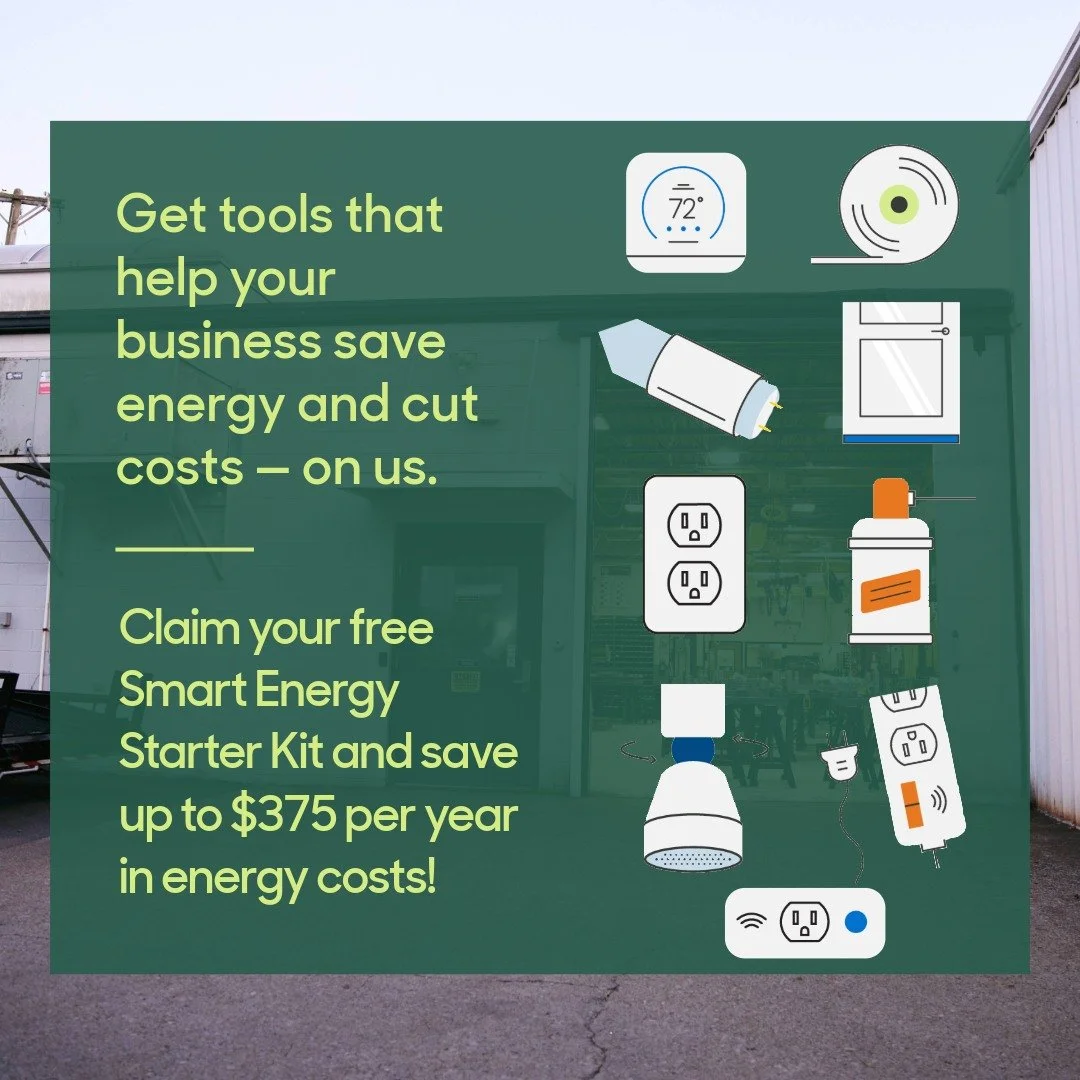
A FREE Smart Energy Starter Kit is available to help local businesses save up to $375 per year on energy costs—all while improving efficiency and comfort.

Why Energy Efficiency Matters for Small Businesses

Energy expenses often rank among the top operating costs for small and mid-size businesses. Older thermostats, inefficient lighting, and equipment that runs around the clock can quietly drive bills higher month after month.

By upgrading to smarter energy tools, businesses can:

  • Reduce unnecessary energy usage

  • Gain better control over heating, cooling, and power consumption

  • Improve workplace comfort for employees and customers

  • Lower long-term operating costs

Best of all, many of these upgrades don’t require expensive renovations or downtime.

What’s Included in the Smart Energy Starter Kit?

The Smart Energy Starter Kit is designed to deliver immediate savings with easy-to-use tools that fit seamlessly into everyday operations.

The kit includes:

  • Smart Thermostat – Automatically adjusts heating and cooling for optimal efficiency

  • Wi-Fi Smart Plug – Control equipment and devices remotely or on a schedule

  • Smart Power Strip – Prevents energy waste from idle electronics

  • Five additional energy-saving tools – Designed to reduce standby power use and improve efficiency

Each item works together to help businesses better manage energy consumption without changing how they operate day to day.

Bonus: Free LED Lighting Upgrade

Eligible businesses may also receive a FREE 25-pack of 4-foot LED tubes. Lighting upgrades are one of the fastest ways to reduce energy costs, and LEDs use significantly less electricity than traditional fluorescent bulbs—while lasting longer and improving light quality.

This upgrade alone can lead to noticeable savings, especially in warehouses, offices, retail spaces, and workshops.

How Much Can Businesses Save?

With smart controls, efficient lighting, and reduced energy waste, businesses can save up to $375 per year—sometimes more depending on usage patterns.

Those savings add up quickly, helping improve cash flow and reinvestment opportunities without upfront costs.

Supporting Local Businesses, Strengthening Communities

This program is about more than saving energy—it’s about supporting local businesses and helping communities thrive. Lower energy bills mean more resources for growth, employees, and customers.

When businesses save, the entire community benefits.

How to Get Started

Eligible businesses can claim their FREE Smart Energy Starter Kit and start saving right away.

👉 Get your kit here:
http://tva.me/UeF250XyoEb

Availability is limited, so businesses are encouraged to apply as soon as possible.
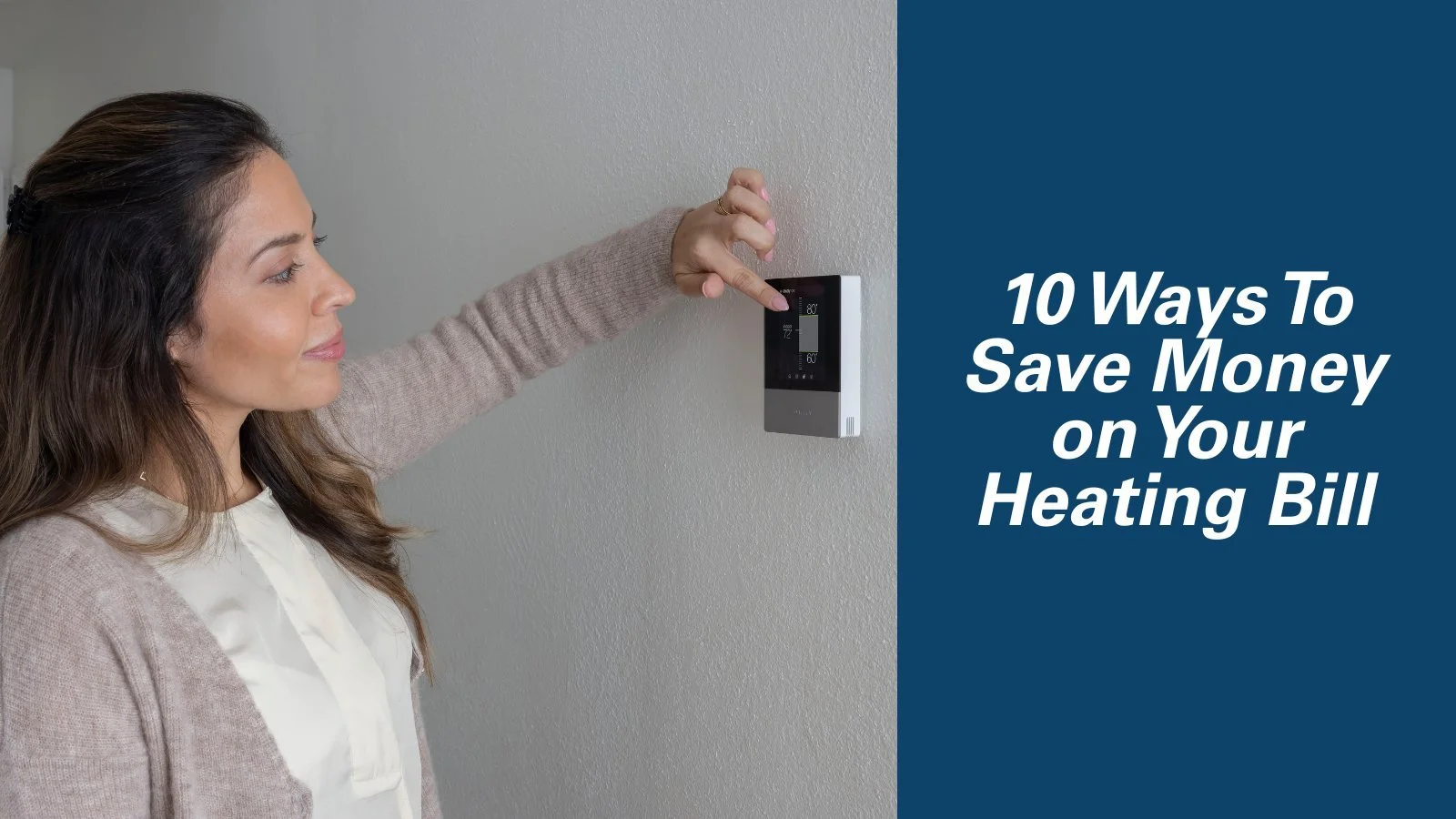
10 Ways to Save Money on Your Heating Bill

When colder weather sets in, heating costs can quickly become one of the largest expenses on your monthly utility bill. The good news is that there are many effective ways to reduce energy use without sacrificing comfort. From small adjustments to larger home upgrades, these strategies can help keep your home warm while keeping costs under control.

Below are ten proven ways homeowners can lower their heating bills and improve overall energy efficiency.

1. Adjust Your Thermostat Strategically

Lowering your thermostat by just one or two degrees can lead to noticeable savings over the course of a winter. When you’re sleeping or away from home, reducing the temperature even slightly can cut unnecessary energy use.

A programmable or smart thermostat makes this easier by automatically adjusting temperatures based on your schedule.

2. Seal Drafts Around Doors and Windows

Air leaks are one of the most common causes of heat loss. Cold air entering through gaps around doors, windows, and baseboards forces your heating system to work harder.

Weatherstripping, caulking, and draft stoppers are affordable fixes that can make an immediate difference.

3. Upgrade Insulation

Proper insulation helps trap warm air inside during winter and keeps hot air out during summer. If your home lacks adequate insulation—especially in attics or crawl spaces—you could be losing a significant amount of heat.

Adding or upgrading insulation is one of the most effective long-term energy-saving improvements.

4. Maintain Your Heating System

A well-maintained heating system runs more efficiently and uses less energy. Regular HVAC maintenance, including filter changes and professional inspections, ensures your system isn’t working harder than necessary.

Dirty filters alone can restrict airflow and increase energy use.

5. Use Zoning to Heat Only the Spaces You Need

Zoning systems allow you to control temperatures in different areas of your home independently. This prevents wasting energy on rooms that aren’t in use and helps maintain consistent comfort throughout the house.

Zoning can be especially useful for multi-level homes or households with varying comfort needs.

6. Take Advantage of Natural Sunlight

During daylight hours, open curtains and blinds on south-facing windows to let in natural warmth from the sun. At night, closing them helps retain heat and reduce cold drafts.

This simple habit can supplement your heating system at no cost.

7. Upgrade to Energy-Efficient Windows

Older windows can be a major source of heat loss. Replacing them with energy-efficient windows can significantly reduce drafts and improve insulation.

While this is a larger investment, it can lead to long-term savings and improved comfort.

8. Improve Ductwork Efficiency

Leaky or poorly insulated ductwork can lose a substantial amount of heated air before it ever reaches your living spaces. Sealing and insulating ducts helps ensure warm air is delivered efficiently throughout your home.

This improvement can also reduce uneven heating from room to room.

9. Consider Upgrading Your HVAC System

Older heating systems tend to be far less efficient than modern models. Upgrading your heating and AC system can dramatically reduce energy consumption while improving comfort and reliability.

Many newer systems are designed to operate efficiently even in colder climates.

10. Schedule a Home Energy Audit

A professional home energy audit provides a clear picture of how your home uses energy and where improvements can have the biggest impact. Audits evaluate insulation, HVAC performance, air leaks, and more—helping homeowners make informed decisions about upgrades.

Start Saving on Heating Costs Today

Lowering your heating bill doesn’t have to mean sacrificing comfort. By combining simple habits with targeted home improvements, you can create a warmer, more energy-efficient home all winter long.

Is Your Home Really Energy Efficient? What a Home Energy Audit Can Reveal About Your HVAC System

If your energy bills seem higher than they should be—or your home never feels quite as comfortable as you expect—you’re not alone. Many homeowners assume rising utility costs are just part of living through hot summers and cold winters. In reality, your HVAC system and the way your home uses energy may be telling a much different story.

That’s where a home energy audit comes in.

A home energy audit is one of the most effective ways to understand how your heating and cooling system impacts energy use, where your home is losing efficiency, and what improvements can make the biggest difference. For homeowners across Alabama, Savannah TN, Corinth MS, and Iuka MS, an audit can uncover hidden issues that quietly drive up monthly costs.

What Is a Home Energy Audit?

A home energy audit is a comprehensive evaluation of how your home uses energy. It looks beyond surface-level issues and focuses on the systems and components that influence comfort, efficiency, and long-term costs.

During an audit, professionals may assess:

  • Your HVAC system’s performance and age

  • Ductwork condition and potential air leaks

  • Insulation levels in attics and walls

  • Air infiltration around doors, windows, and vents

  • Thermostat settings and system controls

The goal is simple: identify where energy is being wasted and pinpoint practical opportunities to save.

Why Your HVAC System Plays a Major Role

Your HVAC system is typically the largest energy user in your home. If it’s outdated, improperly sized, or struggling to distribute air evenly, it can work harder than necessary—leading to higher bills and inconsistent comfort.

A home energy audit can reveal:

  • Inefficient heating and cooling cycles

  • Air leaks that force your system to run longer

  • Duct issues that waste conditioned air

  • Opportunities to upgrade to more efficient equipment

For homeowners in this region, where temperatures can swing from freezing mornings to warm afternoons, HVAC efficiency matters year-round.

Common Problems Energy Audits Uncover

Many energy losses happen quietly, behind walls or above ceilings. Some of the most common findings include:

Leaky ductwork
Small gaps in ducts can leak a surprising amount of heated or cooled air into unconditioned spaces like attics or crawlspaces.

Poor insulation
Inadequate insulation allows heat to escape in winter and enter in summer, forcing your HVAC system to compensate.

Outdated equipment
Older HVAC systems often lack modern efficiency features, such as variable-speed motors or inverter technology.

Air infiltration
Drafts around doors, windows, and utility penetrations can significantly impact comfort and energy use.

How an Energy Audit Helps You Save Money

The value of a home energy audit isn’t just in identifying problems—it’s in helping you prioritize solutions. Instead of guessing where to spend money, you can focus on upgrades that deliver real returns.

Many homeowners find that addressing just a few key issues leads to:

  • Lower monthly utility bills

  • Improved indoor comfort

  • Reduced strain on HVAC equipment

  • Longer system lifespan

In some cases, audits also point homeowners toward rebates or incentives tied to energy-efficient upgrades.

When Should You Consider a Home Energy Audit?

A home energy audit is especially helpful if:

  • Your energy bills keep rising without explanation

  • Some rooms are consistently too hot or too cold

  • Your HVAC system runs constantly

  • You’re considering upgrading your heating or cooling system

  • Your home is older or has never been evaluated for efficiency

Whether you live in a newer build or a decades-old home, an audit can provide clarity and direction.

Turning Insight Into Action

Once you understand how your home uses energy, making smart decisions becomes easier. Sometimes the solution is as simple as sealing ducts or adjusting insulation. Other times, it may involve upgrading to a more efficient HVAC system designed for modern comfort needs.

The key is having reliable information before making changes—and that’s exactly what a home energy audit delivers.

A Smarter Path to Comfort and Efficiency

Energy efficiency isn’t about sacrificing comfort. It’s about making your home work smarter. A home energy audit gives you the knowledge to improve comfort, reduce waste, and control costs—without unnecessary guesswork.

If you’ve ever wondered how efficient your home really is, this is the best place to start.

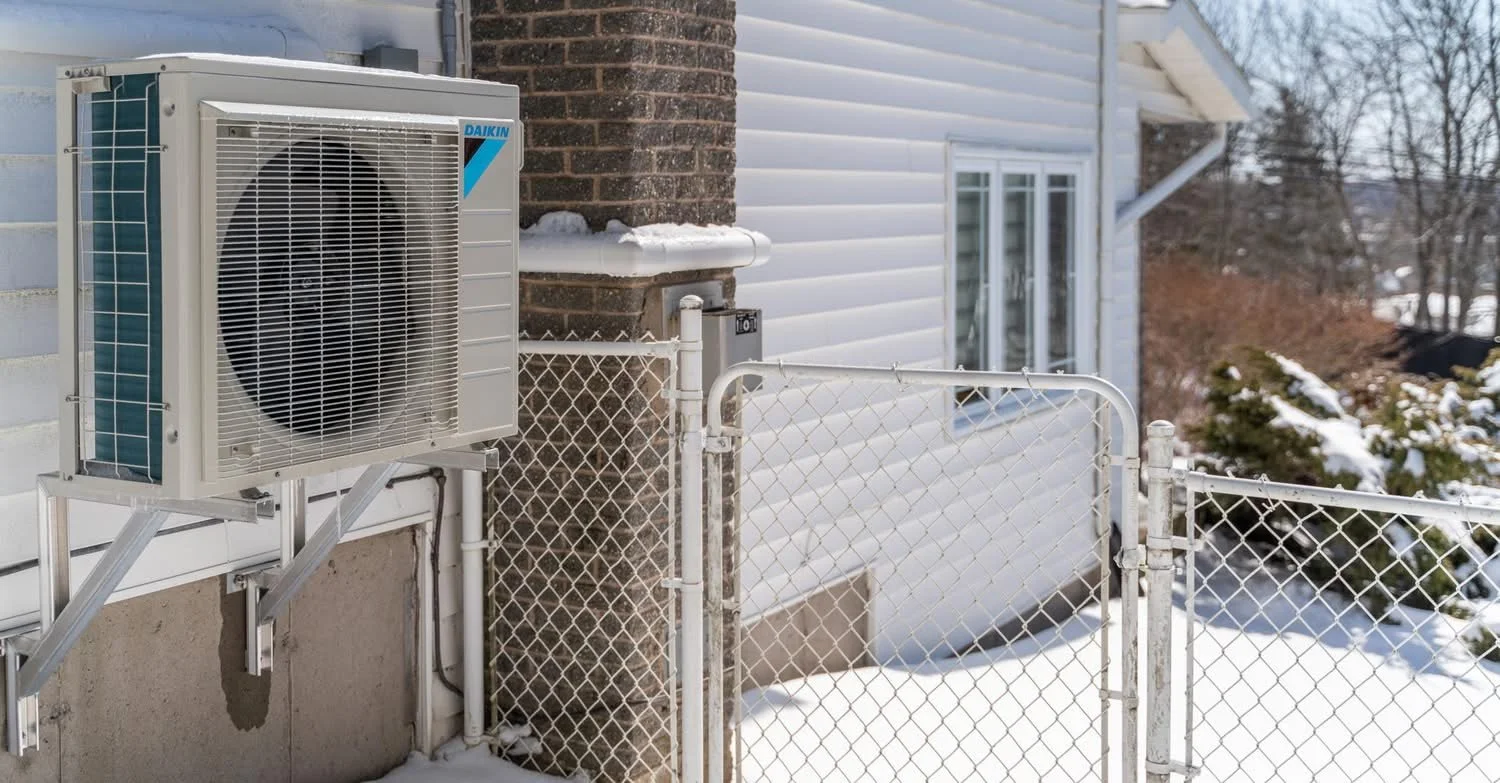
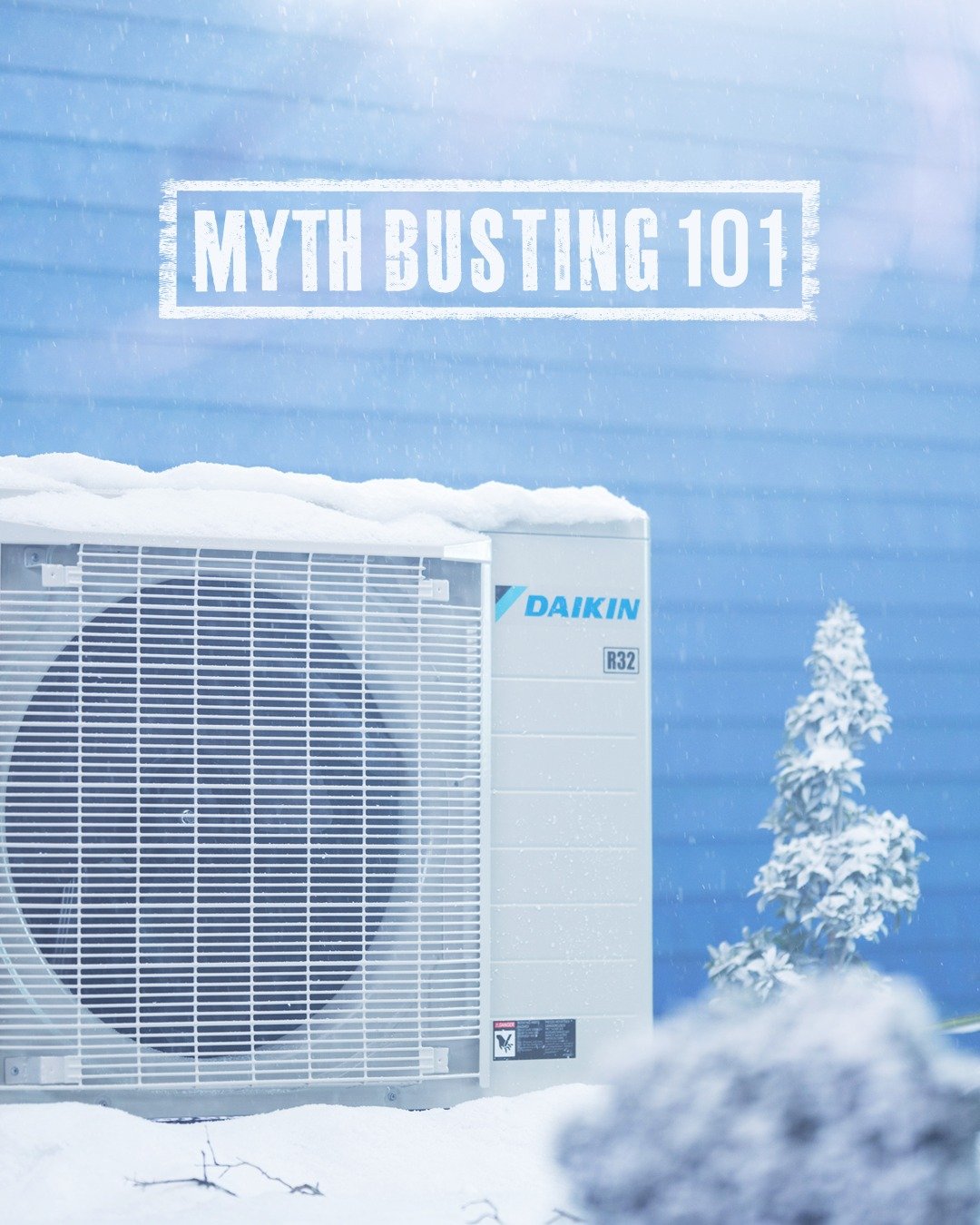
Cold-Climate Heat Pumps: The Myth-Busting Technology Changing the Way We Heat Homes

For years, homeowners were told the same thing: heat pumps don’t work when it’s cold. If you live in Alabama—or just across the state line in Savannah, Tennessee, Corinth, Mississippi, or Iuka, Mississippi—you’ve probably heard that advice before. When winter arrived, furnaces, fireplaces, and space heaters were considered the only reliable ways to stay warm.

That belief is now outdated.

Thanks to major advances in cold-climate heat pump technology, modern systems are designed to provide steady, efficient heat even when outdoor temperatures drop well below what older heat pumps could handle. These systems are reshaping how homeowners think about winter comfort—and helping them lower energy costs at the same time.

What Is a Cold-Climate Heat Pump?

A cold-climate heat pump is a high-efficiency heating and cooling system engineered to operate reliably in lower outdoor temperatures. Instead of creating heat through combustion or electric resistance, heat pumps move heat from outside to inside—even when it’s cold.

While that may sound counterintuitive, heat exists in outdoor air year-round. Modern cold-climate heat pumps use advanced compressors and refrigerant technology to extract that heat efficiently and deliver it indoors.

For homeowners in northwest Alabama, Savannah TN, Corinth MS, and Iuka MS—where winters can swing from mild to sharply cold—this technology provides dependable performance without relying heavily on backup heat.

Why the Old Heat Pump Myths Still Exist

Many of today’s misconceptions come from experiences with heat pumps installed decades ago. Older systems ran at one speed: fully on or fully off. When temperatures dropped, they struggled to keep up and often switched to costly electric resistance heat, driving up energy bills.

Those limitations gave heat pumps a bad reputation in colder weather.

Today’s systems are entirely different.

How Cold-Climate Heat Pumps Handle Winter Weather

Modern cold-climate heat pumps use inverter technology, which allows the system to adjust its output continuously based on demand. Instead of cycling on and off, the system runs steadily at the level needed to maintain comfort.

This results in:

  • More consistent indoor temperatures

  • Fewer cold spots throughout the home

  • Quieter operation

  • Improved energy efficiency

Even during winter cold snaps, these systems maintain performance without the constant need for auxiliary heat—something older heat pumps simply couldn’t do.

Energy Efficiency That Pays Off

One of the biggest advantages of cold-climate heat pumps is efficiency. Because they move heat rather than generate it, they use significantly less energy than traditional heating methods.

Homeowners often notice:

  • Lower monthly heating bills

  • Reduced overall energy use

  • Improved comfort with fewer temperature swings

  • Long-term savings over the life of the system

In communities like Corinth MS and Iuka MS, where many homes still rely on aging furnaces or baseboard heaters, upgrading to a cold-climate heat pump can be a meaningful step toward better efficiency and comfort.

Year-Round Comfort in One System

Cold-climate heat pumps don’t just handle winter heating—they also provide efficient cooling during hot, humid summers. In Alabama and surrounding areas, that dual capability is a major benefit.

Instead of maintaining separate systems for heating and cooling, homeowners can rely on one high-efficiency solution that adapts to every season.

Are Cold-Climate Heat Pumps a Good Fit for This Region?

Many people assume cold-climate heat pumps are only useful in northern states, but regions like Alabama, southern Tennessee, and northeast Mississippi are actually well-suited for this technology.

They work especially well for:

  • Homes with fluctuating winter temperatures

  • Homeowners replacing older HVAC systems

  • Families looking for quieter, more even heating

  • Anyone interested in long-term energy savings

When properly sized and professionally installed, cold-climate heat pumps perform exceptionally well in this area.

Installation Matters

As with any HVAC upgrade, proper installation is critical. Factors like insulation, ductwork, home layout, and system sizing all affect performance. A qualified HVAC professional can ensure the system is designed specifically for your home’s needs and local climate.

This attention to detail makes the difference between a system that simply works—and one that truly delivers comfort and efficiency.

A Smarter Way to Heat Your Home

Cold-climate heat pumps are changing the conversation about winter comfort. They’re efficient, reliable, and built for modern homes—even when temperatures drop.

If you’re considering an HVAC upgrade or looking for smarter ways to stay warm without driving up energy costs, cold-climate heat pump technology is worth exploring.

Learn more about cold-climate heat pumps: https://bit.ly/495WPzt

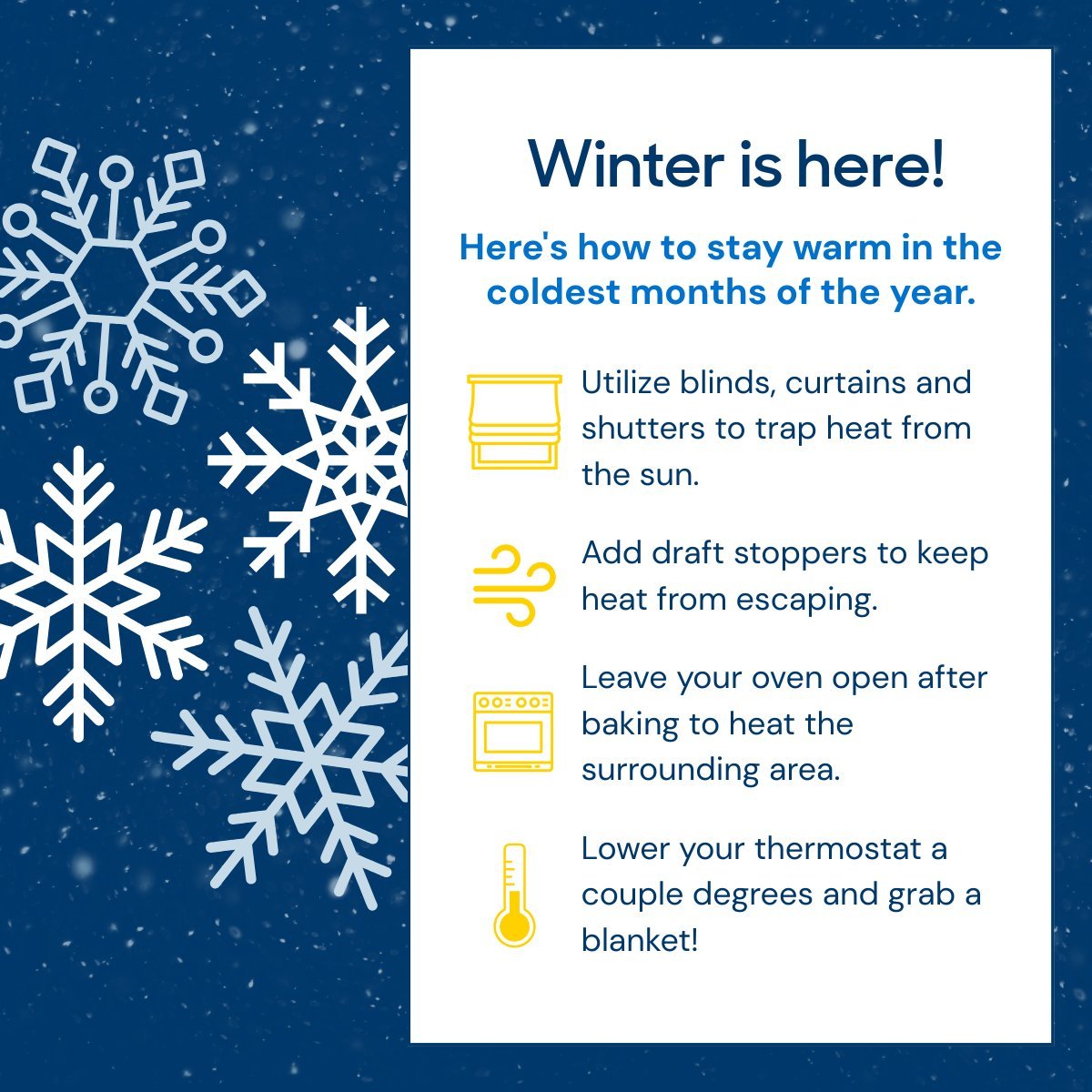
Winter Is Here: Simple Ways to Stay Warm Without Raising Your Energy Bills

December 21 marks the official first day of winter, and for homeowners across Savannah, Tennessee; Corinth and Iuka, Mississippi; Florence, Alabama; and Counce, Tennessee, that means colder nights, frosty mornings, and heating systems working overtime.

When temperatures drop, it’s easy to assume higher utility bills are unavoidable. But the truth is, small changes around your home can make a noticeable difference in comfort and energy costs. You don’t need to crank the thermostat or invest in major upgrades to stay warm this season. Sometimes, the simplest habits are the most effective.

As we head into the coldest months of the year, here are a few practical, low-cost ways to keep your home cozy while keeping energy use under control.

Use Sunlight to Your Advantage

Even on cold winter days, the sun can be a powerful (and free) heat source.

During daylight hours, open blinds, curtains, and shutters on windows that receive direct sunlight. This allows natural warmth to enter your home and gently raise indoor temperatures without using extra energy.

Once the sun goes down, close those window coverings to help trap the heat inside. Heavy curtains or insulated blinds are especially effective in reducing heat loss overnight.

This simple habit is particularly helpful for homes in Savannah and Corinth, where winter days often bring bright sunshine despite chilly temperatures.

Stop Drafts Before They Steal Your Heat

Drafts are one of the most common reasons homes feel cold even when the heater is running. Gaps under doors, around windows, and near exterior walls allow warm air to escape — and cold air to sneak in.

Adding draft stoppers to exterior doors is an inexpensive fix that can immediately improve comfort. Weather stripping and door sweeps also help seal gaps and keep heat where it belongs.

If certain rooms always feel colder than others, drafts could be the culprit. Addressing them can make your entire home feel more evenly heated without adjusting the thermostat.

Make Use of Residual Heat

After baking or cooking, your oven holds onto warmth. Turning the oven off and leaving the door open once it’s safe to do so can release that residual heat into the surrounding space.

While this won’t heat your entire home, it can add a little extra warmth to kitchens and nearby rooms — especially during evening hours when temperatures drop.

This tip works best as a supplemental measure and should never replace safe heating practices, but it’s a smart way to make use of heat you’ve already paid for.

Lower the Thermostat — Just a Little

One of the most effective ways to save energy in winter is to lower your thermostat by a couple of degrees. Even a small adjustment can reduce heating costs over time.

Instead of turning the heat up, try layering up with sweaters or grabbing a cozy blanket. Many homeowners find they stay just as comfortable with a slightly lower setting — especially when drafts are sealed and sunlight is used effectively.

For families in Iuka and Florence, where winter temperatures can fluctuate, this approach offers flexibility without sacrificing comfort.

Why Small Changes Add Up

Individually, these tips may seem minor. But together, they can significantly reduce how hard your heating system has to work. Less strain on your HVAC system means:

  • Lower monthly utility bills

  • More consistent indoor temperatures

  • Reduced wear and tear on equipment

  • Fewer unexpected winter breakdowns

When paired with regular HVAC maintenance, these habits help your system run more efficiently all season long.

Local Homes, Local Solutions

Homes throughout northwest Alabama, southern Tennessee, and northeast Mississippi vary widely in age, layout, and insulation. That’s why one-size-fits-all advice doesn’t always work.

At Harbin Heating & Air Conditioning, we’ve spent decades helping local homeowners prepare for winter with solutions that fit their specific homes and budgets. From quick efficiency tips to professional tune-ups, our goal is to help you stay comfortable without unnecessary energy waste.

A Comfortable Winter Starts with Smart Choices

Winter doesn’t have to mean skyrocketing utility costs. With a few thoughtful adjustments and energy-smart habits, you can enjoy a warm, comfortable home throughout the coldest months of the year.

If you’re looking for even more ways to save energy — or want professional guidance on improving your home’s efficiency — help is available.

📞 Harbin Heating & Air Conditioning

📍 5910 Hwy 57, Counce, TN 38326
📱 (731) 689-3651

Proudly serving Savannah, TN • Corinth, MS • Iuka, MS • Florence, AL • Counce, TN

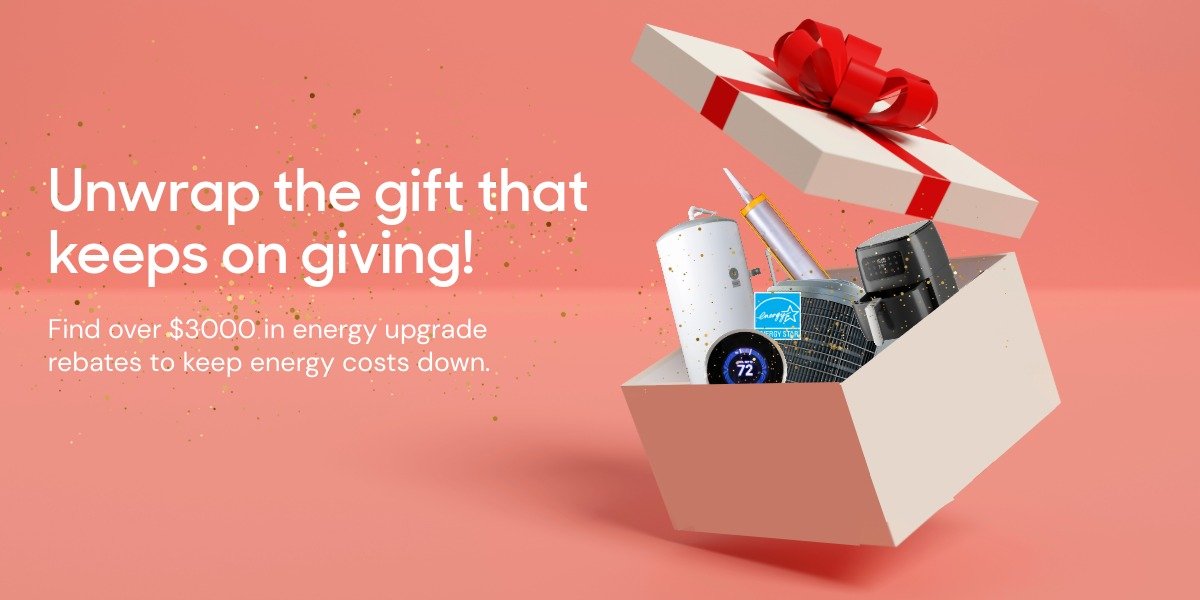
Unwrap the Gift That Keeps on Giving: How Energy-Efficient Upgrades Can Save You Over $3,000

When most people think of gifts, they imagine something wrapped with a bow — something fun, flashy, and temporary. But what if the best gift you could give your home (and your wallet) is one that keeps paying you back month after month?

For homeowners across Savannah, Tennessee; Corinth and Iuka, Mississippi; Florence, Alabama; and Counce, Tennessee, energy-efficient upgrades are becoming that gift. Thanks to stackable energy rebates totaling more than $3,000, now is one of the best times to invest in improvements that lower utility bills, boost comfort, and add long-term value to your home.

Whether you’re starting small with an HVAC tune-up or tackling bigger projects like duct sealing, these upgrades aren’t just about savings today — they’re about setting your home up for years of efficiency.

Why Energy-Efficient Upgrades Are the Ultimate “Gift”

Energy upgrades are different from most home improvements. While a new countertop or coat of paint looks nice, efficiency upgrades work behind the scenes, quietly saving you money every single month.

Homeowners who invest in efficiency improvements often notice:

  • Lower heating and cooling costs

  • More even temperatures throughout the home

  • Less strain on HVAC equipment

  • Improved indoor air quality

  • Greater long-term home value

And with today’s rebate programs, many of these upgrades cost far less than you might expect.

Over $3,000 in Stackable Rebates — What Does That Mean?

“Stackable rebates” simply means you don’t have to choose just one improvement. You can combine multiple qualifying upgrades and earn incentives for each one.

That might include:

  • HVAC system tune-ups

  • Duct sealing or duct improvements

  • Insulation upgrades

  • High-efficiency heating and cooling equipment

  • Smart thermostats

Each project helps reduce wasted energy — and when combined, the savings can be substantial.

For homeowners in older homes around Corinth, Iuka, and Savannah, where ductwork and insulation may be outdated, stacking these upgrades often delivers the biggest return.

Start Small or Go Big — Every Upgrade Counts

One of the best parts of these rebate programs is flexibility. You don’t have to overhaul your entire home to benefit.

HVAC Tune-Ups

A simple tune-up improves system performance, catches small issues early, and helps your equipment run more efficiently — all while qualifying for rebates.

Duct Sealing

Leaky ducts can waste a surprising amount of energy. Sealing them helps ensure heated and cooled air actually reaches the rooms where you need it.

Insulation & Air Sealing

Insulation upgrades reduce heat loss in winter and heat gain in summer, making your HVAC system’s job easier year-round.

Smart Controls

Smart thermostats help fine-tune comfort and energy use automatically, preventing unnecessary heating or cooling when you’re away.

No matter which path you choose, these improvements don’t just save money upfront — they continue to reduce utility costs for years.

Why These Savings Matter More Than Ever

Energy costs fluctuate, but one thing remains constant: inefficient homes cost more to operate. Every dollar saved on utilities is a dollar you can spend elsewhere — or save altogether.

Homeowners in Florence, AL and Counce, TN often tell us the same thing after upgrading:
“I didn’t realize how much energy we were wasting until it stopped.”

Efficiency upgrades help stabilize monthly expenses and protect your budget from seasonal spikes.

Local Expertise Makes the Difference

Rebates and incentives are only part of the equation. Choosing the right contractor ensures upgrades are installed correctly, qualify for incentives, and deliver real results.

Harbin Heating & Air Conditioning has served homeowners throughout Tennessee, Mississippi, and Alabama for decades. We understand the unique challenges of local homes — from aging duct systems to seasonal temperature swings — and help homeowners choose upgrades that actually make sense.

Our team walks you through:

  • Which upgrades qualify

  • How rebates can be stacked

  • What improvements will deliver the best return

  • How to plan projects at your own pace

Whether you’re improving a family home, rental property, or vacation house near Pickwick, expert guidance ensures your investment pays off.

The Gift That Keeps on Giving

Energy-efficient upgrades don’t end when the work is done. They continue to deliver:

  • Lower monthly power bills

  • Reduced wear on HVAC equipment

  • More consistent comfort

  • Increased home value

With more than $3,000 available in stackable rebates, this is a rare opportunity to make meaningful improvements for less.

If you’ve been waiting for the “right time” to upgrade, this is it.

📞 Harbin Heating & Air Conditioning

📍 5910 Hwy 57, Counce, TN 38326
📱 (731) 689-3651

Proudly serving Savannah, TN • Corinth, MS • Iuka, MS • Florence, AL • Counce, TN

Instant Savings, Long-Term Comfort: Why Heat Pump Water Heaters Are Becoming the Smart Choice for Tennessee & Mississippi Homes

Homeowners across Savannah, TN; Corinth, MS; Iuka, MS; Florence, AL; and Counce, TN are always looking for real, practical ways to cut their monthly power bills — especially during seasons when utility costs tend to creep up. And while most people think first about HVAC upgrades or insulation improvements, there’s another major energy user in your home that deserves attention:

Your water heater.

If your current unit is aging, inefficient, or struggling to keep up with demand, there’s a new solution homeowners are turning to: heat pump water heaters. And right now, TVA is offering instant savings that make this upgrade easier and more affordable than ever before.

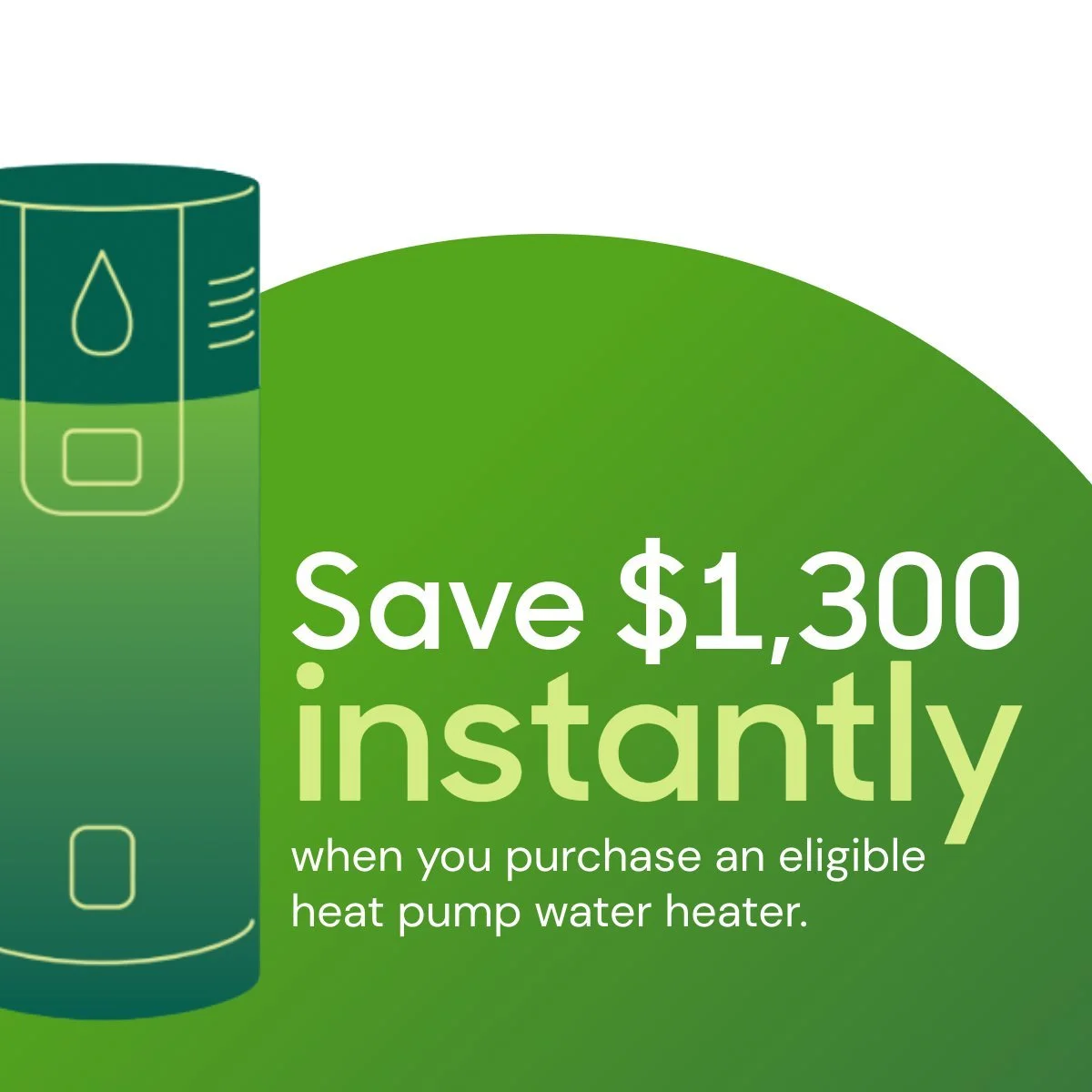
You read that correctly — you can instantly save $1,300 off the sticker price when you purchase an eligible heat pump water heater. This isn’t a rebate you wait months to receive. It’s taken off the top right away, making the upgrade feel a whole lot lighter on the wallet.

But the savings don’t stop there.

Heat pump water heaters also help you save money every single month, because they use far less energy than traditional electric water heaters. The combination of upfront and long-term savings is exactly why so many households are making the switch.

Let’s take a closer look at what makes these systems such a smart investment — and why now is the moment to take advantage of these incentives.

Why Heat Pump Water Heaters Are So Efficient

Traditional electric water heaters work by generating heat, which requires a significant amount of electricity. A heat pump water heater works differently — instead of creating heat, it pulls warmth from the surrounding air and transfers it into the water.

This process uses far less energy, which is why heat pump water heaters are often:

  • 2–3 times more efficient

  • Cheaper to operate long-term

  • Better for high-usage families

  • More environmentally friendly

For homeowners who feel like their power bills are always climbing, especially in small towns like Savannah, Corinth, or Iuka, this efficiency improvement can make a noticeable dent in monthly expenses.

Instant $1,300 Savings: Here’s What That Means for You

The headline offer surprises a lot of people because it’s not a mail-in rebate or a tax credit you wait for. This TVA incentive applies immediately at the time of purchase.

Here's why that matters:

  • You don’t have to wait months to get your money back

  • Your upfront cost drops dramatically

  • The monthly utility savings start right away

  • Your overall return on investment is faster

In other words, you're not just saving eventually — you're saving from day one.

For many homeowners on a budget, the cost of upgrades is the biggest obstacle. But an instant $1,300 discount changes everything. It brings high-efficiency water heating into reach for families who want a smarter, more comfortable home without the large upfront expense.

How Much Can You Save Every Month?

Every home is different, and usage varies. But the Department of Energy estimates that heat pump water heaters can reduce water-heating energy use by 50–70%.

For a typical home, that’s:

  • $150–$300+ per year

  • Thousands saved over the unit’s lifespan

Think of it this way: with the instant rebate cutting your purchase cost and the reduced energy demand lowering your utility bills, the new water heater nearly pays for itself.

This is one of the rare home upgrades that gives you immediate financial relief and long-term value.

Comfort Improvements You’ll Notice Right Away

Saving money is great — but comfort upgrades matter too.

Homeowners switching to heat pump water heaters often say they appreciate:

  • More consistent hot water supply

  • Reduced strain on electrical panels

  • Quieter operation

  • Cooler surrounding air in garages or utility spaces

If your old water heater is slow, noisy, or unreliable, a heat pump model can be a major improvement.

For homes in Counce, Savannah, and Florence, where many water heaters are installed in garages or utility areas, that slight cooling effect during warm months can also be a bonus.

A Smart Upgrade for Rental Units, Lake Homes & Growing Families

We’re seeing this upgrade become extremely popular among:

  • Families needing more efficient hot water

  • Homeowners updating properties before renting or selling

  • Short-term rental hosts (especially around Pickwick)

  • Households lowering long-term utility costs

  • Owners planning multiple home upgrades over time

If you’ve thought about switching to a more efficient system but weren’t sure whether the savings justified the cost, the current TVA incentive makes 2024–2025 the ideal window to take action.

Why Local Homeowners Trust Harbin Heating & Air Conditioning

As a long-standing HVAC service provider for Tennessee, Mississippi, and Alabama, Harbin Heating & Air Conditioning brings decades of experience to every home we serve. We know that homeowners aren’t just looking for a product — they’re looking for reliability, clear guidance, and a contractor they can trust.

Our team helps you:

  • Understand your options

  • Compare efficiency ratings

  • Choose the right size and model

  • Complete a professional installation

  • Protect your investment with ongoing service

Whether you live in Savannah, Corinth, Iuka, Florence, or a nearby community, we’re here to help make your home more efficient, more comfortable, and more affordable to operate.

Final Thought: The Best Time to Upgrade Is When Savings Align

Instant rebates are rare. Monthly savings are even rarer. When you combine the two, upgrading becomes one of the easiest financial decisions a homeowner can make.

If your water heater is aging, inefficient, or costing too much to operate, this is your moment. Between the instant $1,300 discount and long-term energy reductions, the payoff is real — and it starts immediately.

📞 Harbin Heating & Air Conditioning
📍 5910 Hwy 57, Counce, Tennessee 38326
📱 (731) 689-3651

Serving Savannah, TN • Corinth, MS • Iuka, MS • Florence, AL • Counce, TN and surrounding areas.

Learn more → http://tva.me/jufK50XynZK

🔥 HVAC Myths, Busted: What Homeowners in Tennessee & Mississippi Need to Know Before 2025

Every homeowner has heard at least one HVAC myth over the years — usually from a neighbor, a family member, or someone meaning well but repeating outdated advice. Some myths are harmless. Others, however, can cost you real money or lead to missed opportunities for energy savings.

One of the biggest misconceptions we hear from families across Savannah, TN; Corinth, MS; Iuka, MS; Florence, AL; and Counce, TN is this:

“Energy tax credits last forever — I can always claim them later.”

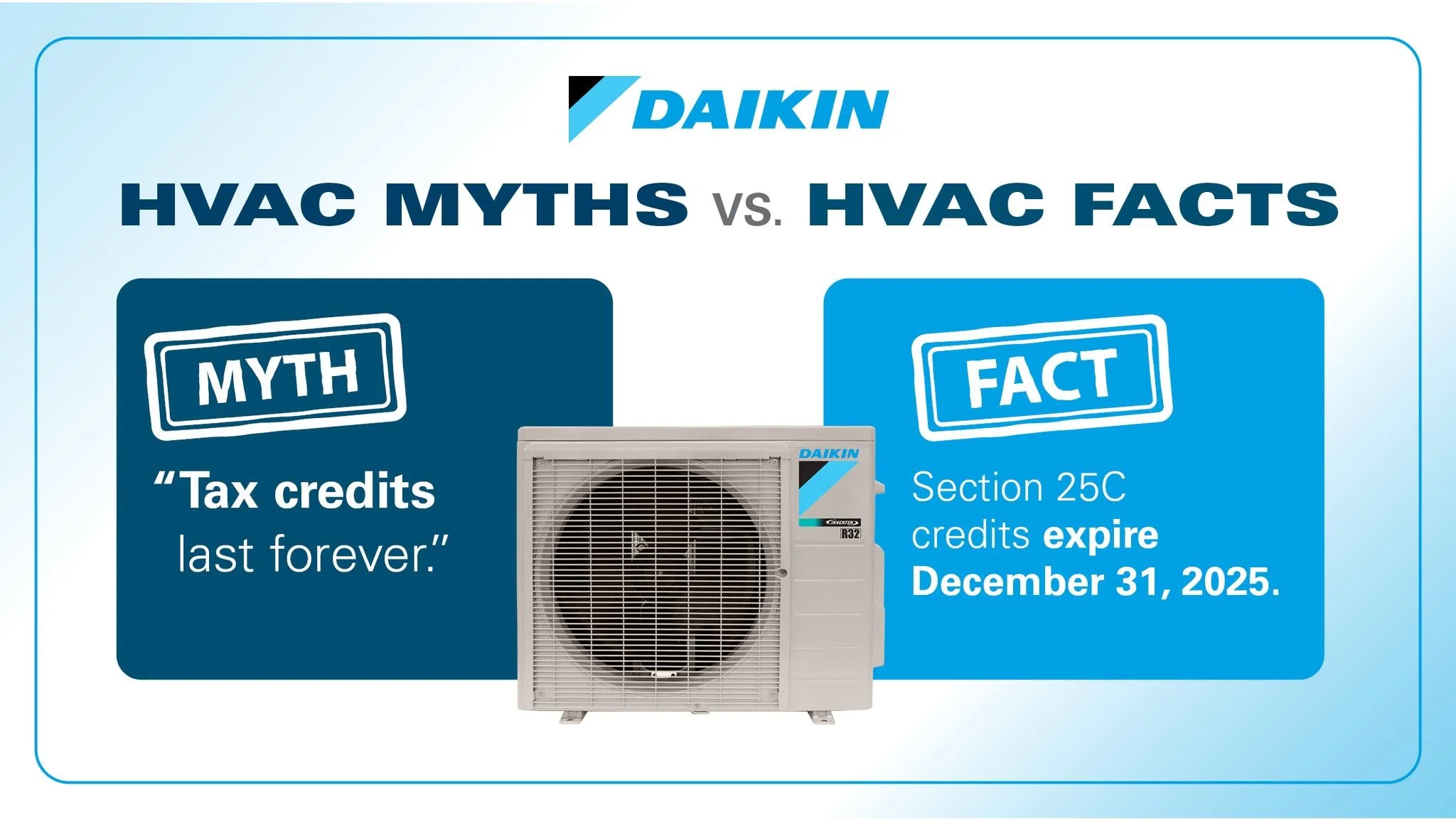
Myth: Tax credits never expire
✔️ Fact: Section 25C tax credits expire December 31, 2025

And that deadline matters.

If you’ve been thinking about upgrading your HVAC system, improving your home’s energy efficiency, or replacing outdated equipment, the 25C credit can make a meaningful dent in the cost. But many homeowners aren’t aware that the program has an expiration date — or that qualifying systems must meet specific efficiency requirements.

With colder temperatures setting in across the Tennessee Valley and utility bills already rising for many households, now is the time to separate HVAC myths from facts so you can make smart, confident decisions for your home.

Let’s break down what homeowners need to know.

MYTH #1: “Tax credits last forever.”

This is the most common misunderstanding we hear. People assume federal efficiency programs stay open indefinitely, or that they’ll be extended automatically.

The truth?
The Energy Efficient Home Improvement Credit (Section 25C) expires on December 31, 2025 unless Congress renews it — and there is no guarantee it will be extended.

That means homeowners in Savannah, Corinth, Iuka, and surrounding areas have a limited window to take advantage of the incentive.

If you wait until 2026, the opportunity could disappear entirely.

MYTH #2: “Only full HVAC replacements qualify.”

Good news — you don’t need to replace your entire system to qualify for potential tax credits.

Depending on your home and needs, upgrades such as:

  • High-efficiency heat pumps

  • Certain AC units

  • Advanced gas furnaces

  • Qualified air sealing or insulation

  • Electrical improvements

…may also qualify.

Each category has specific requirements, and those requirements can differ from one product to another. That’s why homeowners should always review the qualifying list and consult a tax professional.

MYTH #3: “Any new system will qualify for tax credits.”

This is another misconception that can lead to disappointment. Not all HVAC systems qualify — even brand-new ones.

Only systems that meet or exceed the federal efficiency standards for Section 25C are eligible.

That’s why choosing a knowledgeable HVAC contractor matters. At Harbin Heating & Air Conditioning, we walk homeowners through the available Daikin systems, explain which ones meet 25C guidelines, and help you compare options based on long-term comfort, reliability, and energy savings.

MYTH #4: “Energy-efficient systems don’t make much difference.”

If you’ve lived in an older home or used older HVAC equipment for years, it’s easy to assume newer systems don’t provide much benefit.

But modern inverter-driven heat pumps and high-efficiency units are designed to:

  • Reduce energy use

  • Maintain more consistent temperatures

  • Reduce noise

  • Improve winter comfort

  • Eliminate hot and cold spots

  • Lower monthly utility bills

In humid climates across Tennessee and Mississippi, the difference is often noticeable within days.

MYTH #5: “Heat pumps don’t work in cold weather.”

This one refuses to die — but it’s simply not true anymore.

New Daikin heat pump technology, including cold-climate models, is engineered to perform even when outdoor temperatures drop well below freezing. That makes them a strong heating option for homeowners in:

  • Savannah, TN

  • Corinth, MS

  • Iuka, MS

  • Florence, AL

  • Counce, TN

The technology has advanced far beyond what many people remember from decades ago.

MYTH #6: “I should wait until my system breaks before upgrading.”

Waiting may cost you:

  • Higher repair bills

  • Higher energy bills

  • Fewer system options

  • Missed tax credits

  • Emergency installations during peak season

With the 2025 expiration date for tax credits, delaying may also mean paying more out of pocket later for the same upgrade you could complete now with financial incentives in place.

What Homeowners Should Do Before the 2025 Deadline

If your HVAC system is aging, inefficient, constantly cycling, or struggling to keep up, now is the best time to evaluate your options. This window is limited — and once tax credits expire, they’re gone.

A few smart steps:

  1. Schedule a system evaluation
    We’ll assess the age, condition, and efficiency of your current HVAC system.

  2. Learn which systems meet 25C requirements
    We’ll guide you through qualifying Daikin options that can offer long-term energy savings.

  3. Get cost estimates that include potential tax credits
    Homeowners are often surprised by how affordable upgrades can be when incentives are factored in.

  4. Talk with a tax professional
    Only a tax expert can confirm exactly what applies to your household.

Why Harbin Heating & Air Conditioning?

We’ve been serving homeowners across Savannah, Corinth, Iuka, Counce, and Florence for years, providing honest recommendations and high-quality installations that stand the test of time.

Whether you’re considering a heat pump upgrade, exploring inverter technology, or simply trying to understand tax credit options, our team is here to walk you through every step.

📞 Harbin Heating & Air Conditioning
📍 5910 Hwy 57, Counce, Tennessee 38326
📱 (731) 689-3651

Proudly serving Tennessee, Mississippi & Alabama, including:
Savannah, TN • Corinth, MS • Iuka, MS • Florence, AL • Counce, TN

Learn more → https://bit.ly/4hHbJA5