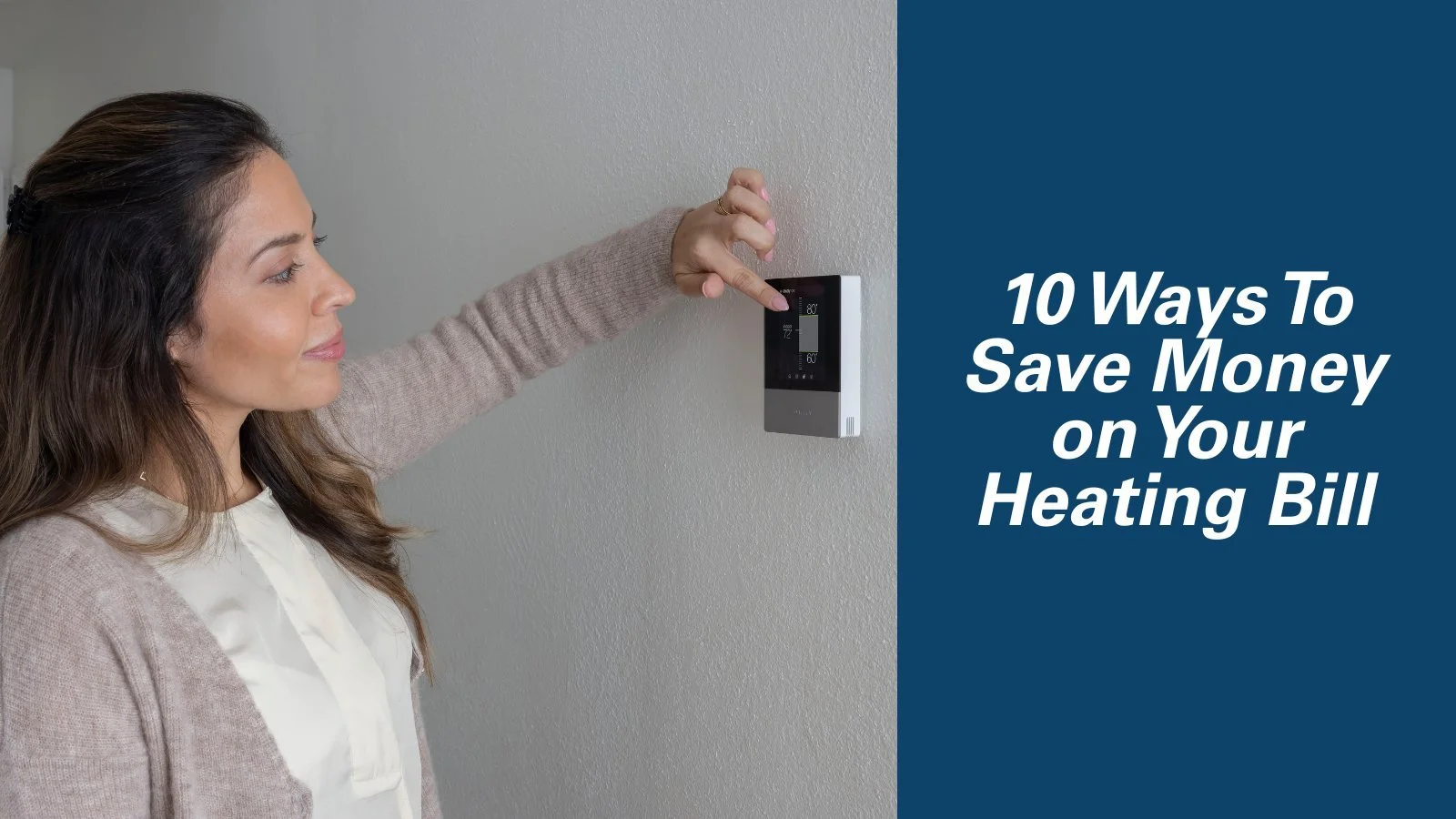
When colder weather sets in, heating costs can quickly become one of the largest expenses on your monthly utility bill. The good news is that there are many effective ways to reduce energy use without sacrificing comfort. From small adjustments to larger home upgrades, these strategies can help keep your home warm while keeping costs under control.
Below are ten proven ways homeowners can lower their heating bills and improve overall energy efficiency.
1. Adjust Your Thermostat Strategically
Lowering your thermostat by just one or two degrees can lead to noticeable savings over the course of a winter. When you’re sleeping or away from home, reducing the temperature even slightly can cut unnecessary energy use.
A programmable or smart thermostat makes this easier by automatically adjusting temperatures based on your schedule.
2. Seal Drafts Around Doors and Windows
Air leaks are one of the most common causes of heat loss. Cold air entering through gaps around doors, windows, and baseboards forces your heating system to work harder.
Weatherstripping, caulking, and draft stoppers are affordable fixes that can make an immediate difference.
3. Upgrade Insulation
Proper insulation helps trap warm air inside during winter and keeps hot air out during summer. If your home lacks adequate insulation—especially in attics or crawl spaces—you could be losing a significant amount of heat.
Adding or upgrading insulation is one of the most effective long-term energy-saving improvements.
4. Maintain Your Heating System
A well-maintained heating system runs more efficiently and uses less energy. Regular HVAC maintenance, including filter changes and professional inspections, ensures your system isn’t working harder than necessary.
Dirty filters alone can restrict airflow and increase energy use.
5. Use Zoning to Heat Only the Spaces You Need
Zoning systems allow you to control temperatures in different areas of your home independently. This prevents wasting energy on rooms that aren’t in use and helps maintain consistent comfort throughout the house.
Zoning can be especially useful for multi-level homes or households with varying comfort needs.
6. Take Advantage of Natural Sunlight
During daylight hours, open curtains and blinds on south-facing windows to let in natural warmth from the sun. At night, closing them helps retain heat and reduce cold drafts.
This simple habit can supplement your heating system at no cost.
7. Upgrade to Energy-Efficient Windows
Older windows can be a major source of heat loss. Replacing them with energy-efficient windows can significantly reduce drafts and improve insulation.
While this is a larger investment, it can lead to long-term savings and improved comfort.
8. Improve Ductwork Efficiency
Leaky or poorly insulated ductwork can lose a substantial amount of heated air before it ever reaches your living spaces. Sealing and insulating ducts helps ensure warm air is delivered efficiently throughout your home.
This improvement can also reduce uneven heating from room to room.
9. Consider Upgrading Your HVAC System
Older heating systems tend to be far less efficient than modern models. Upgrading your heating and AC system can dramatically reduce energy consumption while improving comfort and reliability.
Many newer systems are designed to operate efficiently even in colder climates.
10. Schedule a Home Energy Audit
A professional home energy audit provides a clear picture of how your home uses energy and where improvements can have the biggest impact. Audits evaluate insulation, HVAC performance, air leaks, and more—helping homeowners make informed decisions about upgrades.
Start Saving on Heating Costs Today
Lowering your heating bill doesn’t have to mean sacrificing comfort. By combining simple habits with targeted home improvements, you can create a warmer, more energy-efficient home all winter long.