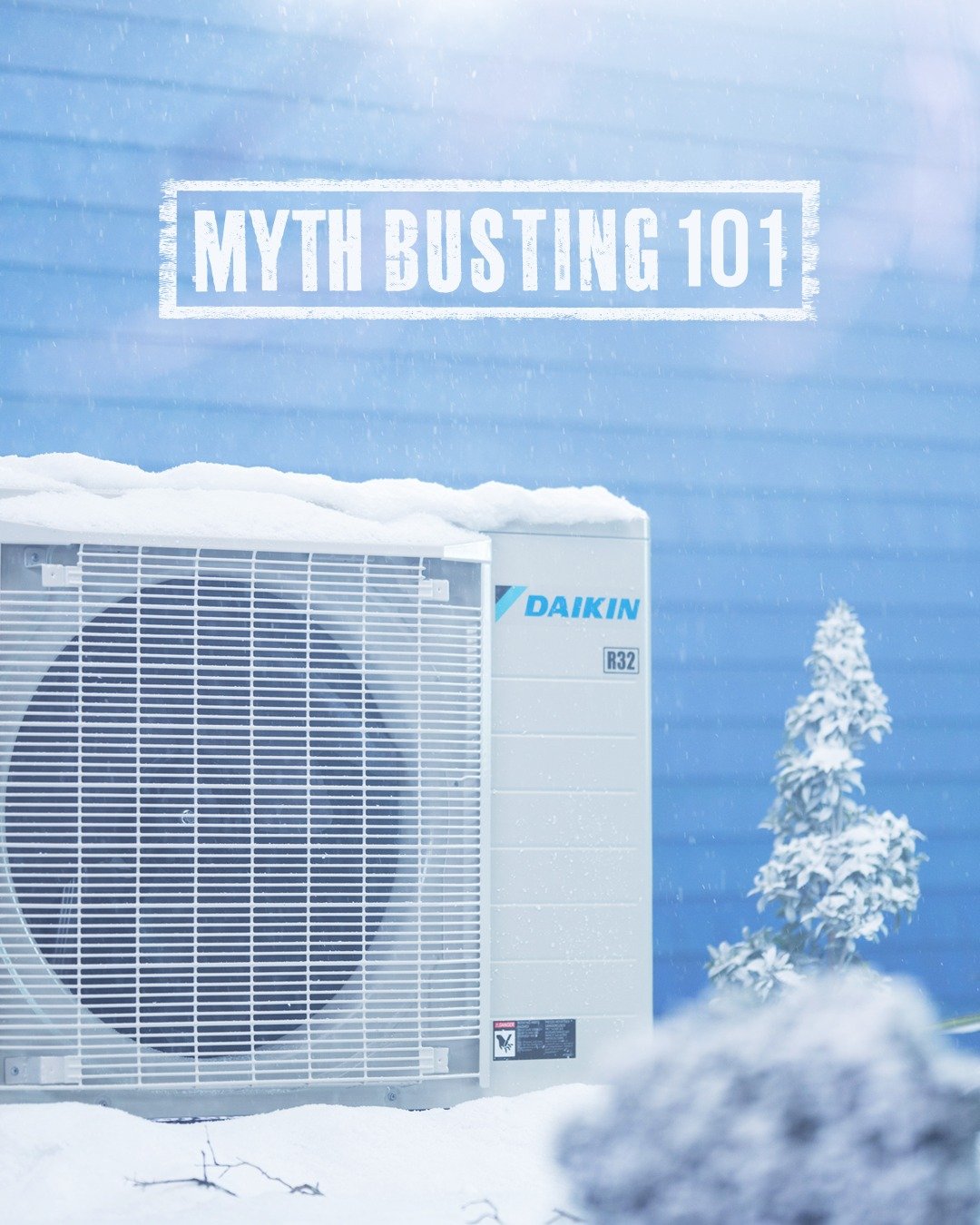
For years, homeowners were told the same thing: heat pumps don’t work when it’s cold. If you live in Alabama—or just across the state line in Savannah, Tennessee, Corinth, Mississippi, or Iuka, Mississippi—you’ve probably heard that advice before. When winter arrived, furnaces, fireplaces, and space heaters were considered the only reliable ways to stay warm.
That belief is now outdated.
Thanks to major advances in cold-climate heat pump technology, modern systems are designed to provide steady, efficient heat even when outdoor temperatures drop well below what older heat pumps could handle. These systems are reshaping how homeowners think about winter comfort—and helping them lower energy costs at the same time.
What Is a Cold-Climate Heat Pump?
A cold-climate heat pump is a high-efficiency heating and cooling system engineered to operate reliably in lower outdoor temperatures. Instead of creating heat through combustion or electric resistance, heat pumps move heat from outside to inside—even when it’s cold.
While that may sound counterintuitive, heat exists in outdoor air year-round. Modern cold-climate heat pumps use advanced compressors and refrigerant technology to extract that heat efficiently and deliver it indoors.
For homeowners in northwest Alabama, Savannah TN, Corinth MS, and Iuka MS—where winters can swing from mild to sharply cold—this technology provides dependable performance without relying heavily on backup heat.
Why the Old Heat Pump Myths Still Exist
Many of today’s misconceptions come from experiences with heat pumps installed decades ago. Older systems ran at one speed: fully on or fully off. When temperatures dropped, they struggled to keep up and often switched to costly electric resistance heat, driving up energy bills.
Those limitations gave heat pumps a bad reputation in colder weather.
Today’s systems are entirely different.
How Cold-Climate Heat Pumps Handle Winter Weather
Modern cold-climate heat pumps use inverter technology, which allows the system to adjust its output continuously based on demand. Instead of cycling on and off, the system runs steadily at the level needed to maintain comfort.
This results in:
More consistent indoor temperatures
Fewer cold spots throughout the home
Quieter operation
Improved energy efficiency
Even during winter cold snaps, these systems maintain performance without the constant need for auxiliary heat—something older heat pumps simply couldn’t do.
Energy Efficiency That Pays Off
One of the biggest advantages of cold-climate heat pumps is efficiency. Because they move heat rather than generate it, they use significantly less energy than traditional heating methods.
Homeowners often notice:
Lower monthly heating bills
Reduced overall energy use
Improved comfort with fewer temperature swings
Long-term savings over the life of the system
In communities like Corinth MS and Iuka MS, where many homes still rely on aging furnaces or baseboard heaters, upgrading to a cold-climate heat pump can be a meaningful step toward better efficiency and comfort.
Year-Round Comfort in One System
Cold-climate heat pumps don’t just handle winter heating—they also provide efficient cooling during hot, humid summers. In Alabama and surrounding areas, that dual capability is a major benefit.
Instead of maintaining separate systems for heating and cooling, homeowners can rely on one high-efficiency solution that adapts to every season.
Are Cold-Climate Heat Pumps a Good Fit for This Region?
Many people assume cold-climate heat pumps are only useful in northern states, but regions like Alabama, southern Tennessee, and northeast Mississippi are actually well-suited for this technology.
They work especially well for:
Homes with fluctuating winter temperatures
Homeowners replacing older HVAC systems
Families looking for quieter, more even heating
Anyone interested in long-term energy savings
When properly sized and professionally installed, cold-climate heat pumps perform exceptionally well in this area.
Installation Matters
As with any HVAC upgrade, proper installation is critical. Factors like insulation, ductwork, home layout, and system sizing all affect performance. A qualified HVAC professional can ensure the system is designed specifically for your home’s needs and local climate.
This attention to detail makes the difference between a system that simply works—and one that truly delivers comfort and efficiency.
A Smarter Way to Heat Your Home
Cold-climate heat pumps are changing the conversation about winter comfort. They’re efficient, reliable, and built for modern homes—even when temperatures drop.
If you’re considering an HVAC upgrade or looking for smarter ways to stay warm without driving up energy costs, cold-climate heat pump technology is worth exploring.
Learn more about cold-climate heat pumps: https://bit.ly/495WPzt