Please ensure Javascript is enabled for purposes of website accessibility

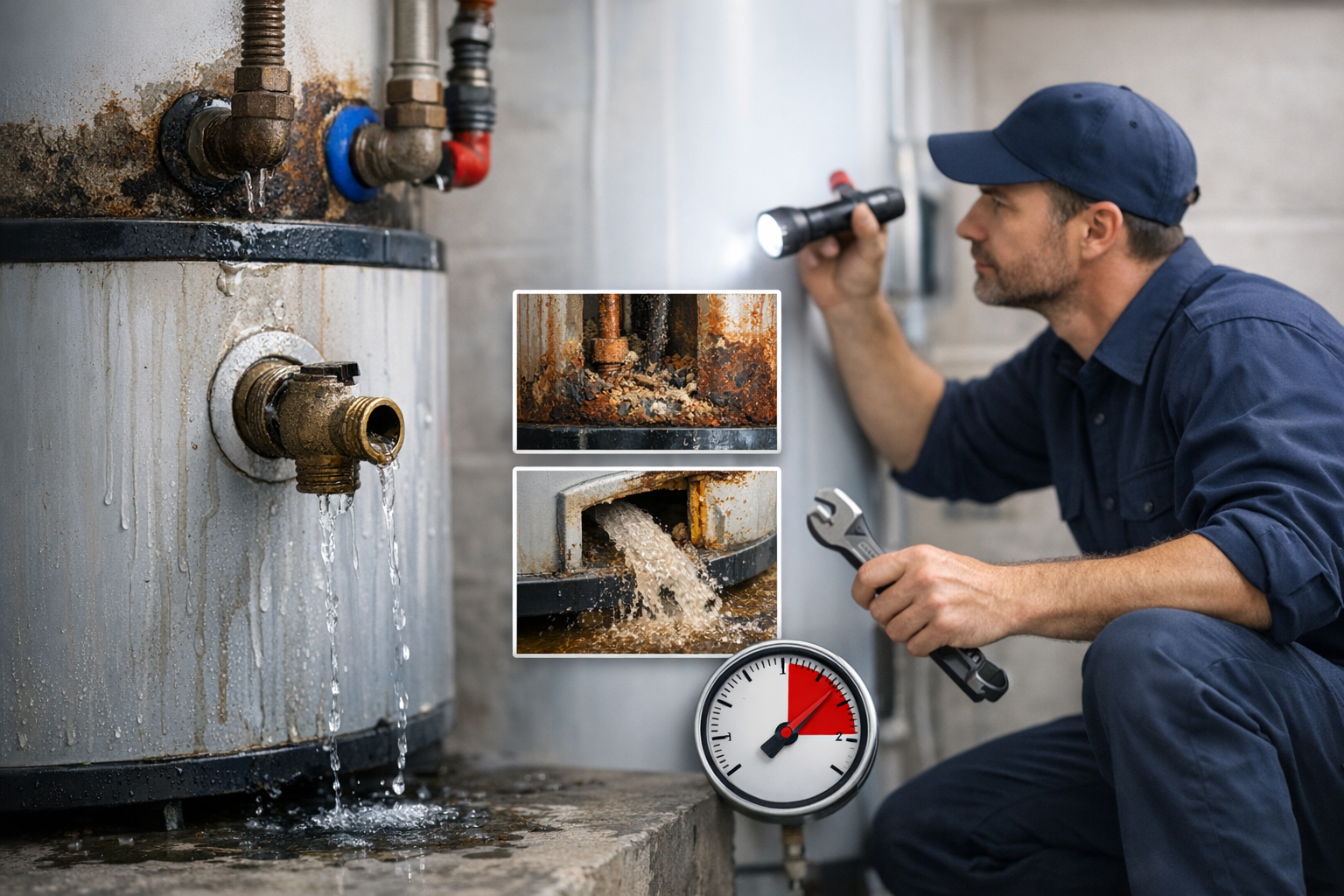
Common Causes of Water Heater Leaks and How to Prevent Them

A leaking water heater is one of those problems that starts small and can turn into a big mess fast. One day you notice a little puddle near the tank. The next day you are dealing with water damage, higher bills, or no hot water at all. If you live in Counce, TN, Pickwick, Savannah, Hardin County, Corinth, MS, or anywhere in North Mississippi, it pays to know what causes these leaks and what you can do before things get worse.

With spring storms, changing temperatures, and more demand on home systems as the seasons shift, water heaters can get pushed harder than people realize. The good news is that many leaks give off warning signs first. If you catch them early, you can often avoid a full replacement and a major headache.

Why water heater leaks happen

Water heaters work hard every day. They heat water, hold it under pressure, and keep it ready when you need it. Over time, that constant use wears parts down. Some leaks are minor and fixable. Others point to a tank that is near the end of its life.

In many homes, the real issue is not the leak itself but what caused it. A loose fitting, excess pressure, corrosion, or sediment buildup can all lead to water around the unit. If you ignore the early signs, a small problem can become a full tank failure.

Loose plumbing connections

One of the most common causes of a water heater leak is a loose connection at the inlet, outlet, or drain valve. These connections can loosen over time from vibration, pressure changes, or routine use.

This type of leak often shows up as moisture or dripping near the top or bottom of the tank. Sometimes the fix is simple. A technician can tighten the connection, replace a worn fitting, or install a new valve if needed.

It is smart to check these areas during seasonal maintenance, especially before summer storm season when power outages and system stress can create more wear on home equipment.

Corrosion inside the tank

Corrosion is one of the biggest reasons water heaters fail. Inside the tank, a metal lining protects the unit from rust. Over time, that protection wears out. Once corrosion starts, leaks often follow.

You may notice rusty water, small flakes in the hot water, or discoloration around the tank base. These are signs the tank may be breaking down from the inside.

If corrosion has reached the tank itself, repair is usually not the answer. In that case, water heater replacement is the safer choice. Waiting too long can lead to a sudden rupture and a much bigger cleanup.

High water pressure

Too much water pressure can put stress on the tank and fittings. This is especially common in older homes or homes where the pressure relief valve is not working properly. When pressure builds too high, the system has to release it somewhere, and that can lead to leaks.

A technician can test your pressure and check the relief valve to make sure the system is working as it should. If pressure is the issue, the fix may involve a pressure reducing valve or another adjustment to protect the water heater and other plumbing in the home.

This is a good example of why a water heater problem is not always just a water heater problem. Sometimes it connects to the whole plumbing system, and sometimes it ties into HVAC or generator planning too, especially if your home needs reliable hot water during outages.

Sediment buildup

Hard water and mineral deposits can settle at the bottom of the tank over time. That sediment creates a barrier between the burner or heating element and the water. The heater has to work harder, which can cause overheating, noise, and damage to the tank.

Homeowners often hear popping or rumbling sounds when sediment has built up. That sound is a warning. It means the tank is struggling.

Flushing the tank on a regular schedule helps prevent this. In many homes around Hardin County and North Mississippi, annual flushing is a smart habit. It can extend the life of the water heater and improve efficiency at the same time.

Failing temperature and pressure relief valve

The temperature and pressure relief valve is a safety part. Its job is to release pressure if the tank gets too hot or too pressurized. If it fails, the water heater may leak from the valve or build pressure in unsafe ways.

If you see water dripping from the relief valve discharge pipe, do not ignore it. That can mean the valve is worn out, the temperature is set too high, or pressure inside the tank is becoming unsafe.

This is not a part to guess at. A trained technician can test the valve and determine whether it needs replacement or whether another issue is causing it to open.

Drain valve problems

The drain valve at the bottom of the tank can develop leaks as it ages. Sometimes it starts as a slow drip. Other times it leaks after a flush or maintenance visit if the valve does not fully close.

If the valve is cracked or corroded, replacement is usually the fix. Leaving a bad drain valve alone can waste water and leave the tank area damp, which can lead to floor damage or mold concerns.

If your water heater sits in a closet, garage, or utility room, even a small drain valve leak can cause a bigger problem than you expect.

Old age

Sometimes the leak is simply the result of age. Most water heaters have a limited lifespan. As the tank gets older, the metal weakens, the seals wear down, and the odds of a leak go up.

If your unit is more than 10 years old and has already had a few repairs, a leak may be a sign that replacement is the better investment. That is especially true if you are also dealing with inconsistent hot water, rust, or rising energy costs.

When that happens, a contractor can help you compare repair and replacement so you can make a practical decision instead of throwing money at a failing unit.

How to prevent water heater leaks

The best way to prevent a leak is to stay ahead of wear and tear. A little maintenance goes a long way. Most water heater leaks do not happen overnight. They build up over time.

  • Have the tank inspected regularly

  • Flush sediment from the tank on a routine schedule

  • Check for rust, damp spots, or corrosion around fittings

  • Make sure the temperature and pressure relief valve is working properly

  • Keep an eye on water pressure in the home

  • Replace aging parts before they fail completely

  • Pay attention to rumbling, banging, or popping sounds

These simple steps can help you avoid a surprise leak and extend the life of your water heater.

When to call for help

If you notice water around the base of the heater, rust on the tank, cloudy hot water, or a relief valve that keeps dripping, it is time to call a professional. Waiting only raises the risk of damage.

You should also call if the unit is making strange noises, not heating properly, or if you smell moisture or see water staining nearby walls or flooring. A quick inspection can tell you whether the issue is a repair, a replacement, or something tied to your plumbing or HVAC system.

For homeowners looking for water heater services near me in Counce, Pickwick, Savannah, or Corinth, MS, a local team can respond faster and help you get the right fix without wasting time.

A real local example

Take a family in Counce near Pickwick who started noticing a small puddle by their water heater after a stretch of wet spring weather. At first, they thought it was just condensation. Then they heard popping noises when the tank ran, and the hot water started turning rusty.

When a technician checked it out, the problem was sediment buildup combined with a failing drain valve. The tank was older, but not beyond saving yet. A flush and valve replacement solved the immediate leak issue, and the homeowner got a clear timeline for replacement planning down the road.

That is a good example of why early action matters. A small leak might only need service. A delayed leak can turn into a flooded closet, damaged flooring, and a rushed replacement during the worst possible time.

How this connects to HVAC and generator planning

Water heater issues often come up alongside other home comfort problems. If your HVAC system is aging too, or if you are thinking about generator installation and maintenance before storm season, it makes sense to look at the bigger picture.

A home that loses power during a storm can lose hot water too, depending on the system. That is why some families in Hardin County, Savannah, and North Mississippi choose to address water heater service, HVAC repair, and backup power planning together. It saves time and helps keep the whole house running smoothly.

If your water heater is old and your HVAC system is also struggling, a combined plan may be more cost effective than handling one emergency at a time.

Actionable takeaways

If you want to stay ahead of water heater leaks, keep these points in mind:

  • Do not ignore small puddles or damp spots

  • Listen for popping or rumbling sounds

  • Watch for rust, corrosion, or rusty water

  • Schedule maintenance before problems get bigger

  • Replace aging valves and worn parts early

  • Call a professional if the tank itself is leaking

A little attention now can save you a lot of stress later. Whether you need water heater repair, water heater replacement, HVAC repair, HVAC replacement, or generator installation and maintenance, the right service call can protect your home and keep your family comfortable.

Bottom Line

Water heater leaks usually have a cause, and that cause is often something you can catch early. Loose fittings, corrosion, sediment, pressure issues, and failing valves are all common, but they are not something to ignore. If you live in Counce, Pickwick, Savannah, Hardin County, Corinth, MS, or North Mississippi, regular maintenance is one of the easiest ways to avoid a messy surprise.

When something looks off, trust your instincts and get it checked. A fast repair now can keep a small issue from becoming a major replacement later.

Harbin Heating & Air Conditioning
5910 Hwy 57
Counce, Tennessee 38326

731-689-3651

Serving Counce, Pickwick, Savannah, Hardin County, Corinth, MS, and North Mississippi

How to Choose the Right Generator Size for Your Home

When the power goes out, the first thing most people think about is comfort. Will the lights stay on? Will the refrigerator keep running? What about the air conditioner, the water heater, or the sump pump if you have one?

Choosing the right generator size comes down to more than just keeping a few things plugged in. It is about making sure your home stays safe, comfortable, and livable during an outage. If you live in Counce, TN, Pickwick, Savannah, Hardin County, Corinth, MS, or anywhere in North Mississippi, that matters a lot during spring storms, summer heat, and the kind of weather that can knock out power without warning.

If you are thinking about generator installation or generator maintenance, here is how to figure out what size really fits your home.

Start with what you actually want to power

The right generator size depends on what you want running during an outage. Some homeowners only want the basics. Others want the whole house protected.

That difference matters a lot.

A smaller portable generator may handle a refrigerator, a few lights, and maybe a fan. A larger standby generator can power your HVAC system, kitchen appliances, water heater, and more. If you want your home to function normally during a long outage, you will need to size up.

Make a simple list of the things that matter most to your family. Start with the essentials.

  • Refrigerator and freezer

  • Heating and cooling system

  • Lights in main rooms

  • Internet or phone charging

  • Well pump if you use one

  • Water heater

  • Medical equipment

Once you know your priorities, it becomes much easier to choose between a smaller backup option and a full home standby system.

Know the difference between starting power and running power

This is where a lot of homeowners get stuck. Every appliance has two power needs. One is the amount it uses while running. The other is the larger burst it needs to start up.

That startup surge is especially important for HVAC equipment. Your air conditioner, heat pump, or furnace blower may need a much higher amount of power for a few seconds before settling into normal use. If the generator is too small, it may run some things but fail when your HVAC system kicks on.

That is why generator sizing is not guesswork. A unit that looks large enough on paper may still not handle the load in real life.

Think about your HVAC system first

For many homes, the biggest power need is heating and cooling. In the middle of summer near Pickwick or Savannah, losing AC is more than an inconvenience. It can make the home uncomfortable fast, especially for kids, older adults, or anyone sensitive to heat.

In winter, the same thing applies to heating. A good generator should keep your furnace, heat pump, or mini split operating if you want real protection during an outage.

If your HVAC system is older, that matters too. Older equipment may draw more power or have a harder startup load than newer systems. If you have been putting off HVAC repair or considering HVAC replacement, that may affect the generator size you need.

In some cases, it makes more sense to upgrade the HVAC system and choose the generator at the same time. That way, everything works together instead of forcing a smaller generator to carry more than it should.

Decide whether you want partial or whole home backup

There are really two main paths.

Partial backup means covering only the most important items. This is usually the better fit if you want a lower cost option and only need the basics during short outages.

Whole home backup means powering most or all of the house the way you normally would. That option costs more, but it gives you much more peace of mind during longer outages or storm season.

For many families in Hardin County and North Mississippi, the decision depends on how often the power goes out and how long those outages usually last. If outages are short and rare, a smaller generator may be enough. If you lose power often or want to keep the AC running through a summer storm, a larger standby unit may be the smarter investment.

Do not forget the water heater and other high demand items

A generator is not just about lights. A lot of homeowners are surprised by how much power the water heater, well pump, or kitchen appliances can use.

If you want to keep hot water available, that adds to the total load. If you have an electric water heater, it may push you into a larger generator size than expected. The same is true if your home depends on a well pump. No pump means no water, so that is a big one to factor in.

This is also where generator maintenance matters. Even the right sized generator will not help much if it has not been serviced properly. Like your HVAC system, a generator needs routine attention so it is ready when you need it.

Portable generator or standby generator

Once you know your power needs, the next choice is the type of generator.

Portable generators are usually less expensive up front. They can be useful for short outages or for powering a limited number of items. The tradeoff is that they usually require manual setup, refueling, and more hands-on attention.

Standby generators are permanently installed and turn on automatically when the power goes out. They are a better fit if you want convenience, stronger power output, and a system that can support your home without constant manual work.

If you are trying to decide which one is right for you near me, think about your comfort level, how often outages happen, and whether you want backup that is ready instantly. Many homeowners who already rely on their HVAC system heavily choose a standby generator because they want reliable whole home support, not just emergency power.

A real local example

Consider a family in Counce, TN, not far from Pickwick, who has a heat pump, an electric water heater, and a refrigerator they want to keep running during storm season. They also have a child with asthma, so indoor comfort matters a lot.

At first, they think a smaller generator will do the job. But once they add up the startup load for the heat pump, the running load for the refrigerator, and the extra demand from the water heater, they realize that small unit will not be enough.

After a visit from a local technician, they find out the best solution is a larger standby generator that can handle the HVAC system and the major appliances they care about most. At the same time, they decide to have their HVAC system checked so they know the equipment is in good shape before storm season gets worse.

That is a good example of why sizing is not just about a number. It is about how your family actually lives.

Why professional sizing is worth it

You can estimate your generator needs on your own, but getting it right usually takes a professional look at the home.

A licensed technician can review your appliances, HVAC system, and electrical setup to help you avoid two common mistakes. The first is buying a generator that is too small. The second is buying one that is far larger than you need.

Too small means frustration, overloads, and equipment that cannot keep up. Too large means unnecessary cost, more fuel use, and a bigger system than your home really requires.

That is why many homeowners call for help when they are also looking into HVAC replacement, generator installation, or water heater services. If several systems are aging at once, it makes sense to plan them together instead of solving each problem separately.

What to expect during a generator consultation

If you schedule an estimate, the technician will usually start by asking what you want to keep running during an outage. From there, they will look at your home’s electrical load, your HVAC system, and any other major appliances that matter.

You should expect honest questions about your budget, your comfort goals, and how much of the home you want protected. A good company will not push you into the biggest system available. They will help you choose the right one for your home and your priorities.

You may also get recommendations about transfer switches, fuel source options, and routine maintenance. Those details matter because a generator is only useful if it starts when the power fails.

Actionable takeaways

If you are trying to choose the right generator size, here is the simple version.

  • List the appliances and systems you want to power

  • Include HVAC, water heater, refrigerator, and well pump if needed

  • Think about startup power, not just running power

  • Decide whether you want partial backup or whole home backup

  • Factor in storm season, summer heat, and winter outages

  • Have your HVAC system checked if it is older or struggling

  • Ask about generator maintenance so your system stays ready

If your home comfort depends on reliable heating and cooling, the generator should be sized with that in mind. That is especially true in areas like Hardin County and North Mississippi, where weather can turn quickly and power outages can happen at the worst time.

Bottom Line

The right generator size depends on your home, your appliances, and how much comfort you want during an outage. For some families, that means covering the basics. For others, it means keeping the whole house running, including the HVAC system and water heater.

If you are unsure what size you need, that is the right time to call. A professional can help you compare options, look at your current HVAC system, and make sure you are not underestimating your power needs. That kind of planning can save you a lot of stress when the next outage hits.

Harbin Heating & Air Conditioning
5910 Hwy 57
Counce, Tennessee 38326

731-689-3651

Serving Counce, Pickwick, Savannah, Hardin County, Corinth, MS, and North Mississippi
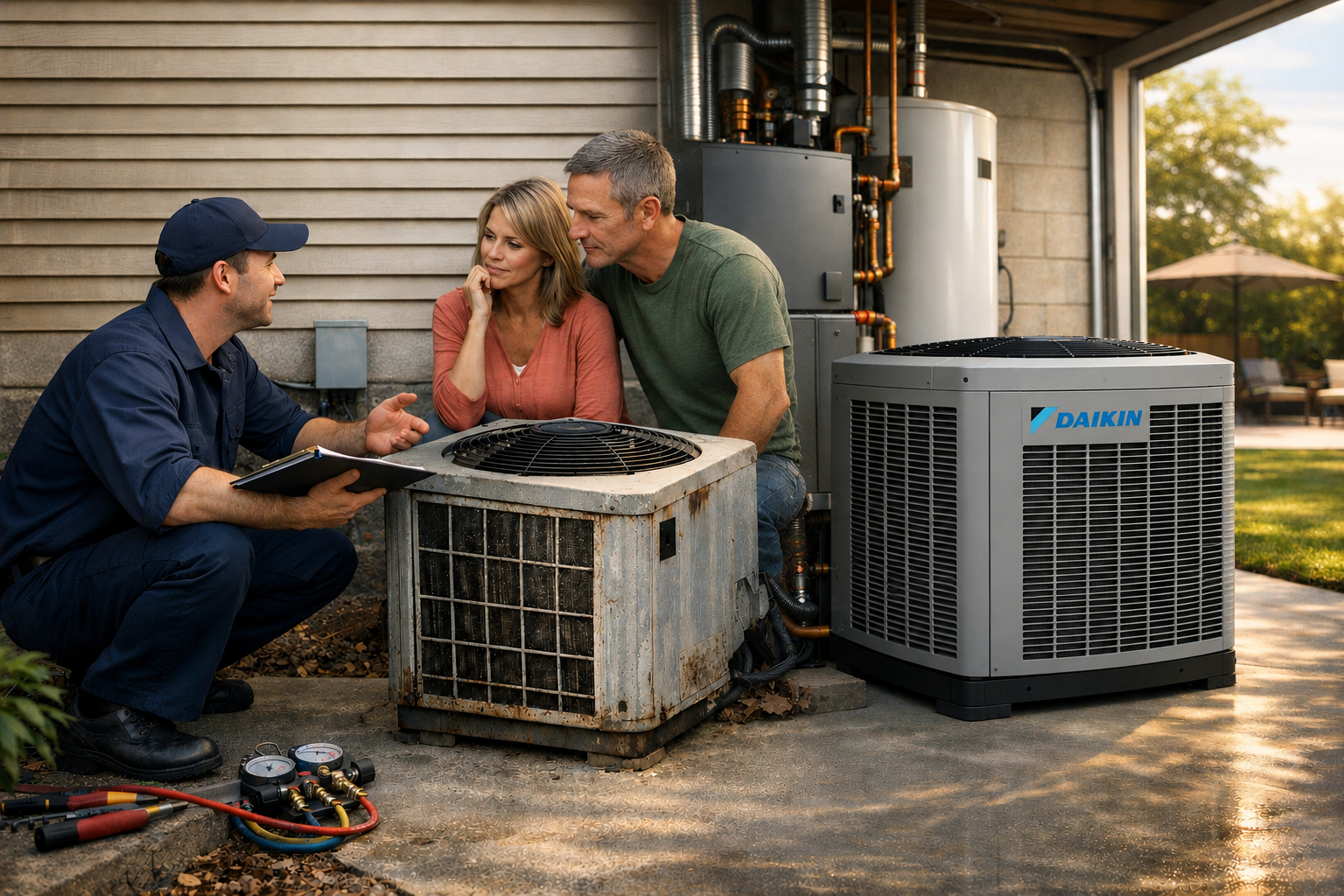
When It Makes Sense to Replace Your HVAC System Instead of Repairing It

If your air conditioner or heat pump is acting up, the first question is usually simple: repair it or replace it? For a lot of homeowners in Counce, TN, Pickwick, Savannah, Hardin County, Corinth, MS, and across North Mississippi, that decision comes down to comfort, cost, and timing. A small repair can buy you time. But there are moments when putting more money into an old system just does not make sense.

That is especially true heading into spring and the hotter stretch of the year. Once the weather warms up and your system is under daily pressure, small problems tend to turn into bigger ones fast. If your HVAC unit is struggling now, it is worth taking a closer look before summer really settles in.

When a Repair Still Makes Sense

Not every HVAC problem is a sign that the system is on its last leg. Some issues are minor and worth fixing. A bad capacitor, a clogged drain line, a worn contactor, or a dirty coil can often be repaired without much trouble. If your system is otherwise in decent shape, a repair can be the smart move.

Repair usually makes sense when the system is still fairly young, the problem is isolated, and the cost is reasonable compared to the value of the equipment. If the unit has been reliable overall and this is the first major issue, a repair may give you several more good years.

A good rule of thumb is this: if the repair is straightforward and the system has plenty of life left, fix it. If the unit is older, inefficient, and already needing repeated service, it is time to think bigger.

Signs It May Be Time to Replace Instead

There are certain warning signs that usually point toward replacement rather than another repair. One repair here and there is normal. Repeated breakdowns are not. If you keep calling for service every season, your system is likely telling you something.

Here are some of the biggest signs replacement may be the better choice:

  • Your system is 12 to 15 years old or older

  • Repair bills are starting to add up

  • Your energy bills keep climbing for no clear reason

  • Some rooms are too hot while others stay cold

  • The system runs constantly but never seems to keep up

  • You hear loud grinding, banging, or rattling sounds

  • The system uses outdated refrigerant or parts that are becoming harder to find

  • You have had several breakdowns in the last couple of years

When one or two of these show up, a repair might still be enough. When several show up together, replacement often becomes the more practical option.

The Cost Question Every Homeowner Asks

Cost is usually the biggest factor. Nobody wants to replace an HVAC system unless they have to. But sometimes a repair is only the cheaper option in the short term. If the system is old and the repair is only going to get you through another season or two, that quick fix may not save you much in the long run.

Think about it like this. If you spend money repairing an aging system and then face another breakdown a few months later, you are now paying twice. Add in higher utility bills from poor efficiency, and the numbers can start to favor replacement faster than you might expect.

This is especially true for families in areas like Savannah or Corinth, MS, where HVAC systems have to work hard through long stretches of heat and humidity. A newer system may cost more up front, but it can lower monthly bills and reduce stress during peak season.

How Age Changes the Decision

Age matters more than many people realize. Even if an older HVAC system can still be repaired, that does not always mean it should be. Once a unit gets into the 12 to 15 year range, parts wear out more often. Efficiency drops. Performance becomes less reliable. And sometimes the exact part you need is no longer easy to get.

If your system is older and needs a major repair, ask yourself how much longer you really expect it to last. A compressor replacement on an aging unit may be expensive enough that putting that money toward a new system makes more sense. The same goes for a blower motor, coil replacement, or major refrigerant issue.

In many cases, the right question is not whether the unit can be fixed. It is whether you want to keep investing in a system that is nearing the end of its useful life.

Comfort Problems Can Point to Bigger Issues

Sometimes the issue is not a complete breakdown. The unit still runs, but the house never feels right. Maybe one bedroom stays warm, the thermostat seems off, or the air feels sticky all summer. These are signs your system may be struggling to do the job it was designed to do.

In Hardin County and around Pickwick, humidity can make a weak HVAC system feel even worse. If your unit is running constantly but still leaving the house uncomfortable, replacement may be the better solution. A properly sized new system can improve airflow, control humidity better, and make every room more usable.

That matters if you have family staying over, kids in different rooms, or a home office that needs steady comfort.

Energy Efficiency Adds Up Over Time

Older HVAC systems usually cost more to run. They may still heat and cool, but they often do it with far less efficiency than newer equipment. If your utility bills have been creeping up, your system may be working harder than it should.

Replacement can make a noticeable difference, especially if your current unit has a lot of wear and tear. A more efficient system can use less power, run more evenly, and help reduce monthly expenses. Over the course of a year, those savings can add up.

For homeowners in Counce, TN or North Mississippi who are already balancing summer cooling costs and winter heating needs, efficiency is not just a nice bonus. It is part of the long-term value of the home.

What Happens During an Honest HVAC Evaluation

A good HVAC contractor will not push replacement just because a system is old. The right approach is to inspect the unit, check the repair history, and explain the options clearly. You should know what is wrong, what it costs to fix, and what replacement would solve.

When you schedule HVAC repair or replacement service near me, expect the technician to look at more than one part. They should check performance, airflow, electrical components, safety controls, and overall condition. That full picture matters. A system that looks like a simple repair on the surface may have deeper issues underneath.

If a technician gives you a repair estimate, ask how long the fix is likely to last. Ask what other parts are showing wear. Ask whether replacement would be a better value based on the age and condition of the system. A straight answer now can save you from guessing later.

A Real Local Example

Take a family in Savannah, not far from Pickwick, who calls because their air conditioner is blowing warm air in late spring. The system is 14 years old. They have already replaced the capacitor and had a refrigerant issue fixed last year. Now the compressor is failing, and the repair estimate is high.

At that point, the conversation changes. Yes, the system could be repaired. But with another major component failing on an older unit, the homeowner is likely to face more trouble soon. If they plan to stay in the house, replacement may be the smarter investment. It would give them better comfort, lower the risk of another breakdown during summer, and reduce monthly energy use.

That same situation comes up often in Hardin County, especially when a system has been pushed hard through storm season and then asked to keep up once the heat arrives. For a household trying to stay comfortable without constant service calls, replacement can bring real peace of mind.

Where Generators and Water Heaters Fit In

Sometimes HVAC replacement is part of a bigger home comfort plan. If you are already dealing with aging equipment, it may also be a good time to think about generator installation and maintenance or water heater services.

A generator can help keep the home running during outages, which is a big deal during storm season in this part of Tennessee and North Mississippi. If your HVAC system is replaced and you want dependable backup power, a generator can protect that investment.

And if your water heater is also getting older, it may make sense to address that at the same time. Nobody wants to replace one major system only to have another fail a few months later. Coordinating repairs or replacement can reduce disruption and help you plan your budget more effectively.

Actionable Takeaways

If you are trying to decide between repair and replacement, start with the basics.

  • Check the age of the system

  • Look at how often it has needed repairs

  • Compare the repair cost to the value of the unit

  • Pay attention to rising energy bills

  • Notice whether comfort has been getting worse

  • Ask whether parts are still easy to find

  • Get an honest estimate before making a decision

If the system is young and the problem is small, repair is usually the right call. If the system is old, unreliable, and expensive to keep running, replacement often makes better financial sense.

Do not wait until the hottest week of summer to make the decision. That is when demand is highest, schedules are tight, and comfort problems become urgent. A little planning now can save you a lot of stress later.

Bottom Line

There is no one-size-fits-all answer, but the decision usually comes down to age, repair history, cost, and comfort. If your HVAC system in Counce, Pickwick, Savannah, Hardin County, Corinth, MS, or anywhere in North Mississippi is still in good shape, a repair may be all you need. If it is older, unreliable, and costing more every year, replacement may be the better move.

The key is getting honest guidance from a team that knows the local climate and understands what your home actually needs. Whether you need HVAC repair, HVAC replacement, generator installation and maintenance, or water heater services, the goal is the same: dependable comfort without wasting money on the wrong fix.

Harbin Heating & Air Conditioning
5910 Hwy 57
Counce, Tennessee 38326

731-689-3651

Serving Counce, Pickwick, Savannah, Hardin County, Corinth, MS, and North Mississippi
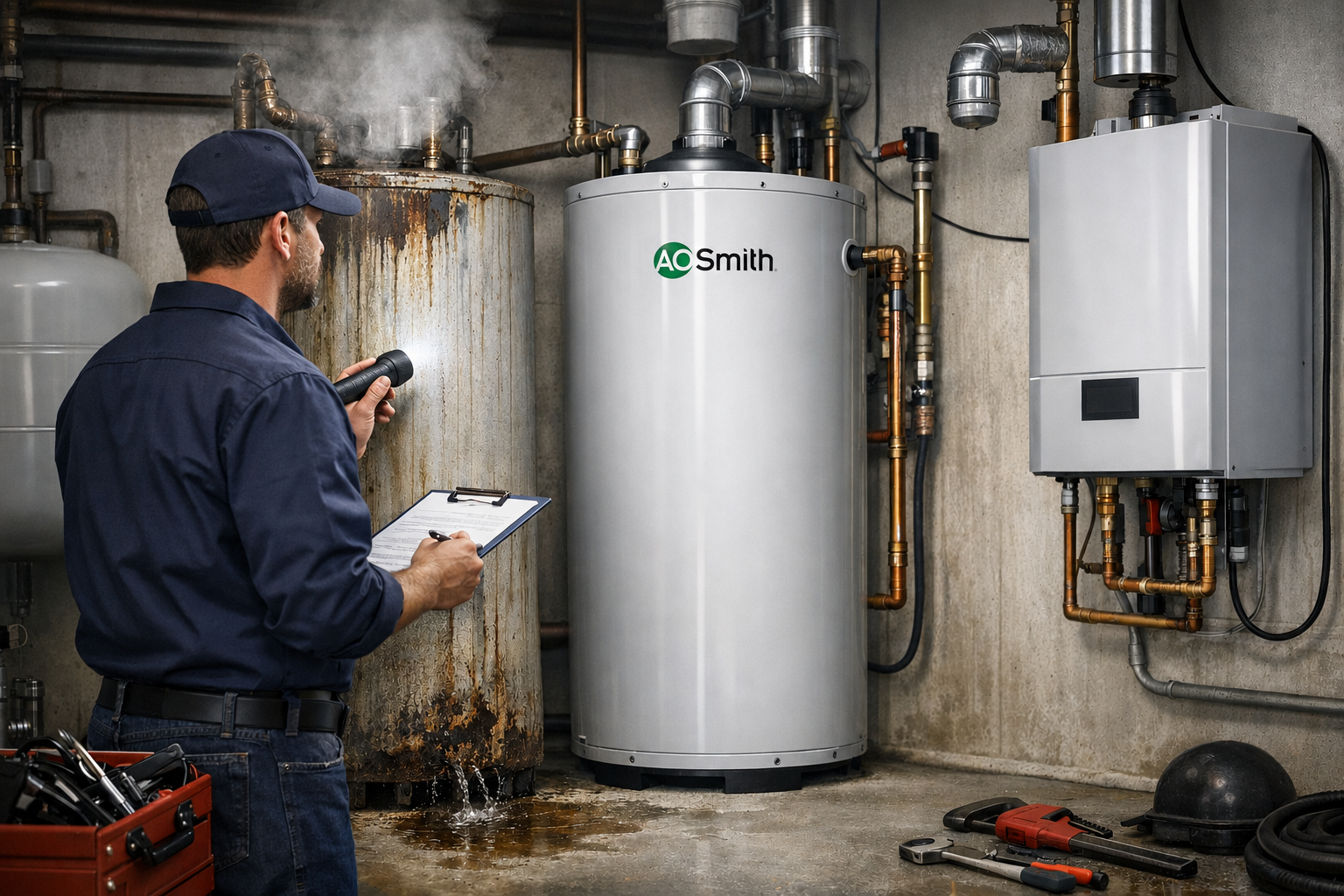
When to Repair or Replace Your Water Heater

A water heater usually does its job quietly in the background until the day it does not. Then all at once you are dealing with cold showers, rusty water, strange noises, or a leak in the utility room. If you live in Counce, TN, Pickwick, Savannah, Hardin County, Corinth, MS, or anywhere in North Mississippi, knowing when to repair or replace your water heater can save you time, money, and a lot of frustration.

The good news is that most water heater problems give you warning signs before the unit quits completely. The trick is knowing which problems can be fixed and which ones usually mean it is time for a replacement. As spring turns into storm season and temperatures start bouncing around, this is a smart time to check on your system before you get caught without hot water when you need it most.

Start with the age of the water heater

Age matters more than a lot of homeowners realize. A standard tank water heater often lasts around 8 to 12 years. Some last longer with good maintenance, and some fail earlier if they have hard water, heavy use, or poor installation.

If your water heater is still fairly new and the problem is minor, repair usually makes sense. If it is pushing past 10 years and starting to show several warning signs at once, replacement may be the smarter move.

Take a look at the sticker on the tank or the service records if you have them. If you are not sure how old it is, a technician can usually tell you pretty quickly. That age estimate is one of the first things to consider when deciding between repair and replacement.

Common signs a repair may be enough

Not every water heater problem means the unit is on its last legs. In many cases, a simple repair can restore performance and buy you more time.

  • No hot water because of a bad heating element or thermostat

  • Small pilot light or ignition issues on a gas unit

  • Low hot water output caused by sediment buildup

  • Rumbling or popping sounds that improve after flushing

  • Minor valve issues or a loose fitting

  • Discolored water that clears after maintenance

If the tank itself is still in good shape and the repair is straightforward, that is usually the most cost effective route. This is especially true if the water heater is younger and the rest of your plumbing system is in decent condition.

In many homes near Pickwick or Savannah, a water heater may just need a tune up after years of normal use. A good repair can extend its life and help it run more efficiently.

Signs it may be time to replace it

Some problems keep coming back no matter how many times they get fixed. That is when replacement starts to make more sense.

  • The tank is leaking

  • Rust is showing on the outside of the tank or in your hot water

  • The unit is older than 10 years and losing efficiency

  • You are running out of hot water much faster than before

  • Repairs are becoming frequent and expensive

  • The heater struggles to recover after normal use

  • You smell gas or notice signs of corrosion around the unit

A leaking tank is usually the biggest red flag. Once the tank itself starts to fail, a repair is rarely the right answer. The same goes for advanced rust and corrosion. Those are signs the heater is wearing out from the inside, and a new part will not solve that.

Many homeowners in Hardin County are surprised by how much money they spend trying to stretch an old unit for one more season. If the repair cost starts creeping too close to the price of a new water heater, replacement is usually the better long term choice.

Think about the cost the right way

It is tempting to choose the cheapest option in the moment. That makes sense if the problem is simple. But if you are looking at repeated repairs, you need to think beyond this week’s bill.

Here is a good rule of thumb. If the repair is small and the unit is in the middle of its expected life, repairing it is usually reasonable. If the repair is large, the heater is older, and the system has already had a few issues, replacement often saves money over time.

Also consider efficiency. Older water heaters often use more energy to do the same job. That can show up on your utility bills month after month. A newer unit may cost more upfront, but it can help lower operating costs and reduce the chance of surprise failures.

For homeowners looking for water heater services near me, it is worth getting a professional opinion before deciding. A trained technician can tell you whether the issue is isolated or part of a bigger pattern of wear.

When repairs make sense for tankless units

If you have a tankless water heater, the decision can look a little different. These systems often last longer than standard tanks, but they still need routine maintenance. Scale buildup, ignition issues, sensor problems, and venting concerns can all affect performance.

Tankless systems are often worth repairing if the unit is still relatively young and the issue is specific. But if the system has recurring failures or has been neglected for years, replacement may be the better investment.

Because these units are more advanced, it is especially important to call a qualified technician who works with both HVAC and water heater equipment. That kind of experience matters when you want the job done right the first time.

Why spring is a good time to check your water heater

Spring is a practical time to look at your water heater before summer schedules get busy and storm season starts rolling through the area. In places like Counce, Pickwick, and Corinth, MS, heavy rain and power interruptions can expose weak points in older systems.

If your water heater is already showing signs of trouble, spring maintenance gives you time to plan instead of reacting to an emergency. You are in a much better position to schedule a repair, compare replacement options, or coordinate other home services like HVAC repair, HVAC replacement, or generator installation and maintenance if your household needs more support during storm season.

That kind of planning can make a big difference when several systems are aging at the same time.

What a professional inspection can tell you

Sometimes the answer is not obvious until someone looks at the whole system. A professional inspection can reveal whether the problem is with the tank, the heating source, the thermostat, the venting, or the plumbing connections.

A technician can also check for safety concerns that homeowners might miss. That includes pressure relief valve problems, gas leaks, venting issues, electrical concerns, and corrosion around fittings. In some cases, what seems like a water heater issue may actually be a related plumbing or HVAC problem.

That is one reason homeowners in North Mississippi often prefer working with a company that handles more than one trade. When your system issues overlap, it helps to have a team that understands the bigger picture.

A real local example

Consider a family in Savannah, TN, not far from Pickwick, with a 12 year old water heater in the garage. Over the past year, they noticed hot water running out faster, a little rust in the water, and a few popping noises after heavy use. Then one morning, they found moisture around the base of the tank.

At first, they hoped it would just need a simple repair. After an inspection, it turned out the tank was corroding from the inside and the sediment buildup had already reduced its efficiency. The repair estimate was not far from the cost of replacement, and the technician explained that another failure was likely soon anyway.

They chose to replace it before it leaked completely. That gave them reliable hot water, fewer worries, and better efficiency going into the warmer months. It also kept them from dealing with an emergency call when their schedule was already full.

That kind of situation is common across Hardin County and Corinth, MS. A water heater can hang on for a while, but once the warning signs start stacking up, waiting too long often costs more in the end.

How to make the right call

If you are unsure whether to repair or replace, focus on these questions:

  • How old is the water heater?

  • Has it had several repairs already?

  • Is the problem small and isolated, or part of a bigger failure?

  • Is the tank leaking or showing rust?

  • Would another repair really give you meaningful extra life?

  • Are you spending more on energy and repair bills than you should?

If you answer yes to several of those questions, replacement is probably the smarter move. If the unit is younger and the issue is limited, repair is often the better choice.

A good technician will help you weigh both options honestly. You should not feel pushed into a replacement if a repair is the right answer. At the same time, you should not keep sinking money into a water heater that is clearly nearing the end.

Bottom Line

Repairing or replacing your water heater comes down to age, condition, and cost. Small problems on a newer unit usually call for repair. An older heater with rust, leaks, and repeated breakdowns usually needs replacement.

If you live in Counce, Pickwick, Savannah, Hardin County, Corinth, MS, or nearby North Mississippi, the best move is to have your water heater checked before a small issue turns into a no hot water emergency. The same team that handles HVAC repair, HVAC replacement, and generator installation and maintenance can help you make a practical decision for your home.

When in doubt, get it looked at now instead of waiting for a complete failure later.

Harbin Heating & Air Conditioning
5910 Hwy 57
Counce, Tennessee 38326

731-689-3651

Serving Counce, Pickwick, Savannah, Hardin County, Corinth, MS, and North Mississippi

Don’t Leave Money on the Table: How to Take Advantage of Energy Rebates in Counce and Surrounding Areas

As we move through spring in Counce, Pickwick, Savannah, and Hardin County, a lot of homeowners are starting to think about upgrades—especially with summer right around the corner.

New HVAC systems. Better insulation. Maybe even a heat pump.

But here’s the part most people overlook.

There’s money available to help pay for those upgrades.

And a lot of it.

Yes, There’s Real Money Available

Many homeowners across Corinth and North Mississippi don’t realize they may qualify for over $1,500 in energy efficiency rebates.

That’s not a small discount—it’s a meaningful way to offset the cost of improving your home.

These rebates are designed to encourage upgrades that:

  • Reduce energy waste

  • Improve home comfort

  • Lower monthly utility bills

What Types of Upgrades Qualify

Rebates typically apply to improvements that make your home more efficient, including:

  • High-efficiency HVAC systems

  • Heat pumps

  • Insulation upgrades

  • Air sealing improvements

These aren’t cosmetic upgrades—they’re improvements that impact how your home performs every day.

Why This Matters Right Now

Spring is the ideal time to take advantage of these rebates.

Before the heat hits.

Before your system is running nonstop.

Before you’re forced into a quick decision during a breakdown.

Planning ahead gives you options—and lets you maximize available savings.

How Rebates Change the Decision

Let’s be honest—cost is one of the biggest factors when considering upgrades.

But when rebates are applied, the conversation shifts.

What felt like a large upfront investment becomes much more manageable.

And when you factor in long-term energy savings, the numbers start to make even more sense.

A Real Example Close to Home

A homeowner in Savannah was considering replacing an older HVAC system but kept putting it off because of the cost.

After learning about available rebates, the numbers changed.

With incentives applied, they were able to upgrade to a more efficient system that not only improved comfort but also reduced their monthly energy bills.

That’s the kind of opportunity many homeowners don’t realize is available.

Common Mistake: Waiting Too Long

One of the biggest mistakes we see is homeowners waiting until their system fails.

At that point:

  • You’re making a fast decision

  • You may miss out on rebate opportunities

  • You don’t have time to explore the best options

Taking action early gives you control over both the process and the savings.

How to Get Started

The process is simpler than most people expect.

It starts with understanding what upgrades make sense for your home—and what incentives are currently available.

From there, you can make a plan that fits your budget and your goals.

Actionable Takeaways

  • Rebates can significantly reduce upgrade costs

  • Energy-efficient systems improve comfort and lower bills

  • Spring is the best time to plan upgrades

  • Waiting until a breakdown limits your options

Bottom Line

If you’re planning any kind of home energy upgrade, don’t skip this step.

There’s money available—and it’s meant to be used.

The only way to miss out is by not looking into it.

Explore available rebates here:
http://tva.me/5QzY50YykmW

Harbin Heating & Air Conditioning
5910 Hwy 57
Counce, Tennessee 38326

731-689-3651

Serving Counce, Pickwick, Savannah, Hardin County, Corinth, MS, and North Mississippi
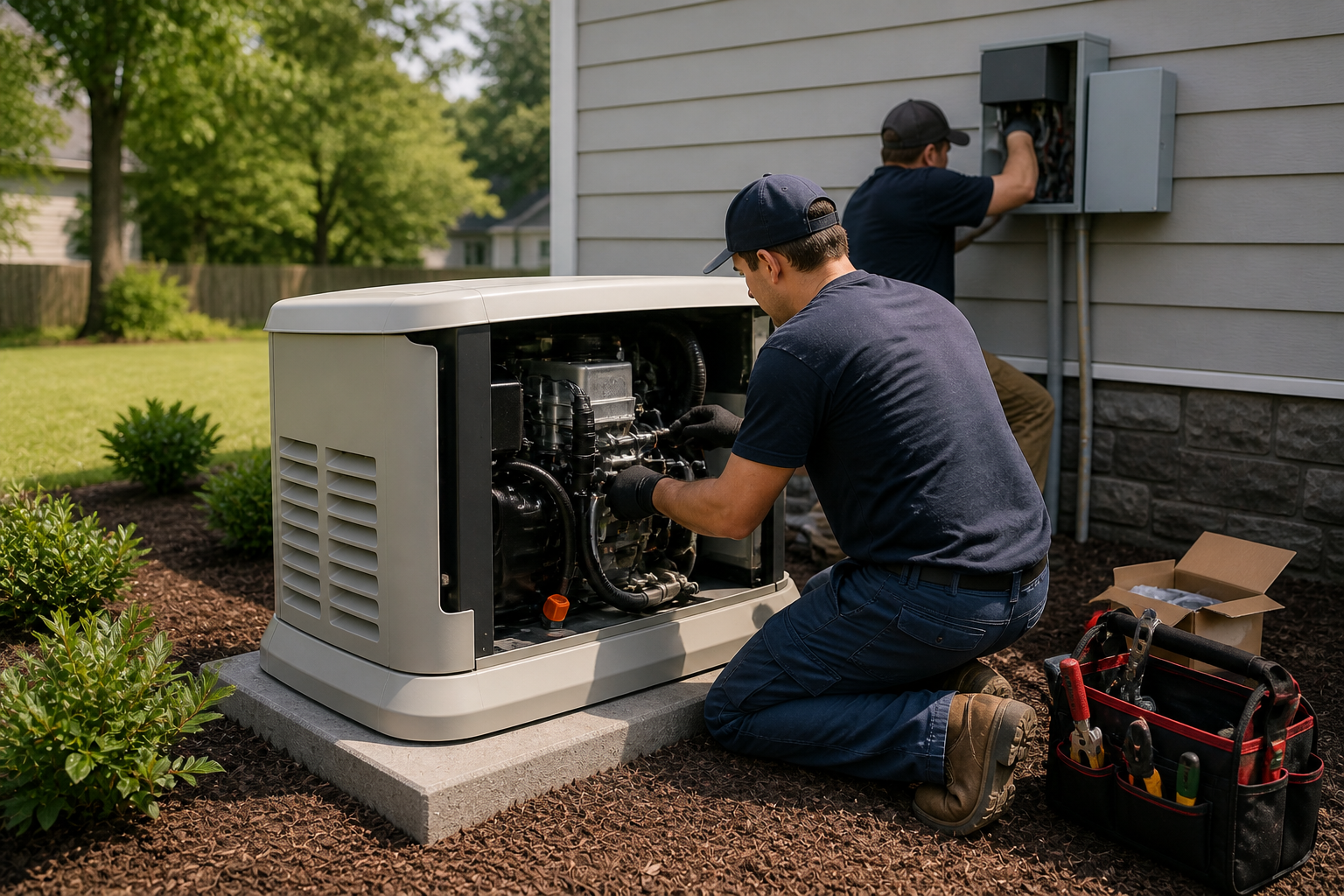
What to Expect When Installing a Standby Generator

If you’ve been thinking about installing a standby generator, you’re probably wondering what the process actually looks like.

For homeowners across Counce, Pickwick, Savannah, and Hardin County, it’s becoming a more common upgrade—especially after dealing with a few power outages.

The good news?

It’s more straightforward than most people expect.

Step 1: Evaluating Your Home’s Needs

The first step is figuring out what you want the generator to power.

Some homeowners want full-home coverage.

Others focus on essentials like:

  • HVAC system

  • Refrigerator and freezer

  • Lights and outlets

  • Water heater

This determines the size of the generator you’ll need.

Step 2: Choosing the Right System

Not all generators are the same.

You’ll choose based on:

  • Home size

  • Power requirements

  • Fuel source (natural gas or propane)

  • Budget

Getting this part right is important—too small and it won’t meet your needs, too large and you’re overspending.

Step 3: Preparing the Installation Site

The generator is installed outside your home, similar to an HVAC unit.

The location is chosen based on:

  • Accessibility

  • Safety clearances

  • Proximity to utilities

In areas like Savannah and Pickwick, placement also takes into account weather exposure and property layout.

Step 4: Installing the Transfer Switch

This is one of the most important parts of the system.

The transfer switch connects the generator to your home’s electrical panel.

When power is lost, it automatically switches your home over to generator power.

When power returns, it switches back.

You don’t have to do anything manually.

Step 5: Connecting Fuel and Electrical Systems

The generator is connected to a fuel source—usually natural gas or propane.

It’s also wired into your home’s electrical system so it can power your selected circuits.

Everything is installed and tested to ensure it runs safely and reliably.

Step 6: System Testing and Walkthrough

Before the job is complete, the system is tested.

You’ll see how it works and understand:

  • What happens during an outage

  • How the system turns on

  • What it will power

This gives you confidence that everything is ready when you need it.

A Real Example Close to Home

A homeowner in Pickwick decided to install a standby generator after losing power during a storm the previous summer.

They were surprised at how smooth the process was.

From evaluation to installation, everything was handled step-by-step—and now their home stays powered during outages without any effort on their part.

How Long Installation Takes

Most installations can be completed within a few days, depending on the setup.

Planning ahead is key—especially before storm season when demand increases.

Why Timing Matters

Waiting until after a major outage can mean:

  • Longer scheduling delays

  • Limited equipment availability

  • Rushed decisions

Installing ahead of time ensures you’re ready before you actually need it.

Actionable Takeaways

  • A standby generator is customized based on your home’s needs

  • The transfer switch is what allows automatic operation

  • Installation is typically faster than most homeowners expect

  • Planning ahead avoids delays during peak demand

Bottom Line

Installing a standby generator isn’t as complicated as it sounds.

It’s a structured process designed to make sure your home stays powered when it matters most.

And once it’s installed, it works automatically—so you don’t have to think about it when the power goes out.

If you’ve been considering a generator, now is the time to take the next step before storm season arrives.

Harbin Heating & Air Conditioning
5910 Hwy 57
Counce, Tennessee 38326

731-689-3651

Serving Counce, Pickwick, Savannah, Hardin County, Corinth, MS, and North Mississippi
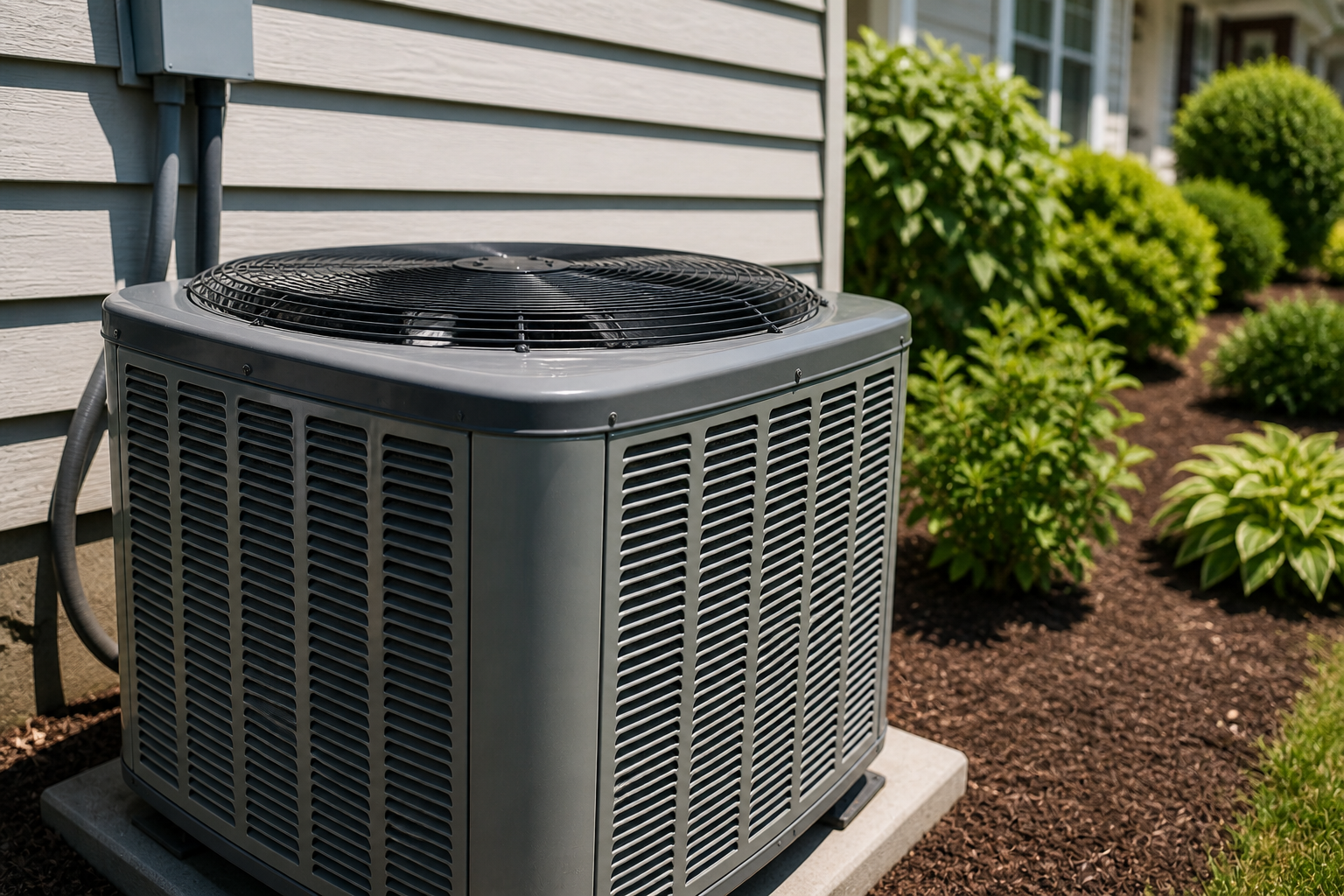
Signs Your Air Conditioner Needs Repair Before Peak Summer in Counce

Spring in Counce, Pickwick, and Savannah is that window of time where your AC starts getting used again—but it’s not under full summer pressure yet.

And that’s exactly why it’s the best time to catch problems early.

Because once peak summer hits in Hardin County and North Mississippi, your system isn’t getting a break. It’s running all day, every day.

If something is already off, it’s only going to get worse.

Here are the signs to watch for before it turns into a breakdown.

Your Home Isn’t Cooling Like It Used To

This is usually the first sign.

Your AC is running, but:

  • The house takes longer to cool down

  • It never quite reaches the set temperature

  • Certain rooms stay warmer than others

This often points to issues like low refrigerant, airflow problems, or a system that’s losing efficiency.

Weak Airflow from Your Vents

If air is coming out of your vents but it feels weak, something is restricting the system.

That could be:

  • A dirty air filter

  • Blocked or leaking ductwork

  • A failing blower motor

In homes around Counce and Pickwick, we see this a lot after winter when filters haven’t been changed or debris has built up.

Strange Noises You Didn’t Hear Before

Your AC should be relatively quiet.

If you start hearing:

  • Grinding

  • Banging

  • Squealing

  • Buzzing

…it’s usually a sign something mechanical is starting to fail.

Ignoring it now often leads to bigger repairs later.

Your System Is Turning On and Off Constantly

Short cycling—when your system turns on and off frequently—is a major red flag.

It can be caused by:

  • Thermostat issues

  • Electrical problems

  • An oversized or struggling system

It also puts extra wear on your equipment, which can shorten its lifespan.

Warm Air Coming from the Vents

If your AC is blowing warm or slightly cool air instead of cold air, something isn’t right.

Common causes include:

  • Refrigerant issues

  • Compressor problems

  • Electrical faults

This is one of the signs that shouldn’t be ignored—especially heading into summer.

Humidity Feels Higher Than Normal

Your AC doesn’t just cool your home—it also removes humidity.

If your home feels sticky or damp, even when the system is running, it may not be functioning properly.

That’s a common issue we see across Savannah and Corinth as temperatures start climbing.

Your Energy Bills Are Creeping Up

If your energy bill is going up but your usage hasn’t changed much, your system may be working harder than it should.

That usually means something inside the system isn’t operating efficiently.

A Real Example Close to Home

A homeowner in Counce noticed their system was running longer than usual and certain rooms weren’t cooling.

They almost waited it out.

Turns out, it was a combination of airflow restriction and low refrigerant.

Fixing it early kept it from turning into a full system failure once summer hit.

That’s exactly why catching these signs now matters.

When to Call for Service

If you’re noticing one or more of these issues, it’s time to have your system checked.

Waiting until it stops working completely usually means:

  • Higher repair costs

  • Longer wait times during peak season

  • More discomfort in your home

Actionable Takeaways

  • Pay attention to small changes in performance

  • Address airflow and cooling issues early

  • Don’t ignore unusual sounds or cycling patterns

  • Spring is the best time to handle repairs before summer

Bottom Line

Your AC doesn’t usually fail overnight.

It gives you warning signs.

Catching those signs early can save you time, money, and a lot of frustration when the heat really sets in.

If your system isn’t performing like it used to, now is the time to take care of it.

Harbin Heating & Air Conditioning
5910 Hwy 57
Counce, Tennessee 38326

731-689-3651

Serving Counce, Pickwick, Savannah, Hardin County, Corinth, MS, and North Mississippi
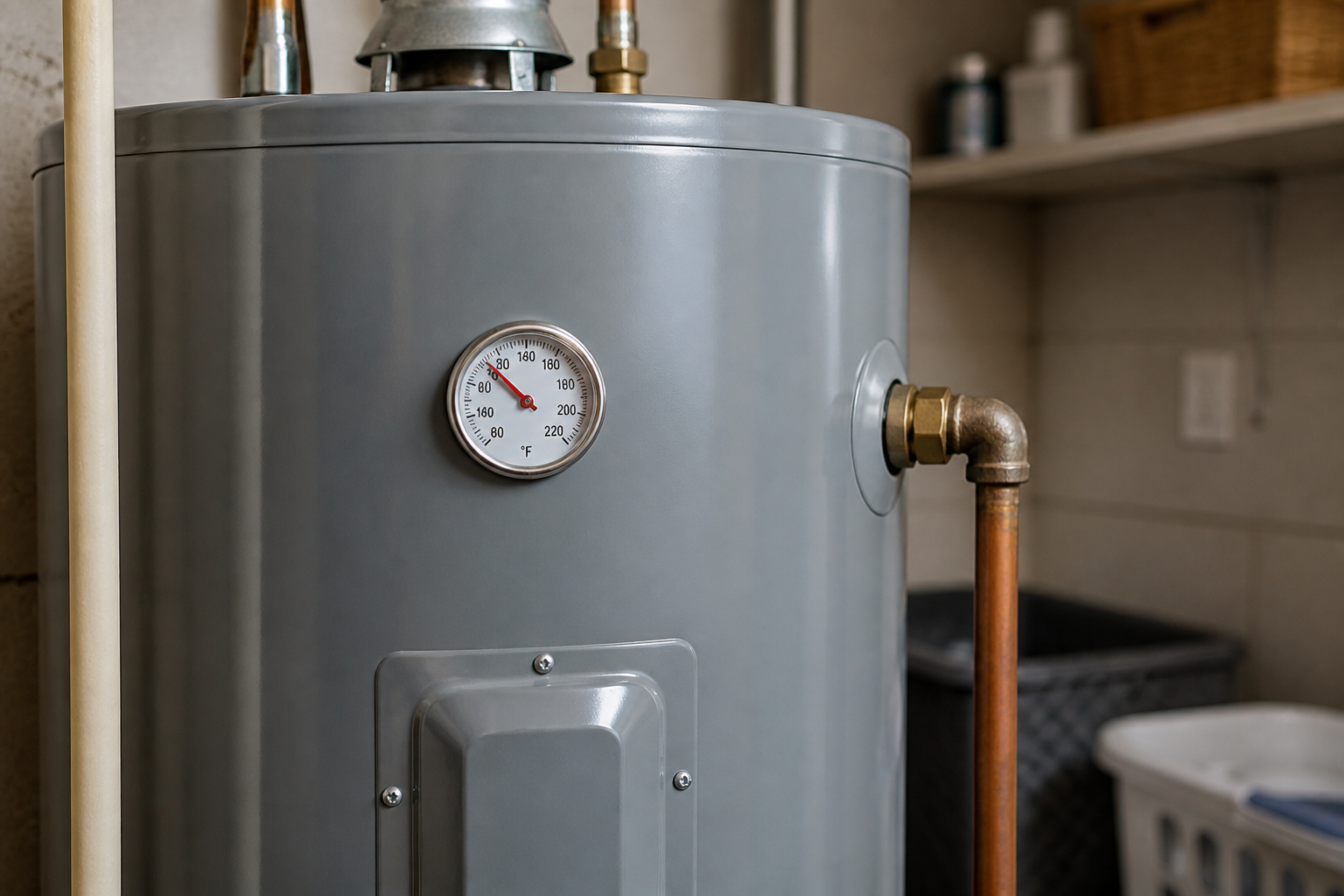
Why Your Hot Water Runs Out Faster Than It Used to

There’s nothing more frustrating than running out of hot water halfway through a shower—especially when it never used to be a problem.

If you’re noticing this happening more often in your home in Counce, Pickwick, Savannah, or Hardin County, something has changed.

And your water heater is usually trying to tell you something.

Let’s walk through the most common reasons this happens—and what you can do about it.

Sediment Buildup Is a Common Cause

Over time, minerals in your water settle at the bottom of your water heater tank.

This buildup takes up space and makes it harder for the system to heat water efficiently.

That means:

  • Less hot water available

  • Longer recovery times

  • Higher energy use

In areas like North Mississippi and West Tennessee, where mineral content can vary, this is one of the most common issues we see.

Your Household Demand Has Changed

Sometimes the problem isn’t the system—it’s usage.

If your household is using more hot water than before, your current setup may not be enough.

This can happen when:

  • More people are living in the home

  • Shower usage has increased

  • New appliances are using hot water

Your system may have worked perfectly before, but now it’s struggling to keep up.

Heating Elements or Burners May Be Failing

If part of your water heater isn’t working properly, it may still produce hot water—but not as much as it should.

Electric systems rely on heating elements. Gas systems use burners.

If one of those components is failing, you may notice:

  • Shorter hot water supply

  • Inconsistent water temperature

  • Longer wait times for hot water

Thermostat Settings May Be Off

Sometimes the issue is as simple as the temperature setting.

If the thermostat is set too low, the water may not be heating to the level you expect.

However, this is usually a quick fix compared to other problems.

Your Water Heater May Be Aging Out

Most traditional tank water heaters last around 8 to 12 years.

As they age, efficiency drops.

That means:

  • Less hot water available

  • More energy required

  • Increased chance of breakdown

If your system is getting older and problems are becoming more frequent, it may be time to consider replacement.

A Real Example Close to Home

A homeowner in Counce started noticing their hot water running out much faster than usual.

At first, they assumed it was just increased usage.

But after checking things out, it turned out sediment buildup had reduced the tank’s capacity significantly.

After flushing the system, performance improved—but because of the unit’s age, they began planning for replacement to avoid future issues.

When to Repair vs Replace

Repair may make sense if:

  • The system is fairly new

  • The issue is isolated

  • Performance returns after service

Replacement may be the better option if:

  • The system is older

  • Problems keep coming back

  • Hot water demand has increased

  • Efficiency has noticeably dropped

What to Expect from a Replacement

Newer water heaters are more efficient and better sized for modern usage.

Options include:

  • Traditional tank systems

  • Tankless systems for on-demand hot water

Choosing the right system depends on your home’s needs and usage.

Actionable Takeaways

  • Sediment buildup is a leading cause of reduced hot water

  • Increased usage can overwhelm older systems

  • Aging units lose efficiency over time

  • Regular maintenance can extend system life

Bottom Line

If your hot water is running out faster than it used to, there’s a reason.

Sometimes it’s a simple fix. Other times, it’s a sign your system is nearing the end of its life.

The key is addressing it early—before it turns into a full breakdown.

If you’re dealing with inconsistent hot water, it’s worth having it checked out so you can get back to reliable comfort.

Harbin Heating & Air Conditioning
5910 Hwy 57
Counce, Tennessee 38326

731-689-3651

Serving Counce, Pickwick, Savannah, Hardin County, Corinth, MS, and North Mississippi