Please ensure Javascript is enabled for purposes of website accessibility

How Whole Home Generators Work During a Power Outage

A power outage changes the feel of a house fast. The lights go out. The air conditioner shuts down. The refrigerator starts warming up. If the outage lasts long enough, even hot water becomes a problem.

That is where a whole home generator makes a big difference. It does more than keep a lamp on. It keeps your home running in a way that feels normal, even when the grid is down.

If you live in Counce, Pickwick, Savannah, Hardin County, Corinth, MS, or anywhere in North Mississippi, you know storms, high winds, and summer heat can knock out power when you least expect it. A whole home generator can help you stay comfortable and safe through those outages.

What a Whole Home Generator Actually Does

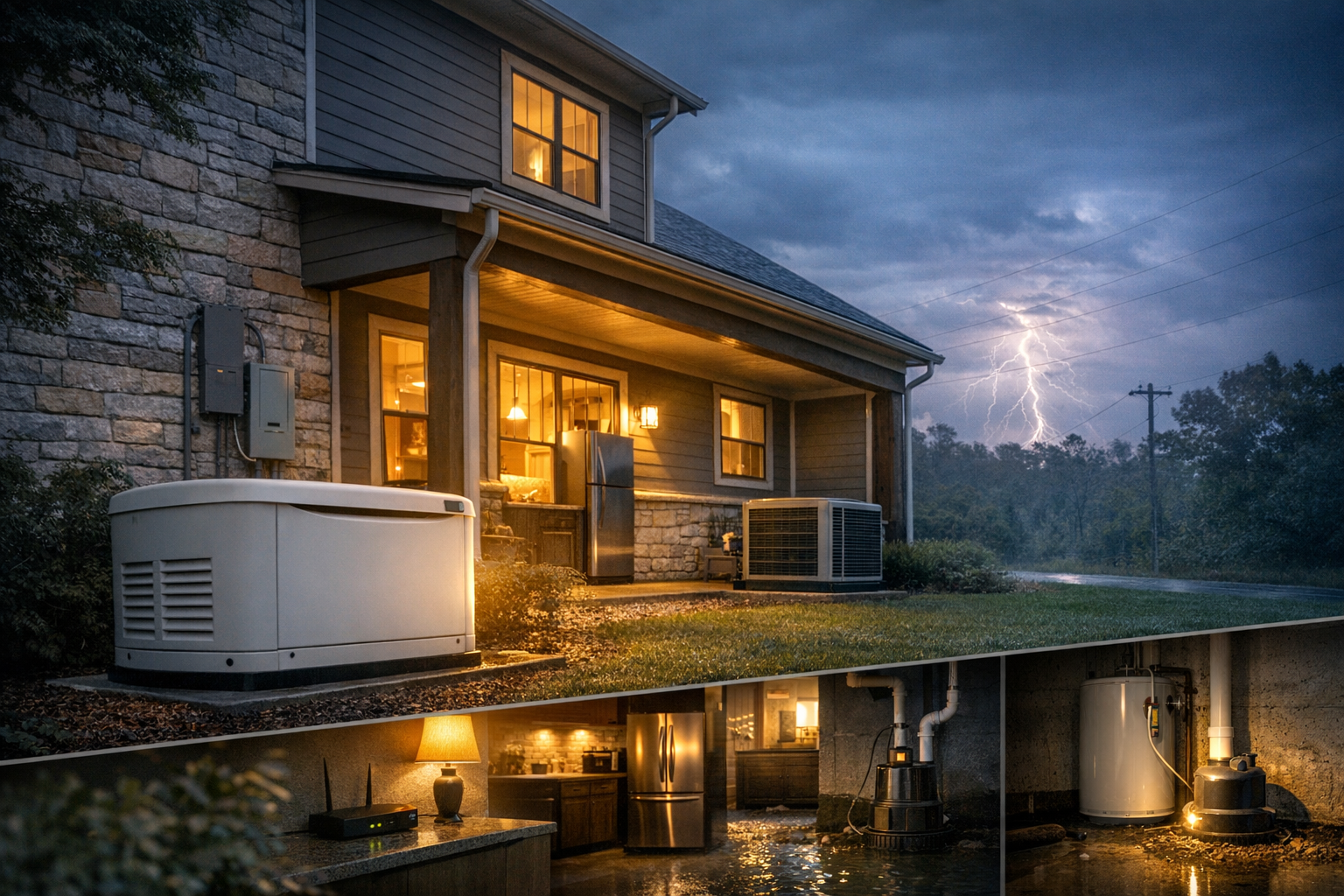
A whole home generator is permanently installed outside your house and connected to your electrical system. It is designed to turn on automatically when the power goes out.

Unlike a small portable unit, a whole home generator is built to power the entire house or the most important systems in it, depending on how it is sized and installed. That may include your HVAC system, refrigerator, lights, sump pump, internet, and water heater.

The key benefit is convenience. You do not have to drag out equipment, refuel anything by hand, or sit in the dark waiting for help. The system senses the outage and starts working on its own.

How It Kicks On During an Outage

The process is simpler than most people think.

First, the generator is connected to a transfer switch. That switch monitors incoming utility power all the time.

When the power goes out, the transfer switch tells the generator to start. After a short delay, usually just a few seconds, the system transfers your home from utility power to generator power.

Once that happens, your home runs on the generator until the grid comes back online. When normal power returns, the transfer switch shifts the house back to the utility supply and the generator shuts itself down.

You do not need to be home for this to happen. That is one of the biggest reasons people choose a whole home generator instead of a portable one.

Why It Matters for HVAC and Comfort

For most homeowners, the first big concern during a blackout is the HVAC system. In the middle of a July storm or an August heat wave, losing air conditioning can turn a short outage into a miserable night.

A properly sized whole home generator can keep your HVAC system running so your house stays livable. That is especially important for families with young children, older adults, or anyone sensitive to heat.

It can also protect your equipment. Sudden shutdowns and repeated power interruptions can be hard on HVAC systems, thermostats, and other appliances. A generator gives your home a more stable power source during outages.

That said, not every generator can run every HVAC system. Some systems need more starting power than others. That is why generator installation should always be matched to the home’s actual electrical load.

What a Whole Home Generator Can Power

The exact setup depends on the size of the generator and what the homeowner wants to prioritize. Some homes are wired to keep nearly everything running. Others focus on essentials.

Common items a whole home generator may support include:

  • Heating and cooling systems

  • Refrigerators and freezers

  • Lights and outlets

  • Internet and phone charging

  • Water heater

  • Well pumps or sump pumps

  • Security systems

For some families, keeping the HVAC system and refrigerator running is enough. For others, being able to continue normal daily life during a long outage is the real priority.

What Happens If the Outage Lasts a Long Time

During storm season, outages can last longer than expected. A whole home generator is built for extended use as long as it has fuel and receives proper maintenance.

Most residential systems run on natural gas or propane. That fuel supply determines how long the generator can keep operating. A natural gas connection can offer a steady supply if the utility line remains intact. Propane works well too, especially for properties where natural gas is not available.

If the outage goes on for hours or days, the generator continues cycling on and off based on your home’s electrical demand. It does not run constantly at full load unless the home is using that much power.

That is one reason maintenance matters. A generator that has not been serviced may fail at the worst time, which defeats the point of having backup power in the first place.

How to Know If Your Home Is a Good Fit

Not every home needs the same generator setup. The right answer depends on how your house is used and what you want to protect.

A homeowner in Savannah might want a generator mainly to keep a central HVAC system and refrigerator running during summer storms. A family in Counce near Pickwick may want backup power because they spend time away from the house and want peace of mind when weather rolls through. Someone in Corinth, MS might be more focused on keeping a water heater and heat pump operating through winter outages.

Questions to think about include:

  • Do you want whole house coverage or just essential circuits?

  • Is your HVAC system large or older and harder to start?

  • Do you have a gas or propane supply available?

  • Are you trying to protect food, comfort, or both?

  • Do you need backup power for medical equipment or a well pump?

A local technician can look at your home’s electrical panel, HVAC equipment, and fuel access to recommend the right size and type of generator.

Why Professional Installation Matters

A generator is not a plug and play appliance. It has to be safely connected to your electrical system, sized correctly, and placed in the right location.

Professional installation helps make sure the generator starts when it should, transfers power properly, and supports the systems that matter most.

It also helps avoid common problems like:

  • Undersized units that cannot handle HVAC startup demand

  • Improper placement that creates noise or clearance issues

  • Faulty transfer switch setup

  • Fuel connection problems

  • Code or safety issues

If you are comparing generator installation near me options, look for a company that understands both electrical systems and HVAC equipment. That combination matters because your comfort systems are often the biggest loads in the home.

Maintenance Keeps the Generator Ready

A generator should be ready before the outage hits. That takes routine maintenance.

Like a car or furnace, a standby generator needs regular checks so it can perform when needed. Maintenance may include oil changes, battery checks, filter replacement, inspection of fuel connections, and startup testing.

That is especially important before spring storm season and before winter cold snaps. In this part of Tennessee and across North Mississippi, the weather does not always give much warning.

If your generator has not been tested in a while, it is worth having it inspected before you need it. A quick service visit is a lot better than discovering a problem after the power is already out.

A Real Local Example

Take a family in Hardin County just outside Pickwick. They have a two story home, a central heat pump, a refrigerator in the kitchen, and a small chest freezer in the garage. One stormy summer evening, a line of severe weather knocks out power across the area.

The house goes dark for a few seconds, then the generator starts automatically. The air conditioner keeps running, the refrigerator stays cold, and the family does not have to worry about food spoilage or sleeping in a hot house.

Later that night, utility crews are still working. The family is able to get through the outage comfortably because the generator does its job without any manual effort.

That is the real value. It is not just about convenience. It is about keeping your home functional when the grid is not.

When to Call for Help

If you are thinking about generator installation, repair, or maintenance, it helps to talk with a local team before storm season gets busy.

You should call if:

  • Your home loses power often and you want a permanent backup solution

  • Your HVAC system shuts down during outages and you want to keep cooling or heating running

  • You already have a generator but it has not been serviced recently

  • You are not sure what size generator your home needs

  • You want to compare generator options with HVAC replacement or water heater upgrades

In some cases, it makes sense to plan a generator project alongside other home comfort work. For example, if your HVAC system is aging and you are considering replacement, it is smart to evaluate generator capacity at the same time. That way, the new equipment and the backup power source are matched correctly from the start.

Actionable Takeaways

If you want to be ready for the next outage, keep these points in mind:

  • Whole home generators turn on automatically when utility power fails

  • A transfer switch handles the change from grid power to generator power

  • The right generator size depends on what you want to power, especially HVAC equipment

  • Maintenance is just as important as installation

  • Spring and summer storm season is the best time to make sure your backup power is ready

If you are in Counce, Pickwick, Savannah, Hardin County, Corinth, MS, or North Mississippi, now is a smart time to think ahead. Waiting until the next outage usually means dealing with stress, discomfort, and limited options.

Bottom Line

A whole home generator gives you more than backup power. It gives you control. When the lights go out, your home can stay comfortable, your food stays cold, and your HVAC system can keep working the way it should.

If you need help deciding whether a generator is right for your home, a professional can walk you through the options, explain what your system can handle, and help you make a practical choice that fits your house and your budget.

Harbin Heating & Air Conditioning
5910 Hwy 57
Counce, Tennessee 38326

731-689-3651

Serving Counce, Pickwick, Savannah, Hardin County, Corinth, MS, and North Mississippi
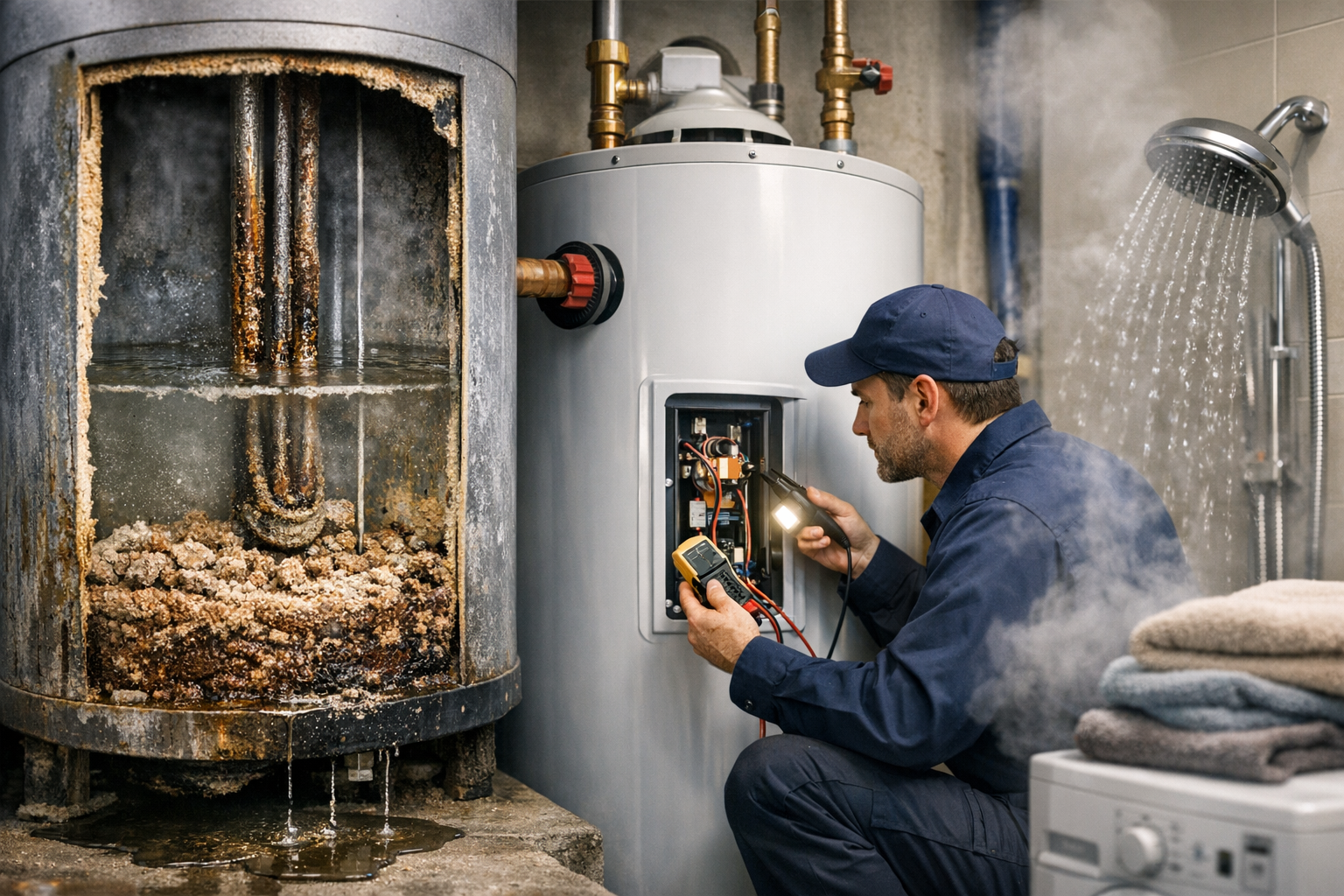
Why Your Hot Water Runs Out Faster Than It Used To

If your morning shower feels a lot shorter than it used to, you are not imagining it. When hot water starts disappearing faster, it usually means something in the system has changed. Sometimes it is a simple maintenance issue. Other times it is a sign your water heater is wearing out and struggling to keep up.

For homeowners in Counce, TN, Pickwick, Savannah, Hardin County, Corinth, MS, and across North Mississippi, this problem tends to show up right when life gets busy. Colder weather, more laundry, guests coming to visit, or a bigger demand on the house can make an already weak water heater fall behind fast. The good news is that there are clear reasons this happens, and most of them can be checked before you get stuck with lukewarm water halfway through the day.

The Most Common Reason Is Sediment Buildup

One of the biggest reasons hot water runs out faster is sediment buildup inside the tank. Over time, minerals in the water settle to the bottom of the water heater. That layer of buildup takes up space and makes it harder for the tank to heat water properly.

When that happens, the heater may still warm water, but it cannot store as much of it. You end up using hot water faster than before, even though nothing in your routine has changed.

This is especially common in areas with harder water or older systems. If you have not had your water heater flushed in years, sediment may be the reason your showers are getting shorter.

Your Water Heater May Be Losing Efficiency

Even if the tank is not full of sediment, age alone can reduce performance. A water heater does not last forever. As parts wear out, the system takes longer to recover after hot water is used.

That means the tank may still hold some hot water, but once you use it, it needs more time than it used to before it is ready again. If you have a household where people shower back to back, run the dishwasher, and do laundry in the same morning, an aging water heater can quickly feel too small for the job.

This is a common complaint from homeowners in Savannah and Hardin County who say the water heater used to keep up just fine, but now it cannot handle normal daily use. That is often a sign the unit is nearing the end of its service life.

The Thermostat May Not Be Set Right

Sometimes the issue is not the size of the tank at all. It can be the temperature setting. If the thermostat has been adjusted lower, your hot water may seem to run out quicker because the water is not being heated as fully as before.

That said, turning the temperature up too high is not the answer. Water that is too hot can be dangerous and can also raise energy costs. A proper setting gives you enough hot water without wasting energy or creating safety risks.

If the temperature seems off, or the water is never quite as hot as it used to be, it is worth having a professional check the system. A small adjustment may make a noticeable difference.

A Faulty Heating Element Can Cause Big Problems

Electric water heaters rely on heating elements to warm the water. If one of those elements starts failing, the tank may not heat all the water it should. That can make it seem like you are constantly running out, especially during back to back use.

In some cases, one element may still be working while the other is struggling. That can create an odd pattern where the water starts hot, then turns warm faster than normal.

If you notice inconsistent water temperature, that is often a sign you need water heater service. An experienced technician can test the elements and determine whether repair or replacement makes more sense.

The Dip Tube Could Be Broken

Inside the water heater, a dip tube helps direct incoming cold water to the bottom of the tank so it can heat properly. If that tube breaks, cold water can mix with hot water at the top of the tank. The result is water that cools off much faster than it should.

This is one of those issues that is not obvious from the outside. The water heater may look fine, but the performance tells a different story. If the hot water seems to fade quickly even after the tank has had time to recover, a broken dip tube could be the cause.

Your Household May Be Using More Hot Water Than Before

Sometimes the problem is not a breakdown. It is simply that your household needs have changed.

Maybe a new family member moved in. Maybe teenagers are taking longer showers. Maybe you are running more loads of laundry, washing more dishes, or using hot water more often during cleaning. Even one added routine can put a strain on a water heater that used to feel adequate.

This becomes more noticeable during cooler months and into winter, when incoming water is colder and the heater has to work harder. If your system is already borderline, seasonal changes can make it seem like the hot water has vanished overnight.

Your Water Heater May Be the Wrong Size

If your water heater has always felt a little undersized, now is the time it will show. A tank that worked fine for a smaller household can struggle once your needs grow.

This is especially common in older homes around Pickwick, Counce, and rural parts of Hardin County where original equipment may not have been updated in years. A family can outgrow a water heater without realizing it. Then the signs show up one by one, such as shorter showers, cold water during laundry, and not enough hot water for back to back use.

If your current tank cannot support your daily routine, replacement may be a better investment than repeated repairs.

When It Makes Sense to Call for Water Heater Service

You do not need to wait until the water turns fully cold. If your hot water is clearly lasting less time than it used to, that is reason enough to call. A professional can figure out whether the issue is repairable or if the tank is on its last legs.

Call for service if you notice any of these signs:

  • Hot water runs out much faster than it used to

  • The water temperature changes suddenly

  • There are popping or rumbling sounds from the tank

  • You see rust colored water

  • The unit is leaking around the base

  • The water heater is more than 8 to 12 years old

  • You need frequent resets or repairs

If you are searching for water heater service near me in the Counce or Savannah area, it is smart to get ahead of the problem before a full breakdown leaves the house without hot water.

What a Technician Will Usually Check

When a technician inspects a water heater, they look at more than just the temperature. A proper diagnosis usually includes checking the tank condition, heating components, thermostat, sediment levels, valves, and overall system age.

That matters because the fix depends on the real problem. You do not want to replace a working part if the actual issue is buildup or age. And you do not want to keep repairing a water heater that is already costing too much to maintain.

A good service call should give you a clear picture of whether you need maintenance, a repair, or a full replacement. That helps you make a practical decision instead of guessing.

A Real Local Example

A family in Hardin County near Pickwick called after noticing their hot water was cutting out halfway through morning routines. At first, they thought the water heater was just too small. But after a full inspection, it turned out the tank had heavy sediment buildup and one heating element was starting to fail.

They had two choices. They could keep patching it, or they could replace the aging unit before it quit completely. Since the home had three bathrooms and regular weekend guests, they chose replacement. The difference was immediate. Showers stayed hot, laundry ran normally, and they no longer had to plan around the water heater.

That kind of situation is common in homes around Savannah, Corinth, MS, and North Mississippi, especially when the existing unit has already given years of service. Sometimes the issue is simple. Sometimes the system is telling you it is time to move on.

Don’t Ignore the Timing of the Problem

Many homeowners wait until there is no hot water at all. By then, the repair may be more urgent and inconvenient. If you are heading into winter or already dealing with colder mornings, it is better to handle the issue now. Hot water problems have a way of getting worse when demand goes up.

This is also a good time to think beyond the water heater itself. If your home has had recent power issues, storm season outages, or electrical problems, it may be worth asking whether a generator installation or maintenance check could help protect your comfort and routine. Losing power can affect water heaters, HVAC equipment, and everything else that keeps the home running smoothly.

And if your home is already due for HVAC repair or HVAC replacement, it is smart to look at the bigger picture. A home comfort system works best when the major pieces are all in good shape.

Actionable Takeaways

If your hot water runs out faster than it used to, here is what to do next:

  • Check whether the problem is happening all the time or only during busy use

  • Think about whether your household has changed size or routine

  • Listen for unusual sounds from the water heater

  • Watch for rust colored water or leaks

  • Consider how old the unit is and whether it has been serviced regularly

  • Schedule a professional inspection before the system fails completely

  • Ask whether repair or replacement will save more money long term

Regular maintenance can make a big difference. Flushing the tank, checking parts, and catching wear early can help extend the life of the system. But if the water heater is already old and struggling, replacement may be the better choice.

Bottom Line

Hot water that runs out faster than it used to is usually a warning sign, not just a minor annoyance. It can point to sediment buildup, worn parts, age, sizing issues, or a change in household demand. The sooner you look into it, the easier it is to avoid a cold surprise during your next shower or laundry cycle.

If you live in Counce, Pickwick, Savannah, Hardin County, Corinth, MS, or anywhere in North Mississippi, and you are looking for dependable help near me, the right service call can save time, money, and frustration. Whether the answer is water heater service, HVAC repair, HVAC replacement, or generator installation and maintenance, the goal is the same. Keep your home running the way it should.

Harbin Heating & Air Conditioning
5910 Hwy 57
Counce, Tennessee 38326

731-689-3651

Serving Counce, Pickwick, Savannah, Hardin County, Corinth, MS, and North Mississippi
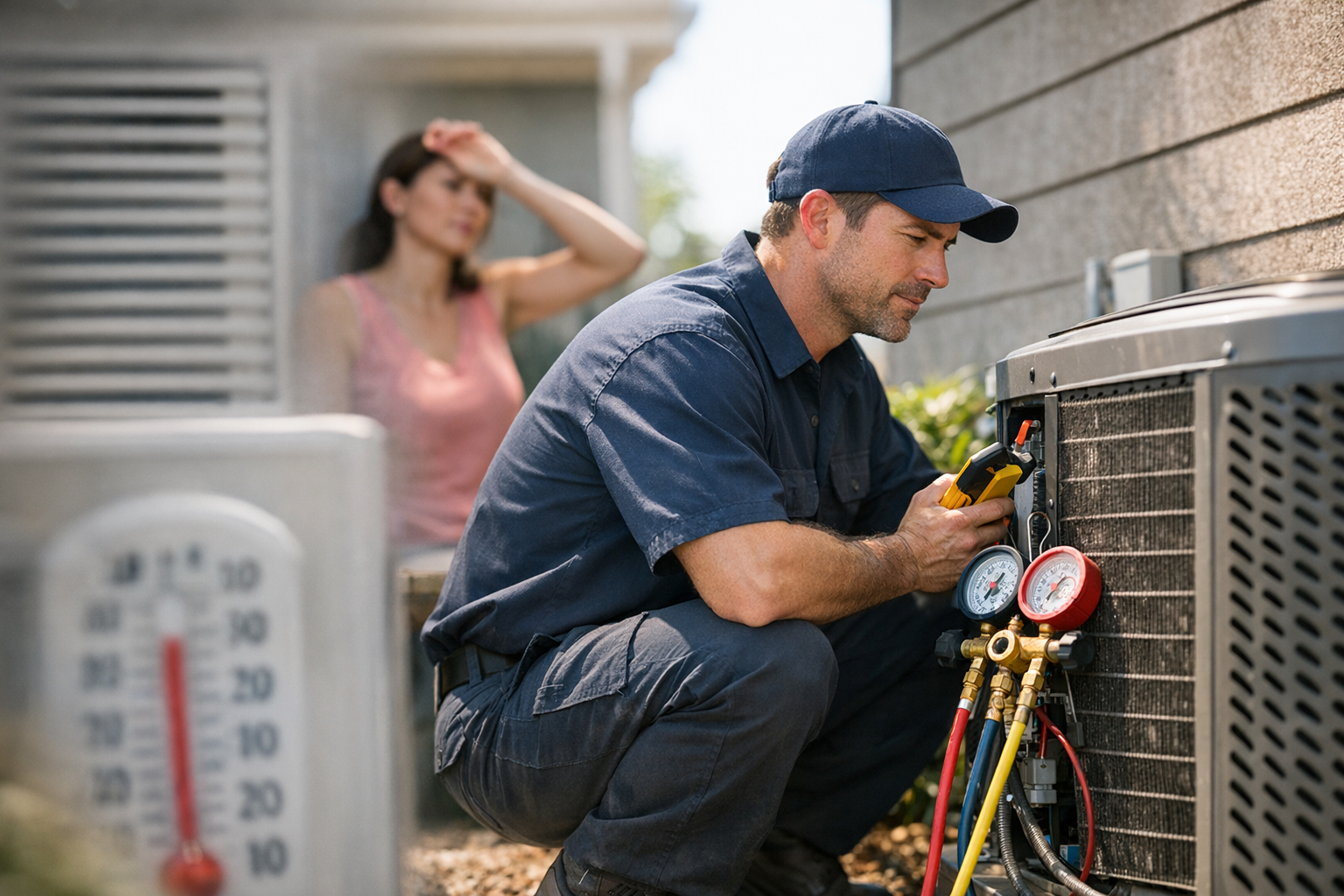
Signs Your Air Conditioner Needs Repair Before Peak Summer

Spring is the best time to pay attention to your air conditioner. Once the heat settles in across Counce, Pickwick, Savannah, Hardin County, Corinth, MS, and North Mississippi, an AC problem can go from annoying to downright miserable fast. If your system has been acting a little off, now is the time to catch it before peak summer arrives.

A struggling air conditioner does not always quit all at once. Most of the time, it gives you warning signs first. The earlier you notice them, the easier it is to avoid a hot house, higher energy bills, and a bigger repair later on.

Your AC Is Not Cooling Like It Used To

This is one of the clearest signs something is wrong. If your system runs but the house still feels warm, the unit may be low on refrigerant, have a failing compressor, or be dealing with airflow problems. Sometimes the issue is minor. Sometimes it is the start of a bigger repair.

Do not brush it off if you notice certain rooms staying warmer than others or if it takes much longer for the house to cool down. That is often your AC telling you it needs attention before the heat really sets in.

The Airflow Feels Weak

If the air coming from your vents feels weaker than usual, the system may be having trouble moving air through the house. That can happen because of a clogged filter, a blower issue, dirty coils, or duct problems.

Weak airflow can make your home uncomfortable even if the thermostat says the system is running. It also forces the AC to work harder, which can shorten its lifespan and increase your electric bill. If you find yourself standing near a vent waiting to feel cool air, it is worth having the system checked.

You Hear Strange Noises

Air conditioners should make some noise, but they should not rattle, grind, screech, or bang. Strange sounds often mean a part is loose, worn out, or failing. A buzzing sound can point to electrical trouble. A squealing sound may be a belt or motor issue. A grinding sound can mean the system needs immediate repair.

When an AC starts making new noises, it is usually best not to wait. Small mechanical issues can turn into bigger, more expensive ones if the system keeps running.

The System Turns On and Off Too Often

If your AC is short cycling, meaning it starts and stops over and over, it is not operating the way it should. This can happen because of dirty coils, thermostat trouble, refrigerant issues, or an oversized system.

Short cycling wastes energy and puts extra wear on the system. It also makes it harder to keep your home consistently comfortable. If your AC seems to be running in short bursts instead of normal cooling cycles, that is a sign to call for HVAC repair before summer heat makes the problem worse.

Your Energy Bills Jump Without a Clear Reason

Utility bills often give away a problem before the system fully fails. If your cooling bill has climbed and your habits have not changed, your AC may be losing efficiency. That can happen when components are dirty, failing, or struggling to keep up.

A sudden increase in energy use is easy to ignore at first, especially during the busy spring season. But if your system is costing more to run and the house still feels uncomfortable, it is time to have it inspected.

You Notice Humidity or Sticky Indoor Air

An air conditioner does more than cool the air. It also helps remove moisture. If your home feels sticky or damp, even when the AC is running, the system may not be dehumidifying properly.

That can happen because of low refrigerant, dirty coils, or a unit that is not sized or operating correctly. Excess indoor humidity can make your house feel warmer than it is and can also contribute to mold or musty smells.

There Are Odd Smells Coming From the Vents

A musty smell may suggest moisture or mold in the system. A burning smell can indicate an electrical issue. A sharp chemical smell may point to a refrigerant problem. None of these should be ignored.

If you smell something unusual when the AC turns on, shut the system off and have it looked at. Smells are often one of the earliest clues that something serious is developing.

Your Thermostat Does Not Match How the House Feels

If the thermostat says 72 but the house feels much warmer, the issue may not be the thermostat itself. It could be the AC, the ductwork, or the way the system is distributing air.

Sometimes a thermostat problem is simple. Other times it reveals a larger HVAC issue that should be handled before summer puts more stress on the equipment. A good technician can tell the difference and help you avoid unnecessary repairs.

The Outdoor Unit Looks Dirty or Damaged

Your outdoor AC unit needs room to breathe. If the coil is clogged with dirt, leaves, grass, or debris, the system cannot release heat properly. That makes it work harder and often less effectively.

Visible damage is another concern. Bent fins, loose panels, or signs of wear may not seem urgent, but they can affect performance. In storm season, debris and weather can also take a toll on outdoor equipment, so it is smart to check it before summer heat and summer storms arrive in Hardin County and surrounding areas.

The System Is Getting Older

Even a well-maintained air conditioner has a lifespan. If your system is older and repairs are becoming more frequent, it may be time to talk honestly about whether HVAC repair or HVAC replacement makes more sense.

A newer repair might help for now, but if the unit is breaking down every season, replacement could save money and stress in the long run. A trusted technician can help you compare the cost of continuing repairs with the benefits of a new, more efficient system.

A Real Local Example

Take a family in Counce near Pickwick. They are getting ready for spring and plan to spend more time outside, but they start noticing that the upstairs bedrooms are warmer than the rest of the house. The AC runs longer than usual, the air feels a little damp, and the utility bill has gone up. At first, they think it is just the changing weather.

After a quick HVAC inspection, they find a dirty coil and a failing part in the blower system. Because they called before peak summer, the repair is handled before the first real heat wave. Instead of waiting through a breakdown on a hot weekend, they get the system fixed, their home cools evenly again, and they avoid the stress of emergency service.

That is a common story across Savannah, Corinth, MS, and North Mississippi. Small warning signs often show up weeks or months before a full failure. Catching them early makes all the difference.

When Repair Makes Sense and When It Does Not

Not every AC issue means you need a new system. Sometimes a capacitor, motor, thermostat, or refrigerant problem can be repaired without much trouble. If the unit is in decent shape and the problem is isolated, HVAC repair is often the right move.

But if your system is older, inefficient, or has already needed multiple repairs, it may be time to consider HVAC replacement. That is especially true if you are spending more to keep it running than it would cost to upgrade to something more reliable.

It is also a good time to think beyond cooling. If storms, outages, or power interruptions are a concern in your area, generator installation and maintenance can help keep your home protected when the power goes out. And if your water heater is giving you trouble too, it makes sense to address that before summer schedules get busy.

What You Can Do Right Now

  • Check your air filter and replace it if it is dirty

  • Listen for new noises when the system starts up

  • Pay attention to rooms that feel warmer or more humid than others

  • Look at your outdoor unit for dirt, debris, or visible damage

  • Watch your electric bill for sudden increases

  • Schedule service before the first major heat wave

If you have been searching for AC repair near me and your system is showing any of these warning signs, do not wait until it stops working on the hottest day of the year. A quick inspection now can help you avoid a major breakdown later.

Bottom Line

Your air conditioner usually gives you clues before it fails. Weak airflow, uneven cooling, strange noises, short cycling, humidity problems, strange smells, and rising energy bills are all signs that something is off. The sooner you deal with them, the better chance you have of avoiding a full system breakdown in the middle of summer.

For homeowners in Counce, Pickwick, Savannah, Hardin County, Corinth, MS, and North Mississippi, spring is the right time to get ahead of cooling problems. Whether you need HVAC repair, a replacement estimate, generator installation and maintenance, or help with a water heater, taking action now is the smart move.

Harbin Heating & Air Conditioning
5910 Hwy 57
Counce, Tennessee 38326

731-689-3651

Serving Counce, Pickwick, Savannah, Hardin County, Corinth, MS, and North Mississippi

One System, Two Jobs: Why Heat Pumps Are Taking Off in West Tennessee and North Mississippi

Spring is here across Counce, Pickwick, Savannah, and surrounding areas—and it’s that perfect time of year where mornings are cool and afternoons warm up fast.

And that’s exactly where heat pumps shine.

If you’ve been hearing more about heat pumps lately, there’s a reason. Homeowners across Hardin County, Corinth, and North Mississippi are starting to realize there’s a smarter way to stay comfortable year-round.

One system. Two jobs. Less energy wasted.

Let’s break it down in a way that actually makes sense.

What a Heat Pump Actually Does

A heat pump doesn’t create heat like a furnace. It moves heat.

In the summer, it works just like your air conditioner—pulling heat out of your home and pushing it outside.

In the winter, it flips directions and pulls heat from the outside air and brings it inside.

That’s how one system can handle both heating and cooling without needing separate equipment.

Why More Homeowners Are Making the Switch

In West Tennessee and North Mississippi, we don’t deal with extreme winters for long stretches. That makes heat pumps a great fit for this area.

They’re especially useful during seasons like spring and fall when temperatures swing throughout the day.

Homeowners are choosing heat pumps because:

  • They replace both your heating and cooling system

  • They use less energy compared to traditional setups

  • They provide more consistent comfort

  • They handle temperature swings better

Spring Is Where Heat Pumps Really Stand Out

This time of year is when most HVAC systems struggle.

You might need heat in the morning and AC in the afternoon.

A traditional system isn’t built for that kind of flexibility.

A heat pump is.

Instead of constantly adjusting your thermostat or switching modes, the system adapts with you—keeping your home comfortable without overworking.

A Real Example Close to Home

A homeowner in Savannah had a bonus room that never felt right.

Too hot in the summer. Too cold in the winter.

The main HVAC system just couldn’t keep up.

Instead of replacing everything, they added a heat pump solution for that space.

Now it stays comfortable year-round, and their main system isn’t struggling to compensate.

That’s something we see all the time in homes across Counce, Pickwick, and Corinth.

When a Heat Pump Makes the Most Sense

A heat pump can be a great option if:

  • Your HVAC system is getting older

  • You’re dealing with uneven temperatures

  • You want to simplify your setup

  • You’re looking to lower long-term energy costs

It’s not about replacing equipment just because—it’s about finding a better solution for how your home actually works.

What to Expect with Installation

Modern heat pumps are more efficient and more flexible than ever.

The key is proper sizing and installation.

That’s why working with a local company that understands homes in Hardin County and North Mississippi matters.

Actionable Takeaways

  • If your system struggles during spring, it may not be the right setup

  • Rooms that never feel comfortable usually need a targeted solution

  • Energy-efficient upgrades can reduce long-term costs

  • A professional evaluation helps you make the right call

Bottom Line

Heat pumps aren’t just hype—they’re a practical solution for homes in this region.

One system handling both heating and cooling just makes sense.

Especially during seasons like spring when flexibility matters most.

If you’ve been thinking about upgrading or just want to understand your options, now is a great time to take a closer look.

Learn more here:
https://bit.ly/4sOW4Tn

Harbin Heating & Air Conditioning
5910 Hwy 57
Counce, Tennessee 38326

731-689-3651

Serving Counce, Pickwick, Savannah, Hardin County, Corinth, MS, and North Mississippi
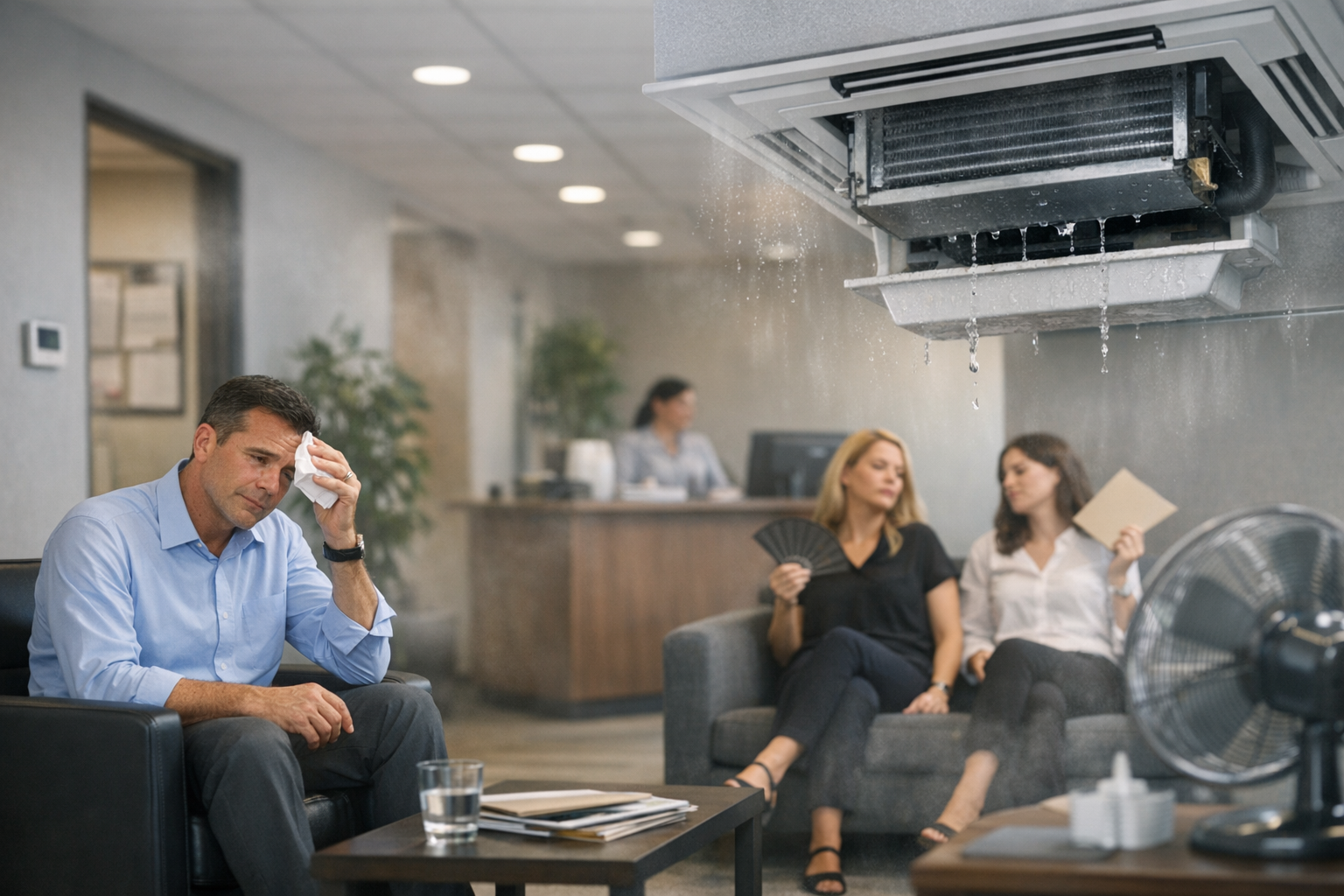
What Spring Humidity Is Telling You About Your HVAC System

Spring in the Mid-South does not ease in quietly. One day it feels comfortable, and the next your office is sticky, your lobby smells a little musty, and your team is turning the thermostat down even though the air still feels heavy. If you run a small business, that kind of spring humidity is not just a weather issue. It is often your HVAC system trying to tell you something.

Humidity has a way of exposing problems that stay hidden the rest of the year. Weak airflow, dirty coils, clogged drains, failing parts, and oversized equipment all show up fast once the moisture starts climbing. For a business owner, that means more than comfort complaints. It can affect your customers, your employees, your energy bills, and even how people experience your business online and in person.

Why spring humidity matters more than most people think

When the air outside starts holding more moisture, your HVAC system has to do more than cool the space. It also has to remove water from the air. If it cannot keep up, indoor air starts to feel warmer than it really is. That is why a 72 degree room can still feel sticky and uncomfortable.

For small businesses, that matters in a big way. Customers notice when a waiting room feels damp. Employees notice when an office never quite cools down. And if your building smells musty or stale, people may assume the whole place is poorly maintained.

Humidity also creates a chain reaction. When your system works harder to remove moisture, it can run longer, use more energy, and wear out parts faster. A small issue in spring can turn into a costly repair by summer.

What your HVAC system may be telling you

Spring humidity often acts like a warning light. It does not always mean something is broken, but it usually means something needs attention.

  • If the space feels clammy, your system may not be removing enough moisture.

  • If the air turns on and off too often, the system may be oversized or short cycling.

  • If some rooms are comfortable and others are not, airflow may be uneven.

  • If you notice a musty smell, there may be moisture around the coils, drain pan, or ductwork.

  • If energy bills are rising while comfort is dropping, the system may be losing efficiency.

These are not random annoyances. They are signs that your HVAC system needs inspection, cleaning, or adjustment before the weather gets hotter and more demanding.

The most common humidity-related problems in small businesses

Humidity problems do not always start with a major breakdown. Most of the time, they start small.

Dirty filters are one of the easiest problems to miss. When filters are clogged, airflow drops and your system cannot move enough air across the coil to remove moisture properly. That leaves your building feeling damp even when the thermostat says the temperature is right.

Dirty evaporator coils can create the same problem. If the coil cannot absorb heat efficiently, it cannot pull moisture from the air the way it should. In spring, that often shows up as a space that feels heavy or muggy, especially during business hours when doors open and close frequently.

Clogged drain lines are another common issue. If condensate cannot drain properly, water can back up into the system or sit where it should not. That can lead to odors, damage, and in some cases, water stains that make a business look less professional.

Sometimes the equipment itself is the problem. A system that is too large for the space can cool the air too quickly without running long enough to remove humidity. A system that is too small may never keep up. In either case, comfort suffers and operating costs climb.

What this means for customer experience

Most business owners understand that first impressions matter. What many do not realize is that indoor air comfort is part of that impression.

If you own a retail shop, restaurant, office, salon, clinic, or showroom, humidity affects how long people stay and how they feel while they are there. A sticky room makes people restless. A fresh, comfortable room makes them relax.

That matters for lead generation too. If someone visits your business after searching HVAC near me, local businesses near me, or a service provider in towns like Counce, TN, Savannah, TN, Cherokee, AL, Iuka, MS, or Corinth, MS, they are already evaluating you before they call. Your building tells a story. If the air feels off, that story may work against you.

Your website does the same thing. If your building is uncomfortable, customers may not leave reviews, may not refer you, and may not come back. On the other hand, when your space feels clean, cool, and professional, that experience supports stronger word of mouth, better reviews, and more repeat business.

How humidity connects to website performance and lead generation

This may not seem like a marketing topic at first, but it is. A small business runs on trust, and trust is built through experience.

If your HVAC system is failing to control humidity, you may see complaints, lower foot traffic, and fewer conversions from your website or Google Business Profile. People searching for local help often compare businesses quickly. They look at reviews, call, and decide whether to visit. If your facility feels uncomfortable, those leads may not turn into paying customers.

That is where HVAC maintenance connects directly to content marketing and SEO. Clear, helpful content on your website can bring in traffic, but the real test is what happens after the click. If a customer finds you online and then walks into a sticky office or overheated shop, the lead is harder to close.

For example, a well-written service page for businesses in Savannah, TN or Corinth, MS might bring in calls for commercial HVAC service. But if your system is not handling spring humidity, every new lead has to overcome a poor in-person experience. Fixing the system improves both operations and the impression you leave behind.

A real local example

Think about a small law office in Savannah, TN with a second location or satellite meeting space in nearby Counce, TN. The staff notices that the waiting area feels fine in the morning, but by late afternoon it turns warm and sticky. The front desk starts hearing comments from clients. One employee keeps a fan under the desk. The owner assumes it is just spring weather.

But the real issue is the HVAC system is running short cycles and not removing enough humidity. The filters are dirty, the drain line is partially clogged, and the coil needs cleaning. Because of that, the office is technically cool, but it does not feel comfortable.

Now add the business side. People searching for a lawyer near me, an accountant near me, or a local office in Savannah, TN may find the firm online. The website looks good, the reviews are decent, and the call-to-action works. But if they show up and the office feels stuffy, that appointment may not turn into a long-term client.

The same idea applies to a retail shop in Cherokee, AL, a medical office in Iuka, MS, or a busy showroom in Corinth, MS. Spring humidity affects comfort, comfort affects trust, and trust affects revenue.

What smart owners should watch for this spring

You do not need to be an HVAC technician to spot early warning signs. A few simple checks can save you from bigger trouble later.

  • Walk through the building at different times of day and notice whether the air feels damp or stale.

  • Pay attention to musty smells near returns, closets, restrooms, or back rooms.

  • Check whether some rooms are always warmer or stickier than others.

  • Look at your utility bills for unexplained increases.

  • Listen for short cycling, rattling, or long run times that do not seem normal.

  • Ask employees whether they notice comfort changes that customers might not mention.

If your staff is constantly adjusting the thermostat, using fans, or opening doors to try to fix the air, the HVAC system is probably not doing its job well enough.

When to call for professional help

Some humidity issues can be improved with filter changes or regular maintenance, but many need a trained eye. If you are dealing with persistent moisture, water around the unit, uneven temperatures, or a noticeable drop in comfort, it is time to call Harbin Heating & Air Conditioning.

Spring is the right time for service because it gives you a chance to catch problems before summer heat pushes the system harder. A professional inspection can uncover airflow issues, drainage problems, dirty coils, failing parts, and efficiency concerns before they turn into downtime.

For a small business owner, that means less guesswork and fewer surprises. It also means a better environment for employees and customers, which supports stronger reviews, more referrals, and better lead generation from your website and local search presence.

Actionable takeaways

If you want to stay ahead of spring humidity, start here:

  • Schedule seasonal HVAC maintenance before peak cooling season.

  • Replace filters regularly and do not wait for them to look filthy.

  • Make sure drain lines and drain pans are clear.

  • Watch for signs of poor airflow or uneven cooling.

  • Use humidity complaints as a clue, not just a comfort issue.

  • Make indoor comfort part of your customer experience strategy.

  • Keep your website and local listings aligned with the quality of service people experience when they arrive.

That last point matters more than many owners realize. Your digital presence may bring people in, but the building itself closes the deal. If the air feels clean and comfortable, people stay longer, trust you faster, and remember your business for the right reasons.

Bottom Line

Spring humidity is more than a seasonal annoyance. It is one of the clearest signs that your HVAC system may need attention. If your business in Counce, TN, Savannah, TN, Cherokee, AL, Iuka, MS, or Corinth, MS is dealing with sticky air, musty smells, or uneven comfort, do not wait for summer to make it worse.

Take the warning seriously now. A system that handles humidity well protects your comfort, your reputation, and your bottom line. It also helps your website-driven leads turn into actual customers once they walk through the door.

📞 Harbin Heating & Air Conditioning — 731-689-3651

The Best Time to Schedule Generator Service Before Weather Gets Unpredictable

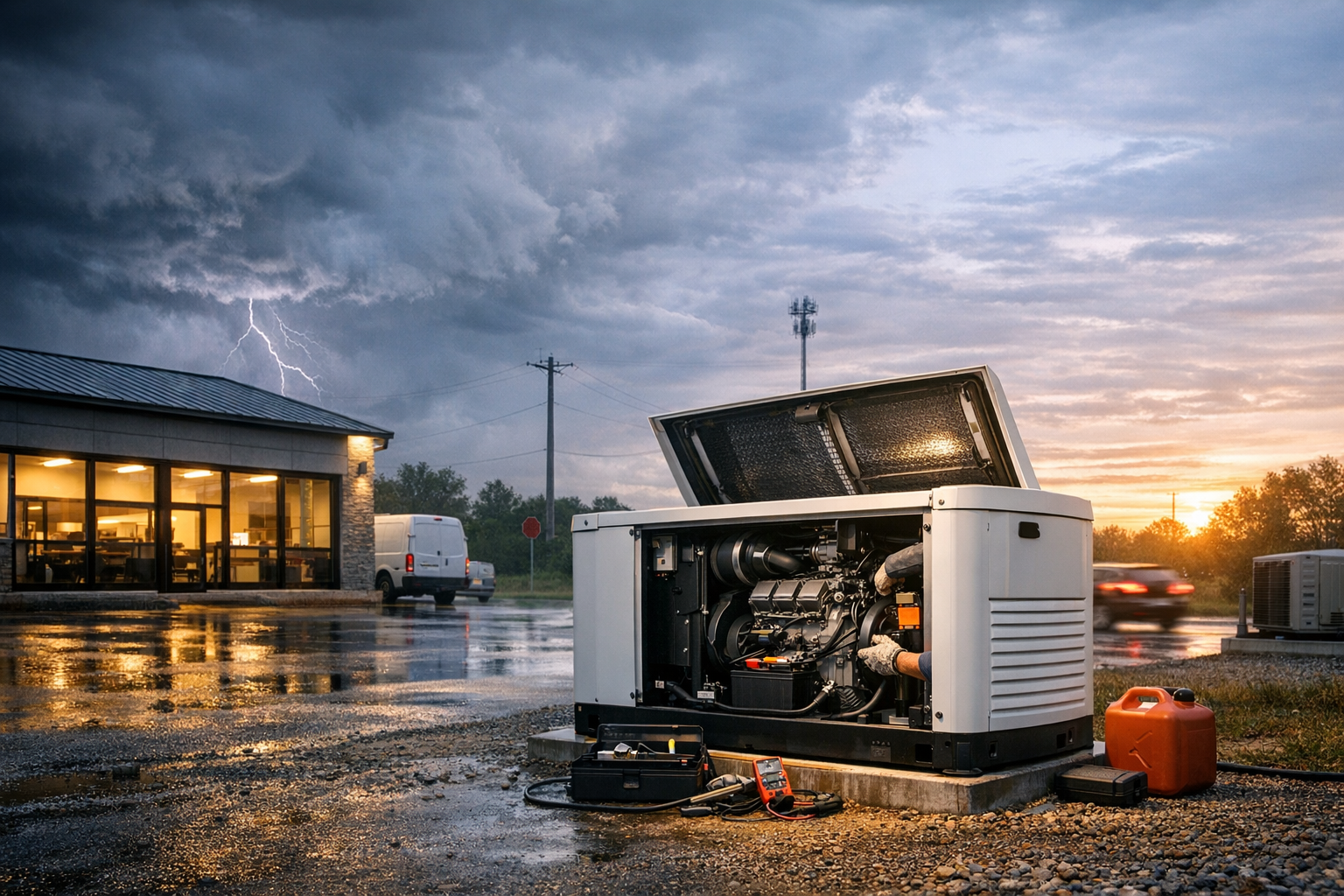
If you own a business, you already know how fast weather can change plans. One minute the forecast looks fine, and the next minute you are dealing with a storm, a power issue, or a surprise cold snap that puts your operation at risk. That is exactly why generator service should not be an afterthought.

The best time to schedule generator service is before weather gets unpredictable, not after it already has. A generator that sits unused for long stretches can still fail when you need it most. Regular service keeps it ready, helps prevent expensive breakdowns, and gives you one less thing to worry about when business gets busy.

For small business owners in Counce, TN, Savannah, TN, Cherokee, AL, Iuka, MS, and Corinth, MS, this matters more than most people realize. Power interruptions can hurt refrigeration, customer comfort, office equipment, jobsite productivity, and even your ability to answer calls or process payments. If customers are searching for generator service near me, they are usually already dealing with a problem. Smart owners get ahead of it.

Why timing matters more than most people think

Generator service is one of those tasks that is easy to delay because everything seems fine right now. That is the problem. Equipment often fails when demand suddenly increases, not when it is sitting still.

Weather in this region can shift quickly. Heavy rain, high winds, ice, and thunderstorms can all show up with very little warning. If your generator has not been checked recently, you may not discover a weak battery, clogged filter, worn part, or fuel issue until the power is already out.

For a small business owner, that kind of delay can mean lost sales, damaged inventory, frustrated employees, and a bad customer experience. If your website promotes dependable service, your building and equipment should match that promise in real life.

The best time to schedule is before peak weather season

The smartest window for generator service is before the seasons that usually bring the most weather trouble. For many businesses in northwest Tennessee and northeast Mississippi, that means getting ahead of spring storms and late summer heat, then checking again before colder weather settles in.

That timing gives you room to handle repairs without rushing. It also helps you avoid the last-minute scramble that happens when everyone else starts calling at once.

Waiting until the first severe storm warning is a gamble. Service calls get booked quickly, parts can take longer to arrive, and the stress level goes up fast. Scheduling early means your generator is already ready when the weather turns.

What generator service should cover

Good generator service is not just a quick look under the hood. It should involve a full check of the parts that keep the system reliable when your building loses power.

  • Battery inspection and testing

  • Fuel system check

  • Oil and filter review

  • Transfer switch inspection

  • Load testing

  • Coolant and fluid checks

  • Wiring and connection inspection

  • General startup and performance testing

That kind of service helps catch small issues before they become expensive downtime. If you run a shop, office, restaurant, or jobsite, those small issues can turn into a major interruption during your busiest day.

How this connects to website performance and lead generation

There is a business side to generator service that many owners overlook. When your power stays on, your website stays accessible, your phone lines stay active, and your online booking tools keep working. That matters whether you sell retail goods, schedule service calls, or rely on walk-in traffic.

If your building loses power and your systems go down, customers may move on to another business before you even know they tried to reach you. A dependable generator protects more than equipment. It protects lead generation.

Think about the basics. A customer searches for your company online, visits your website, sees your services, and calls to schedule. If the power is out and your systems are offline, that lead is gone. Strong generator maintenance supports the same kind of steady response your website should deliver.

That is also why local businesses should keep their web content fresh. Pages that clearly mention generator service, backup power, emergency availability, and local service areas like Counce, TN, Savannah, TN, Cherokee, AL, Iuka, MS, and Corinth, MS help customers find you when they are searching for help near me. Good SEO gets them to your site. Reliable power helps you answer them.

Why small business owners should not wait for the first outage

A lot of owners assume generator problems are obvious. They are not. Many systems show warning signs long before they fail, but those signs are easy to miss if no one is checking.

Maybe the battery is getting weak. Maybe the system has not run under load in months. Maybe the fuel is not in ideal shape. Maybe the unit starts, but not as quickly as it should. Any one of those issues can create a problem right when the weather turns.

For a small business, the cost of one missed day can easily outweigh the cost of routine maintenance. That is true for offices in Savannah, TN, shops in Corinth, MS, service businesses in Iuka, MS, and facilities in Cherokee, AL and Counce, TN. Power interruptions do not care how small the issue was before they happened.

A real local example

Picture a small family-run bait and tackle shop in Counce, TN that also serves weekend traffic headed toward Pickwick Lake. The owners depend on refrigeration for drinks and bait, point-of-sale equipment for sales, and a website that brings in visitors searching for local businesses near me before they make the drive.

They had a generator, but they had not serviced it since the previous year. Everything seemed fine until a storm rolled through and knocked power out for several hours. The generator started, then shut down because of a battery issue that could have been caught ahead of time.

That one problem led to warm coolers, stopped transactions, and missed sales from people who had found them through a search for local service in Counce, TN. The owners ended up calling for emergency help after the damage was already done.

Now compare that to a similar business in Savannah, TN, a hardware store in Cherokee, AL, a medical office in Iuka, MS, or a repair shop in Corinth, MS that schedules generator service before storm season. Their systems are tested, their weak points are fixed early, and their website and phone lines stay dependable when customers need them most. That is the difference routine maintenance makes.

How generator service supports your marketing and reputation

Most small business owners put a lot of effort into getting found online. They invest in website updates, local SEO, content marketing, and lead generation because they want more calls, more visits, and more booked jobs. Generator service may not seem connected to that work, but it absolutely is.

If your business is known for being dependable, that reputation should show up in every part of the customer experience. A working generator helps keep your operation stable during bad weather, and that stability supports the promise your website makes.

It also helps with customer trust. People notice when a business is prepared. They notice when you stay open, answer calls, and keep things moving even when the weather is rough. That kind of reliability is worth more than a polished headline on a homepage.

Actionable takeaways for business owners

If you want to stay ahead of weather-related trouble, keep these simple steps in mind.

  • Schedule generator service before storm season, not after the first outage

  • Build generator checks into your regular maintenance plan

  • Ask for load testing, not just a visual inspection

  • Review batteries, fuel, filters, and transfer switches every time service is done

  • Make sure your staff knows who to call if the system fails

  • Keep your website updated with current service areas and emergency information

  • Use local content that helps nearby customers in Counce, TN, Savannah, TN, Cherokee, AL, Iuka, MS, and Corinth, MS find you fast

Those steps do not take much time, but they can save you a lot of stress. They also support your broader business goals by keeping operations steady and helping customers reach you when it matters.

Bottom line

The best time to schedule generator service is before weather gets unpredictable. That gives you time to fix problems, avoid emergency calls, and keep your business running when others are scrambling.

For small business owners, generator service is not just about equipment. It is about protecting sales, keeping your website and phone lines working, and making sure customers can count on you in every season. Whether you are in Counce, TN, Savannah, TN, Cherokee, AL, Iuka, MS, or Corinth, MS, getting ahead of the weather is simply good business.

📞 Harbin Heating & Air Conditioning — 731-689-3651

Why Your Hot Water Runs Out Faster in Spring and What It Means

If your hot water seems to disappear faster once spring rolls around, you are not imagining it. A lot of small business owners notice this shift and assume the water heater is getting old or something is broken. Sometimes that is true. But often, the cause is less dramatic and easier to fix.

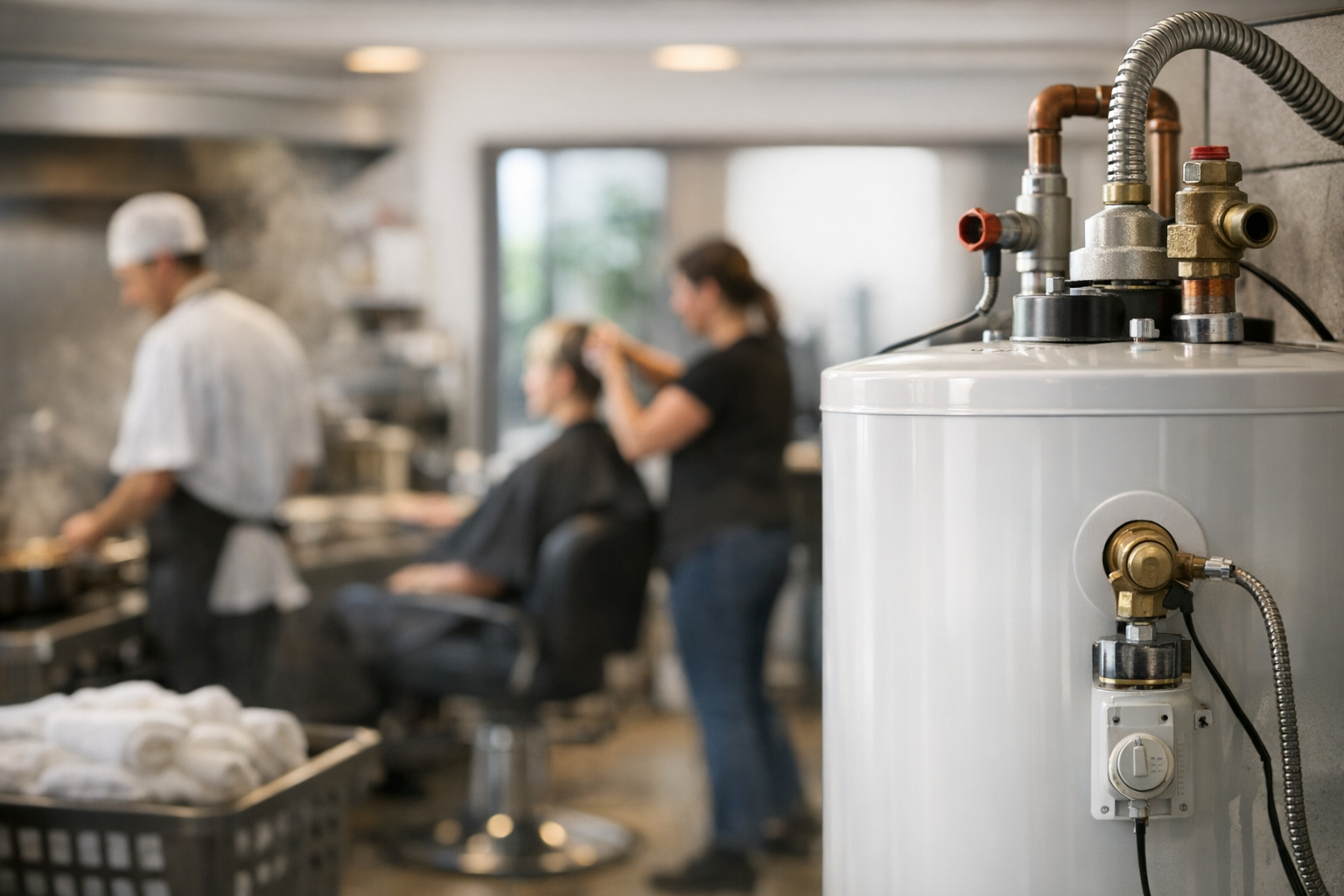
Spring brings changes in water temperature, usage patterns, and even how hard your system has to work. That matters whether you run a small office, a salon, a restaurant, a shop, or a rental property. When hot water runs out faster, it can slow down your business, frustrate employees, and create avoidable service calls.

For businesses in Counce, TN, Savannah, TN, Cherokee, AL, Iuka, MS, and Corinth, MS, this is a common seasonal issue. And if you are searching for plumbing help near me, it helps to understand what is going on before the problem turns into downtime.

Why spring changes your hot water supply

One big reason hot water seems to run out faster in spring is incoming water temperature. During colder months, the water entering your tank is much colder. By spring, that water starts warming up a little, but the change is not always as simple as it sounds.

As the seasons shift, your water heater may cycle differently. Sediment buildup, aging parts, and poor efficiency become more noticeable when demand changes. A system that felt fine in winter may suddenly struggle once the workload changes at your business.

There is also a practical side to this. In spring, many businesses increase cleaning, add seasonal employees, and prepare for more customer traffic. That means more handwashing, more dishwashing, more laundry, and more demand on the same tank.

It is not always the heater’s fault

Before assuming your unit is failing, look at how the building is being used. A small café in Savannah, TN might be using more hot water for cleaning prep areas and washing dishes now that the tourist season is picking up. A salon in Corinth, MS may be washing more towels as appointment volume increases. A shop in Cherokee, AL might have staff back on-site more often, which adds to bathroom and breakroom use.

That kind of increased demand can empty a tank faster even if the water heater is still working. In other words, the problem may be usage, not just equipment.

Still, if your hot water disappears much sooner than it used to, there is a good chance your system needs attention.

Common reasons hot water runs out faster in spring

Several issues can make a water heater feel weaker this time of year:

  • Sediment buildup inside the tank reducing capacity and heating efficiency

  • A failing heating element or burner that cannot keep up with demand

  • A thermostat that is set too low or not reading correctly

  • Hot water usage increasing as your business gets busier

  • A tank that is too small for the building’s actual needs

  • Poor insulation on pipes or the tank itself, causing heat loss

Some of these are quick fixes. Others point to a bigger decision, like repairing or replacing the water heater before the next busy season.

What this means for your business

Hot water problems do more than create inconvenience. They can affect the way customers see your business and the way your team works.

If you own a restaurant in Iuka, MS and the kitchen runs out of hot water during lunch prep, staff may have to slow down or stop operations until the system catches up. If you run a hair salon in Savannah, TN, inconsistent water temperature can interrupt service and create a bad customer experience. If you manage a small office in Counce, TN, even a simple issue like weak hot water in the restroom can reflect poorly on the entire property.

That matters for your online reputation too. Customers do not always leave a review about a water heater directly, but they do mention comfort, cleanliness, and reliability. Those details affect local SEO performance, your business profile, and the kind of lead generation you get from search. When people look up local businesses near me, they often compare reviews, photos, and service quality before they ever make a call.

How to tell whether the problem is getting worse

There is a difference between a small seasonal change and a water heater that is on its last leg. If you notice one warm shower running out a little earlier than usual, that may just be spring demand. If hot water is suddenly limited across the building, that points to a bigger issue.

Watch for these warning signs:

  • Water takes longer to heat up than usual

  • The supply feels inconsistent from one use to the next

  • There are rumbling or popping sounds from the tank

  • Water looks rusty or has a strange smell

  • Your utility bills are creeping up without a clear reason

  • The water heater is over 8 to 12 years old and has not been maintained regularly

If several of these show up at once, the system should be checked sooner rather than later.

A real local example

Take a small family-owned bed and breakfast in Corinth, MS. Spring is a busy time. Guests come through for weekend trips, local events, and fishing season. The owner notices that morning showers are cutting it close, and the kitchen is running out of hot water while breakfast is being prepared.

At first, it feels like a simple nuisance. But after a quick inspection, the issue turns out to be sediment buildup in an older tank and a thermostat that is not holding temperature consistently. The property had also added a cleaning service, which increased hot water use behind the scenes.

That same kind of issue can hit a café in Iuka, MS, a retail shop in Cherokee, AL with an employee breakroom, a professional office in Savannah, TN, or a small equipment shop in Counce, TN. In every case, hot water problems affect operations, customer comfort, and the way the business appears online. If someone is searching your business near me and sees complaints about cleanliness or service speed, that can impact trust before they ever call.

What smart business owners should do next

If your hot water is disappearing too fast, do not wait for a full failure. A little attention now can prevent a costly interruption later.

  • Check how much hot water your business is using on a typical spring day

  • Look for signs of sediment, leaks, or temperature inconsistency

  • Ask whether your water heater is sized correctly for current demand

  • Schedule routine maintenance before peak season

  • Pay attention to customer complaints or staff reports about water temperature

  • Work with a local pro who understands commercial needs, not just residential ones

This is also a good time to review your website content and local service pages. If your site clearly explains your plumbing, heating, or HVAC services for businesses in Counce, TN, Savannah, TN, Cherokee, AL, Iuka, MS, and Corinth, MS, it becomes easier to capture local leads when someone searches for help near me. Good content marketing does not just bring clicks. It helps turn seasonal problems into real calls.

Why this matters to your customer pipeline

Water heater problems are a reminder that people search when they need help fast. If your business provides service and your site speaks clearly to local customers, you are more likely to get the call before your competitors do.

That is true for Harbin Heating & Air Conditioning too. When people in the area need fast, dependable help, they are not looking for a long sales pitch. They want a clear answer, a local company, and a team that knows what it is doing. Strong website performance, local SEO, and helpful content all work together to build that trust.

So if your hot water is running out faster this spring, think of it as more than a plumbing annoyance. It may be the first sign that your system needs service, your usage has changed, or your business needs a better maintenance plan.

Bottom Line

Spring hot water problems are common, but they are not something to ignore. A tank that runs out faster may be dealing with sediment, wear, poor sizing, or heavier seasonal use. For a small business, that can affect daily operations, customer comfort, and even the way your company shows up online.

Whether you run a storefront in Savannah, TN, a restaurant in Corinth, MS, a service shop in Cherokee, AL, an office in Counce, TN, or a local business in Iuka, MS, the smartest move is to catch the issue early. That protects your equipment, your schedule, and your reputation.

When you need help, choose a local team that understands the demands of real businesses and can keep things moving without the guesswork.

📞 Harbin Heating & Air Conditioning — 731-689-3651

Why a Smart Thermostat Makes More Sense During Spring Temperature Swings

Spring sounds simple on paper. Warm afternoons, cool mornings, a few rainy days, and then suddenly a 30-degree shift by sunset. If you run a small business, you already know that kind of weather can make your building feel comfortable one hour and stuffy or chilly the next. That is exactly where a smart thermostat starts to earn its keep.

For business owners in Counce, TN, Savannah, TN, Cherokee, AL, Iuka, MS, and Corinth, MS, spring is not the time for guesswork. It is the time for control. A smart thermostat helps you stay ahead of the temperature swings, keep employees comfortable, and avoid wasting money on heating and cooling when the weather cannot make up its mind.

Spring Weather Creates Real Problems for Small Businesses

Spring is one of the hardest seasons on a commercial HVAC system. One morning may call for heat, the afternoon may need cooling, and after sunset the building can drop fast again. If your thermostat is manual or outdated, someone has to keep adjusting it all day.

That may not sound like a big deal, but it adds up quickly. Employees get distracted. Customers notice when the lobby feels too hot or too cold. Energy bills rise because the system is cycling more than necessary. And if you manage several local businesses or a busy office near me in a town like Savannah or Corinth, those small comfort issues can turn into bigger complaints fast.

A smart thermostat helps smooth out those swings by automatically adjusting to changing conditions. Instead of reacting after the building is already uncomfortable, it responds in real time.

Why a Smart Thermostat Makes More Sense Than a Manual One

The main advantage is simple: a smart thermostat gives you better control without more work. It learns patterns, adapts to schedules, and lets you adjust settings from your phone or computer. That matters when you are running a business and do not have time to stand at the wall unit all day making changes.

In spring, this can be especially helpful for businesses with irregular traffic. A dental office in Iuka may be full in the morning and quiet by midafternoon. A small retail shop in Cherokee may see more foot traffic on weekends than weekdays. A restaurant in Counce might need a different temperature pattern during lunch than after closing. A smart thermostat can handle those changes without constant manual input.

It also helps reduce unnecessary HVAC wear. When systems are forced to overwork because the temperature keeps being adjusted by hand, they can cycle too often. Over time, that can lead to more service calls and shorter equipment life. For a small business, fewer breakdowns and fewer emergency repair bills are a real win.

Comfort Matters to Customers and Employees

Comfort is not just about feeling nice. It affects how people experience your business. If a customer walks into a storefront in Savannah and it feels muggy inside, they may not stay as long. If employees in a Corinth office are constantly reaching for a sweater or fanning themselves, focus and productivity can slip.

That is especially important for customer-facing businesses like salons, clinics, retail shops, offices, and service counters. A stable indoor temperature makes the space feel more professional and welcoming. It also creates a better first impression, which can be the difference between a one-time visitor and a repeat customer.

For business owners thinking about website performance, SEO, or lead generation, this may sound indirect, but it is not. People often search for terms like HVAC near me, heating and cooling company near me, or best local businesses in town based on reputation and comfort. If your physical location is consistently pleasant, you are more likely to get positive reviews, repeat visits, and referrals. Those reviews can improve local search visibility and help your business stand out online.

Better Energy Use Means Better Business Costs

Spring temperature swings can create a hidden energy drain. If your HVAC system is set too high in the morning and too low in the afternoon, it may run more than needed. That extra runtime can show up on your utility bill month after month.

A smart thermostat helps control those swings with more precision. Many models allow scheduling, occupancy settings, and remote control, so you can reduce energy use when the building is empty and bring it back to a comfortable level before people arrive.

For small businesses in places like Iuka and Cherokee, where every dollar matters, this kind of control can make a real difference. Saving on energy costs frees up money for payroll, marketing, repairs, or content marketing efforts that help bring in more leads.

And there is another practical advantage. When your HVAC system is not being pushed unnecessarily, it tends to perform more efficiently. That can help reduce stress on the equipment during a season when it is already dealing with quick temperature changes.

Remote Access Helps You Stay in Control

One of the biggest reasons business owners switch to smart thermostats is remote access. If the weather changes suddenly and you are not at the building, you can still make adjustments from your phone.

That matters for busy owners who split time between the office, the job site, and home. It also matters if you manage a building that is not occupied every day. Maybe you own a small office in Corinth and a second location in Savannah. Maybe you are checking in on a shop in Counce while handling errands in nearby towns. Remote control keeps you from making a separate trip just to change the temperature.

This kind of convenience may seem small, but it adds up. Less time spent managing comfort means more time spent on the parts of your business that actually generate revenue.

A Smart Thermostat Supports Smarter Marketing Too

There is a marketing side to this conversation that many business owners overlook. When people have a better experience inside your building, they are more likely to leave positive feedback, mention your business to others, and come back again. That supports your local reputation in a way that online ads alone cannot.

If your business has a website, that reputation can help your performance there too. More reviews, more repeat visits, and more word-of-mouth all contribute to stronger local visibility. That is especially true for businesses competing for searches tied to local intent, such as HVAC near me, office services near me, or the best local businesses in Savannah, TN and surrounding areas.

Good comfort does not replace marketing, but it supports it. A smart thermostat is part of a better customer experience, and customer experience is part of lead generation.

A Real Local Example

Take a realistic small business like a family-owned insurance office in Corinth, MS with a second meeting space used occasionally in Savannah, TN. The owner opens at 8 a.m., sees a rush midmorning, and then has a quieter afternoon. On a spring day, the morning starts cool enough for heat, but by lunchtime the sun warms the office quickly. If the thermostat is left on a fixed setting, the staff may keep changing it by hand, which wastes time and can make the office feel inconsistent.

Now picture the same office with a smart thermostat. The system is set to warm the space early, then ease off as the day heats up. If the owner leaves for lunch or steps out to visit another location in Counce, they can check the temperature from their phone. If a sudden warm front rolls through Iuka or Cherokee and the building starts to feel stuffy, they can adjust it immediately without waiting until the next scheduled service call.

That is the kind of practical improvement that affects daily operations. Staff stay comfortable, customers feel welcome, and the owner spends less time dealing with temperature complaints. Over time, that kind of smooth experience helps the business look more reliable, both in person and online.

What to Look for in a Smart Thermostat

Not every smart thermostat is the same, and the right one depends on your building and how you use it. A small office, a retail shop, and a restaurant will all have different needs.

  • Scheduling that matches your business hours

  • Remote access through a phone or computer

  • Energy reports that show how your system is performing

  • Compatibility with your current HVAC equipment

  • Easy controls for staff who may need temporary adjustments

  • Features that help reduce heating and cooling during empty hours

If you are not sure which model fits your space, that is where professional guidance matters. A proper setup can make the difference between a thermostat that saves you money and one that only adds confusion.

Actionable Takeaways for Small Business Owners

If spring weather keeps throwing your building off balance, there are a few smart steps you can take right away.

  • Check whether your current thermostat still fits your schedule and building use

  • Look for signs of uneven comfort, like hot spots, cold corners, or frequent complaints

  • Review your energy bills for signs of excessive HVAC runtime

  • Consider whether remote access would save you time during the workday

  • Make sure your HVAC system is serviced before summer heat arrives

  • Use better indoor comfort as part of your customer experience and local reputation

For many business owners, the smartest move is not just buying new equipment. It is making sure the system you already have works better for your actual day-to-day needs.

Bottom Line

Spring temperature swings are hard on businesses, but they do not have to create daily headaches. A smart thermostat gives you better control, better comfort, and better efficiency when the weather keeps changing its mind.

For small businesses in Counce, TN, Savannah, TN, Cherokee, AL, Iuka, MS, and Corinth, MS, that means fewer complaints, better energy management, and a more professional customer experience. It also supports the kind of reputation that helps with local SEO, stronger reviews, and more leads over time.

If your building still relies on constant manual adjustments, spring is the right time to make a change. A smarter thermostat is a small upgrade that can pay off in a big way.

📞 Harbin Heating & Air Conditioning — 731-689-3651