Please ensure Javascript is enabled for purposes of website accessibility

Spring Water Heater Maintenance Checklist: What Homeowners Should Do Now

Spring is a time for fresh starts — and that should include your water heater.

Across West Tennessee and North Mississippi, homeowners in Counce, Pickwick, Savannah, Hardin County, Corinth, MS, and surrounding areas are preparing their homes for warmer weather and increased usage.

While HVAC systems often get the spotlight this time of year, your water heater works just as hard — and a little maintenance now can prevent costly repairs and unexpected breakdowns later.

Why Spring Is the Right Time for Water Heater Maintenance

During winter, your water heater works overtime to keep up with demand.

By spring, it may have:

  • Sediment buildup

  • Increased wear on components

  • Reduced efficiency

Preparing your system now helps ensure it continues to operate reliably through the months ahead.

1️⃣ Flush the Tank to Remove Sediment

Over time, minerals in your water settle at the bottom of the tank.

This sediment buildup can:

  • Reduce heating efficiency

  • Cause popping or rumbling noises

  • Shorten the life of your system

  • Lead to overheating and damage

Flushing the tank helps remove this buildup and restore performance.

2️⃣ Check the Pressure Relief Valve

The temperature and pressure (T&P) relief valve is a critical safety component.

It helps release excess pressure inside the tank.

If this valve isn’t working properly, it can lead to:

  • Pressure buildup

  • Leaks

  • Potential safety risks

Testing the valve ensures your system is operating safely.

3️⃣ Inspect for Leaks and Corrosion

Take a few minutes to visually inspect your water heater.

Look for:

  • Water pooling around the base

  • Rust or corrosion on the tank

  • Drips from connections or valves

Even small leaks can lead to larger problems if left unaddressed.

4️⃣ Check Temperature Settings

Most water heaters are set higher than necessary.

Lowering the temperature to around 120°F can:

  • Reduce energy usage

  • Lower utility bills

  • Prevent scalding

  • Extend the life of your system

This simple adjustment can make a noticeable difference.

5️⃣ Inspect the Anode Rod

The anode rod helps protect your tank from corrosion.

Over time, it wears down and needs to be replaced.

If the rod is depleted, the tank becomes more vulnerable to rust and leaks.

Checking and replacing the anode rod can significantly extend the life of your water heater.

6️⃣ Schedule Professional Maintenance

While some tasks can be handled by homeowners, a professional inspection ensures everything is working properly.

A technician can:

  • Check internal components

  • Identify hidden issues

  • Ensure safe operation

  • Recommend repairs or replacement if needed

This step helps prevent unexpected failures.

Benefits of Regular Water Heater Maintenance

Taking time for maintenance now can provide long-term benefits:

✔ Improved energy efficiency
✔ Lower utility bills
✔ Extended system lifespan
✔ Reduced risk of leaks
✔ Reliable hot water supply

For homeowners across the Mid-South, these benefits make routine maintenance well worth the effort.

Don’t Wait for a Problem to Appear

Water heaters often show warning signs before they fail — but many homeowners don’t notice until it’s too late.

Spring is the perfect time to get ahead of potential issues and ensure your system is ready for the months ahead.

Keep Your Hot Water Flowing

If your water heater hasn’t been inspected recently, now is the time to take action.

For homeowners in West Tennessee and North Mississippi, regular maintenance can help prevent costly repairs and keep your home running smoothly.

📞 Harbin Heating & Air Conditioning — 731-689-3651

A little maintenance today can keep the hot water flowing tomorrow — without surprises.

Storm Season Is Here: Why Now Is the Best Time to Install a Home Generator

Spring in West Tennessee and North Mississippi doesn’t just bring warmer weather — it also marks the start of storm season.

High winds, heavy rain, and lightning can quickly lead to power outages, leaving homes without electricity when it’s needed most.

For homeowners in Counce, Pickwick, Savannah, Hardin County, Corinth, MS, and surrounding areas, installing a home generator now is one of the smartest ways to stay prepared.

Why Spring Is Prime Time for Power Outages

Storm systems during spring are often unpredictable and can cause:

  • Downed power lines

  • Tree damage

  • Widespread outages

  • Extended restoration times

Even short outages can disrupt your daily routine — and longer outages can create serious problems.

Why You Should Install Before You Need It

One of the biggest mistakes homeowners make is waiting until after a major outage to consider a generator.

By that time:

  • Installation schedules are backed up

  • Equipment availability may be limited

  • Demand is at its highest

Planning ahead ensures your home is ready before the next storm hits.

Benefits of Installing a Generator Now

Installing a generator before peak season provides several advantages:

✔ Faster installation timelines
✔ Better equipment availability
✔ Time to properly size and plan your system
✔ Peace of mind before storm season intensifies

What a Home Generator Protects

A properly installed generator can keep your home running during outages by powering:

  • HVAC systems

  • Refrigerators and freezers

  • Lights and electronics

  • Medical equipment

  • Essential appliances

This helps maintain both comfort and safety.

Automatic Protection When You Need It Most

Modern standby generators operate automatically.

When the power goes out:

  1. The system detects the outage

  2. The generator starts within seconds

  3. Power is restored to your home

No manual setup. No hassle.

Avoid the Stress of Unexpected Outages

Power outages are inconvenient at best — and stressful at worst.

Without a generator, homeowners may face:

  • Food spoilage

  • Loss of heating or cooling

  • Disrupted routines

  • Safety concerns

Installing a generator helps eliminate these risks.

Be Ready Before the Next Storm

Storm season is already here — and the best time to prepare is before the next outage occurs.

For homeowners across West Tennessee and North Mississippi, early planning ensures your home stays powered no matter what the weather brings.

📞 Harbin Heating & Air Conditioning — 731-689-3651

Stay prepared, stay comfortable, and stay in control — even when the power goes out.

Why Your Energy Bills Spike in Spring — And How Your HVAC System Plays a Role

If you’ve noticed your energy bills creeping up this time of year, you’re not alone.

Across West Tennessee and North Mississippi, homeowners in places like Counce, Pickwick, Savannah, Hardin County, Corinth, MS, and surrounding areas often see unexpected spikes in energy costs during the spring months.

It may seem strange — after all, temperatures aren’t at their peak yet. But your HVAC system is working harder than you think.

Why Spring Energy Bills Can Increase

Spring brings constant temperature swings.

Cool mornings turn into warm afternoons, and your HVAC system is forced to adjust throughout the day.

This leads to:

  • Frequent system cycling

  • Increased runtime

  • Higher energy usage

Your system is essentially working overtime to keep up with unpredictable conditions.

Humidity Plays a Bigger Role Than You Think

In the Mid-South, spring doesn’t just bring warmer temperatures — it brings humidity.

Even when temperatures feel mild, your HVAC system is working to remove moisture from the air.

This extra workload can:

  • Increase energy consumption

  • Make your system run longer

  • Impact overall comfort

That’s why your home may feel warmer or “sticky” even when the thermostat looks right.

Air Leaks and Insulation Issues

Spring is when hidden inefficiencies start to show.

If your home has:

  • Drafty windows and doors

  • Poor insulation

  • Leaky ductwork

Cool air can escape, forcing your system to run longer to maintain temperature.

This not only increases energy use but also reduces comfort.

Dirty or Unmaintained HVAC Systems

If your system hasn’t been serviced recently, it may not be running efficiently.

Common issues include:

  • Dirty air filters

  • Dust buildup on coils

  • Reduced airflow

These problems force your system to work harder, leading to higher energy bills.

How to Lower Your Energy Bills This Spring

The good news is that small changes can make a big difference.

Replace Your Air Filter

A clean filter improves airflow and helps your system run more efficiently.

Schedule a Spring Tune-Up

Professional maintenance ensures your system is ready for the season and operating at peak performance.

Seal Air Leaks

Addressing gaps around windows, doors, and ducts helps keep conditioned air inside.

Upgrade to Energy-Efficient Equipment

Modern systems are designed to use less energy while delivering better comfort.

Get Ahead of Rising Energy Costs

Spring is the perfect time to take control of your energy usage before summer heat drives bills even higher.

For homeowners across West Tennessee and North Mississippi, a few proactive steps now can lead to noticeable savings all season long.

📞 Harbin Heating & Air Conditioning — 731-689-3651

Lower your energy bills and improve your comfort before the heat of summer arrives.

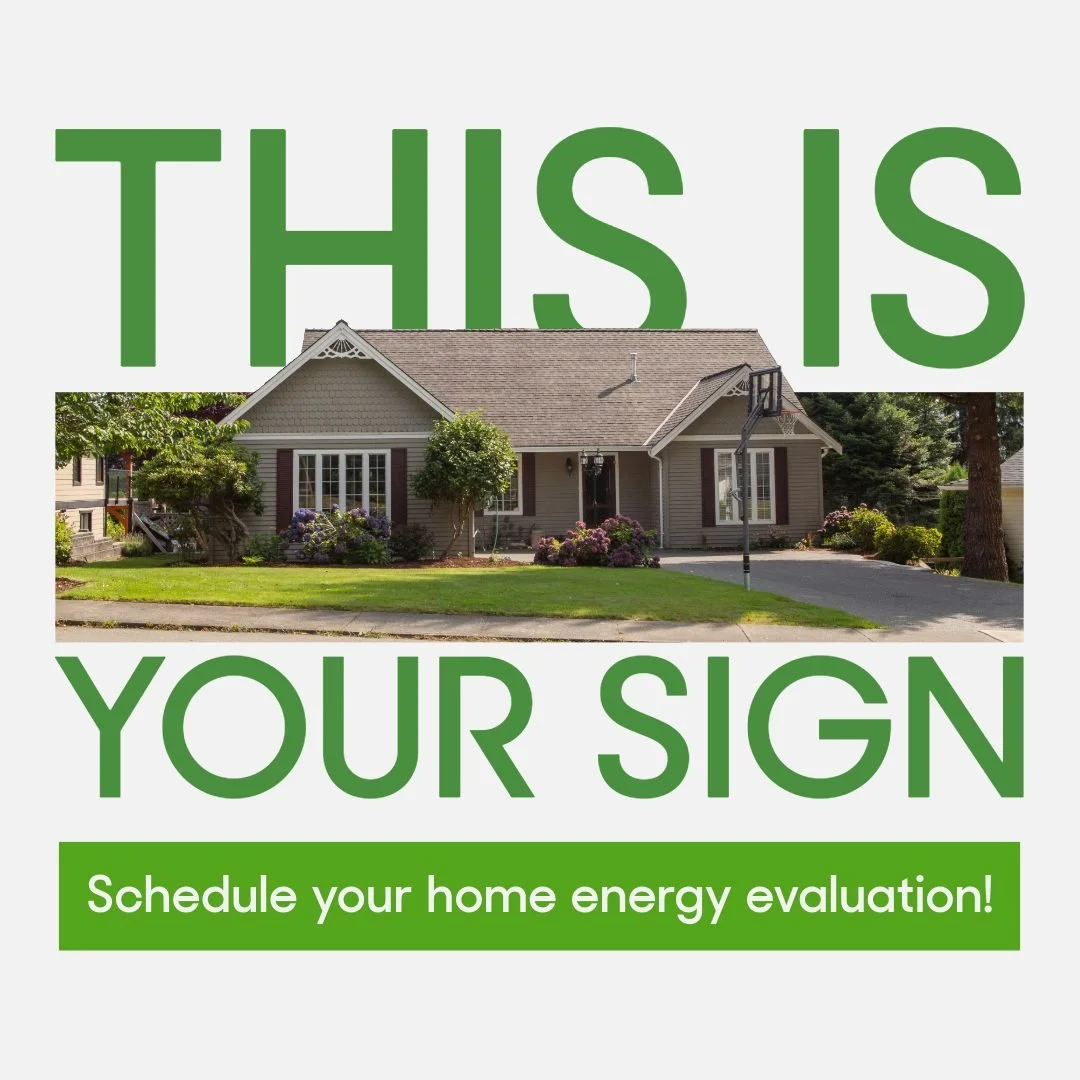
This Is Your Sign: Why a Home Energy Evaluation Is One of the Smartest Things You Can Do This Spring

If you’ve been wondering whether your home is running as efficiently as it should…
this is your sign.

As spring settles in across West Tennessee and North Mississippi, it’s the perfect time to take a closer look at how your home uses — and loses — energy.

A home energy evaluation is one of the easiest ways to uncover hidden inefficiencies, lower your utility bills, and improve comfort before the summer heat arrives.

What Is a Home Energy Evaluation?

A home energy evaluation is a professional assessment of how your home performs when it comes to energy use.

Led by a trusted home energy advisor, this evaluation looks at the systems and areas that impact your comfort and energy costs the most.

It’s not guesswork — it’s a guided process that helps you understand exactly where your home may be losing energy.

What Does an Energy Advisor Check?

During a home energy evaluation, several key areas are reviewed:

Insulation Levels

Proper insulation helps keep cool air inside during summer and warm air inside during winter.

If insulation is lacking or uneven, your HVAC system has to work harder to maintain comfort.

Air Leaks

Small gaps around doors, windows, and ductwork can allow air to escape.

Even minor leaks can lead to significant energy loss over time.

HVAC System Performance

Your heating and cooling system is one of the biggest energy users in your home.

An evaluation helps determine if your system is operating efficiently or if improvements are needed.

Ductwork Condition

Leaky or poorly sealed ducts can waste a large percentage of conditioned air before it ever reaches your living space.

Overall Energy Usage

The evaluation gives you a full picture of how your home consumes energy — and where improvements can make the biggest impact.

Why Homeowners Are Scheduling Evaluations This Spring

As temperatures begin to rise in Counce, Pickwick, Savannah, Hardin County, Corinth, MS, and surrounding areas, homeowners are looking for ways to:

  • Lower energy bills before summer

  • Improve indoor comfort

  • Reduce strain on HVAC systems

  • Prepare for peak cooling season

A home energy evaluation helps you take a proactive approach instead of reacting to high energy bills later.

The Benefits of a Home Energy Evaluation

A professional evaluation provides more than just information — it gives you a clear plan for improvement.

Homeowners often gain:

✔ A better understanding of energy use
✔ Identified problem areas in the home
✔ Recommendations for cost-saving upgrades
✔ Improved comfort throughout the home
✔ Lower monthly utility costs over time

It’s one of the simplest ways to make smarter decisions about your home.

Small Changes Can Make a Big Difference

One of the biggest surprises for homeowners is how small improvements can lead to meaningful savings.

Things like:

  • Sealing air leaks

  • Improving insulation

  • Upgrading HVAC components

  • Adjusting system settings

Can all add up to lower energy usage and better performance.

Get Ahead of Summer Energy Costs

The worst time to think about energy efficiency is during the hottest days of the year — when your system is already working overtime.

Spring is the ideal time to schedule an evaluation so you can:

  • Identify issues early

  • Make improvements before peak demand

  • Avoid unnecessary energy waste

  • Stay comfortable all season long

Schedule Your Home Energy Evaluation Today

If you’ve been looking for a sign to take control of your home’s energy efficiency…
this is it.

👉 Schedule your home energy evaluation here:
http://tva.me/LZ6M50Yn0Vz

Improve Comfort, Lower Costs, and Take Control of Your Energy Use

For homeowners across West Tennessee and North Mississippi, a home energy evaluation is a simple step that can lead to long-term savings and improved comfort.

📞 Harbin Heating & Air Conditioning — 731-689-3651

Find out how your home uses energy — and start making it work smarter for you.

How Energy-Efficient Water Heaters Can Lower Your Utility Bills in 2026

Hot water is something most homeowners don’t think about — until it runs out or the energy bill shows up.

For homes across West Tennessee and North Mississippi, including Counce, Pickwick, Savannah, Hardin County, Corinth, MS, and surrounding areas, water heaters account for a significant portion of monthly energy use.

If your system is older, it may be costing you more than you realize.

Upgrading to an energy-efficient water heater in 2026 can help reduce utility bills, improve performance, and provide more reliable hot water for your home.

Why Water Heaters Use So Much Energy

Water heaters work continuously to keep water hot and ready for use.

Traditional tank systems maintain a full tank of heated water at all times — even when no one is using it.

This leads to standby heat loss, which means energy is constantly being used to maintain temperature.

Over time, this can significantly increase your utility bills.

How New Water Heaters Improve Efficiency

Modern water heaters are designed to use less energy while delivering better performance.

Advancements include:

  • Improved insulation to reduce heat loss

  • More efficient heating elements or burners

  • Faster recovery times

  • Smart temperature controls

These improvements help reduce energy waste and improve overall system efficiency.

Tank vs Tankless Efficiency

When upgrading, homeowners typically choose between traditional tank systems and tankless water heaters.

Tank Water Heaters

Newer tank models are more efficient than older units due to better insulation and improved components.

Benefits include:

✔ Lower upfront cost
✔ Reliable performance
✔ Improved efficiency compared to older systems

Tankless Water Heaters

Tankless systems heat water only when needed, eliminating standby heat loss.

Benefits include:

✔ Higher energy efficiency
✔ Endless hot water supply
✔ Lower long-term operating costs
✔ Longer lifespan

For households with high hot water usage, tankless systems can provide significant savings over time.

Signs Your Current Water Heater Is Costing You More

Many homeowners don’t realize their water heater is inefficient until problems appear.

Warning signs include:

  • Rising energy bills

  • Running out of hot water quickly

  • Long recovery times

  • System age over 10 years

  • Frequent repairs

If you’re experiencing these issues, your system may be using more energy than necessary.

Long-Term Savings Add Up

Upgrading to an energy-efficient water heater provides more than immediate improvements.

Over time, homeowners often see:

  • Lower monthly utility bills

  • Reduced repair costs

  • Improved reliability

  • Longer system lifespan

These savings can offset the cost of installation and continue providing value for years.

Additional Ways to Improve Efficiency

To maximize savings, homeowners can also:

  • Lower water heater temperature settings slightly

  • Insulate exposed hot water pipes

  • Schedule routine maintenance

  • Fix leaks promptly

Combining these steps with an efficient system helps reduce overall energy use.

When to Upgrade Your Water Heater

If your water heater is nearing the end of its lifespan or struggling to keep up, upgrading before failure can help you:

  • Avoid emergency replacement costs

  • Take advantage of available rebates or incentives

  • Choose the best system for your needs

  • Improve comfort and efficiency

Planning ahead gives you more control over your investment.

Upgrade Your Comfort and Lower Your Bills

A modern, energy-efficient water heater can make a noticeable difference in both comfort and monthly expenses.

For homeowners in Counce, Pickwick, Savannah, Hardin County, Corinth, MS, and across West Tennessee and North Mississippi, upgrading your system is one of the simplest ways to improve efficiency at home.

📞 Harbin Heating & Air Conditioning — 731-689-3651

Lower your energy bills, improve your comfort, and enjoy reliable hot water — every day.

How to Choose the Right Size Generator for Your Home in West Tennessee & North Mississippi

With storm season approaching, more homeowners are investing in home generators to protect their homes from power outages.

But one of the most important — and often overlooked — decisions is choosing the right size generator.

For homeowners in Counce, Pickwick, Savannah, Hardin County, Corinth, MS, and surrounding areas, selecting the correct size ensures your home stays powered without overpaying for unnecessary capacity.

Why Generator Size Matters

Choosing the wrong generator size can create problems.

An undersized generator may:

  • Fail to power essential systems

  • Overload and shut down

  • Cause damage to connected equipment

An oversized generator may:

  • Cost more than necessary

  • Use more fuel than needed

  • Be less efficient for your home’s needs

Proper sizing ensures reliable performance and efficiency.

Step 1: Determine Your Power Needs

The first step is understanding how much power your home requires.

Homeowners typically choose between:

Essential Circuits

Powering only critical items such as:

  • Refrigerator

  • Lights

  • HVAC system

  • Medical equipment

Whole-Home Backup

Providing power to the entire home, including:

  • HVAC systems

  • Appliances

  • Electronics

  • Lighting

Your choice will significantly impact generator size.

Step 2: Calculate Electrical Load

Each appliance and system in your home uses a certain amount of power.

Technicians calculate:

  • Running watts

  • Starting watts (for motors like AC units)

  • Total load requirements

This ensures the generator can handle both startup and continuous operation.

Step 3: Consider HVAC System Requirements

Your HVAC system is often the largest power consumer in your home.

Cooling systems, in particular, require:

  • High startup power

  • Consistent energy during operation

Ensuring your generator can support your HVAC system is essential for maintaining comfort during outages.

Step 4: Choose the Right Fuel Type

Generators typically run on:

  • Natural gas

  • Propane

Fuel choice affects:

  • Installation requirements

  • Availability during outages

  • Long-term operating costs

Natural gas systems are popular because they provide a continuous fuel supply, while propane offers flexibility in areas without gas lines.

Step 5: Plan for Future Needs

When sizing a generator, it’s important to consider future changes.

Will you:

  • Add new appliances?

  • Upgrade your HVAC system?

  • Expand your home?

Planning ahead helps ensure your generator continues to meet your needs long-term.

Why Professional Sizing Is Important

Generator sizing isn’t guesswork.

Professional evaluation ensures:

✔ Accurate load calculations
✔ Proper system selection
✔ Safe installation
✔ Reliable performance during outages

For homeowners in West Tennessee and North Mississippi, working with experienced professionals helps avoid costly mistakes.

Be Ready Before the Next Outage

Storms can arrive quickly, and power outages often happen without warning.

Choosing the right generator now ensures your home is prepared when you need it most.

📞 Harbin Heating & Air Conditioning — 731-689-3651

Stay powered, stay comfortable, and protect your home with the right generator system.

Why Your Air Conditioner Struggles on the First Hot Day of the Year

Every year, it happens.

The first truly hot day hits West Tennessee and North Mississippi, and suddenly your air conditioner can’t keep up. It runs longer than usual, struggles to cool your home, or worse — stops working altogether.

For homeowners in Counce, Pickwick, Savannah, Hardin County, Corinth, MS, and surrounding areas, this is one of the most common seasonal HVAC issues.

The problem usually isn’t the heat itself — it’s what happened before the heat arrived.

Why the First Hot Day Is So Hard on Your AC

After sitting idle or running minimally during winter, your AC system hasn’t been tested under real demand.

When temperatures suddenly spike, your system is forced to:

  • Run at full capacity

  • Handle increased humidity

  • Cool your home from a higher starting temperature

This sudden workload exposes any existing issues that developed over time.

Common Reasons Your AC Struggles

Several factors can cause your system to underperform when you need it most.

Dirty Air Filters

Over time, air filters collect dust and debris.

A clogged filter restricts airflow, making it harder for your system to circulate cool air.

This can cause:

  • Reduced cooling performance

  • Longer run times

  • Increased strain on your system

Dirty Coils

Your system’s coils are responsible for transferring heat.

If they’re covered in dirt or debris, they can’t do their job effectively.

This results in:

  • Reduced efficiency

  • Poor cooling

  • Increased energy usage

Low Refrigerant

Refrigerant is essential for removing heat from your home.

If levels are low due to a leak, your system may:

  • Blow warm or lukewarm air

  • Run constantly

  • Struggle to reach the set temperature

Weak Airflow

Airflow issues can come from:

  • Blocked vents

  • Leaky ductwork

  • Failing blower components

Without proper airflow, your system can’t distribute cool air evenly.

Thermostat Issues

Sometimes the issue isn’t the HVAC system — it’s the thermostat.

Incorrect settings, poor placement, or malfunctioning sensors can cause your system to run inefficiently.

Why This Happens Every Year

Many homeowners skip spring maintenance.

Without a seasonal tune-up, small issues go unnoticed until your system is pushed to its limits — which usually happens on the first hot day.

That’s why this problem is so common across West Tennessee and North Mississippi.

Why You Shouldn’t Ignore It

If your system struggles early in the season, it’s a warning sign.

Ignoring it can lead to:

  • Higher energy bills

  • Increased wear and tear

  • More frequent repairs

  • Complete system failure during peak summer

Addressing the issue early can save money and prevent discomfort later.

Get Ahead of the Summer Heat

The best way to avoid problems is to prepare before temperatures rise.

A professional HVAC tune-up can:

✔ Improve efficiency
✔ Catch small issues early
✔ Extend system lifespan
✔ Ensure reliable performance

For homeowners in Counce, Pickwick, Savannah, Hardin County, Corinth, MS, and across West Tennessee and North Mississippi, early maintenance is key to a comfortable summer.

📞 Harbin Heating & Air Conditioning — 731-689-3651

Don’t let the first hot day catch your system off guard.

How to Prevent Water Heater Leaks Before They Cause Expensive Damage

A leaking water heater is one of those problems homeowners hope never happens — but when it does, it can quickly lead to costly repairs, water damage, and unexpected stress.

For homeowners across West Tennessee and North Mississippi, including Counce, Pickwick, Savannah, Hardin County, Corinth, MS, and surrounding areas, water heater leaks are more common than you might think — especially as systems age.

The good news? Most leaks don’t happen overnight. There are warning signs you can catch early — and simple steps you can take to prevent major damage.

Why Water Heater Leaks Are a Big Deal

Water heaters store gallons of hot water under pressure. When something goes wrong, even a small leak can quickly turn into a much bigger problem.

Leaks can lead to:

  • Water damage to floors and walls

  • Mold and mildew growth

  • Damage to nearby appliances or storage areas

  • Increased repair or replacement costs

Catching issues early is key to avoiding these expensive outcomes.

Common Causes of Water Heater Leaks

Understanding what causes leaks can help you prevent them.

Sediment Buildup

Over time, minerals in your water settle at the bottom of the tank.

This buildup can:

  • Overheat the tank

  • Cause corrosion

  • Lead to cracks or leaks

Sediment is one of the leading causes of tank failure.

Corrosion Inside the Tank

Water heaters have a protective lining and an anode rod that helps prevent corrosion.

As the anode rod wears out, the tank becomes more vulnerable to rust.

Once corrosion starts, leaks often follow.

Pressure Relief Valve Issues

The temperature and pressure (T&P) relief valve helps regulate pressure inside the tank.

If pressure builds up too high, the valve releases water to prevent damage.

If the valve is faulty or leaking, it may indicate:

  • Excess pressure

  • Temperature issues

  • A failing component

Loose Connections

Water heaters have several connection points, including:

  • Inlet and outlet pipes

  • Drain valves

  • Fittings

Over time, these connections can loosen and cause small leaks.

Aging Water Heater

Most tank water heaters last around 8–12 years.

As they age, materials weaken, corrosion increases, and the risk of leaks grows.

Older systems are far more likely to develop leaks than newer ones.

Warning Signs to Watch For

Catching early signs of trouble can prevent major damage.

Look for:

  • Water pooling around the base of the unit

  • Rust-colored water

  • Unusual noises (popping or rumbling)

  • Decreased hot water performance

  • Visible corrosion on the tank or connections

If you notice any of these, it’s time to take action.

Simple Ways to Prevent Water Heater Leaks

You don’t have to wait for a leak to happen. Preventive maintenance can go a long way.

Flush the Tank Annually

Flushing your water heater removes sediment buildup and helps maintain efficiency.

This simple step can:

  • Extend system life

  • Improve performance

  • Reduce the risk of leaks

Inspect the Anode Rod

The anode rod protects your tank from corrosion.

Replacing it when worn can significantly extend the life of your water heater.

Check the Pressure Relief Valve

Ensure the valve is functioning properly and not leaking.

A faulty valve should be replaced to prevent pressure-related damage.

Look for Early Signs of Wear

Regular visual inspections can help you catch small issues before they become major problems.

Schedule Professional Maintenance

A professional inspection ensures all components are working correctly and safely.

Technicians can identify issues that may not be visible to homeowners.

When Replacement Is the Best Option

Sometimes prevention isn’t enough — especially with older systems.

You should consider replacing your water heater if:

  • It’s over 10 years old

  • You’ve experienced repeated leaks

  • Corrosion is visible

  • Repairs are becoming frequent

Replacing an aging unit can prevent unexpected failure and costly water damage.

Don’t Wait for a Leak to Happen

Water heater leaks often start small — but they can escalate quickly.

Taking a proactive approach can save you from major repairs and unexpected inconvenience.

For homeowners in West Tennessee and North Mississippi, regular maintenance and early detection are the best ways to protect your home.

Protect Your Home and Your Comfort

If your water heater is showing signs of wear — or if it hasn’t been inspected in years — now is the time to take action.

📞 Harbin Heating & Air Conditioning — 731-689-3651
Serving Counce, Pickwick, Savannah, Hardin County, Corinth, MS, and surrounding areas

Prevent the problem before it starts — and keep your home safe, dry, and comfortable.