Please ensure Javascript is enabled for purposes of website accessibility

Spring Cleaning for Your HVAC: Simple Energy-Saving Tips That Make a Big Difference

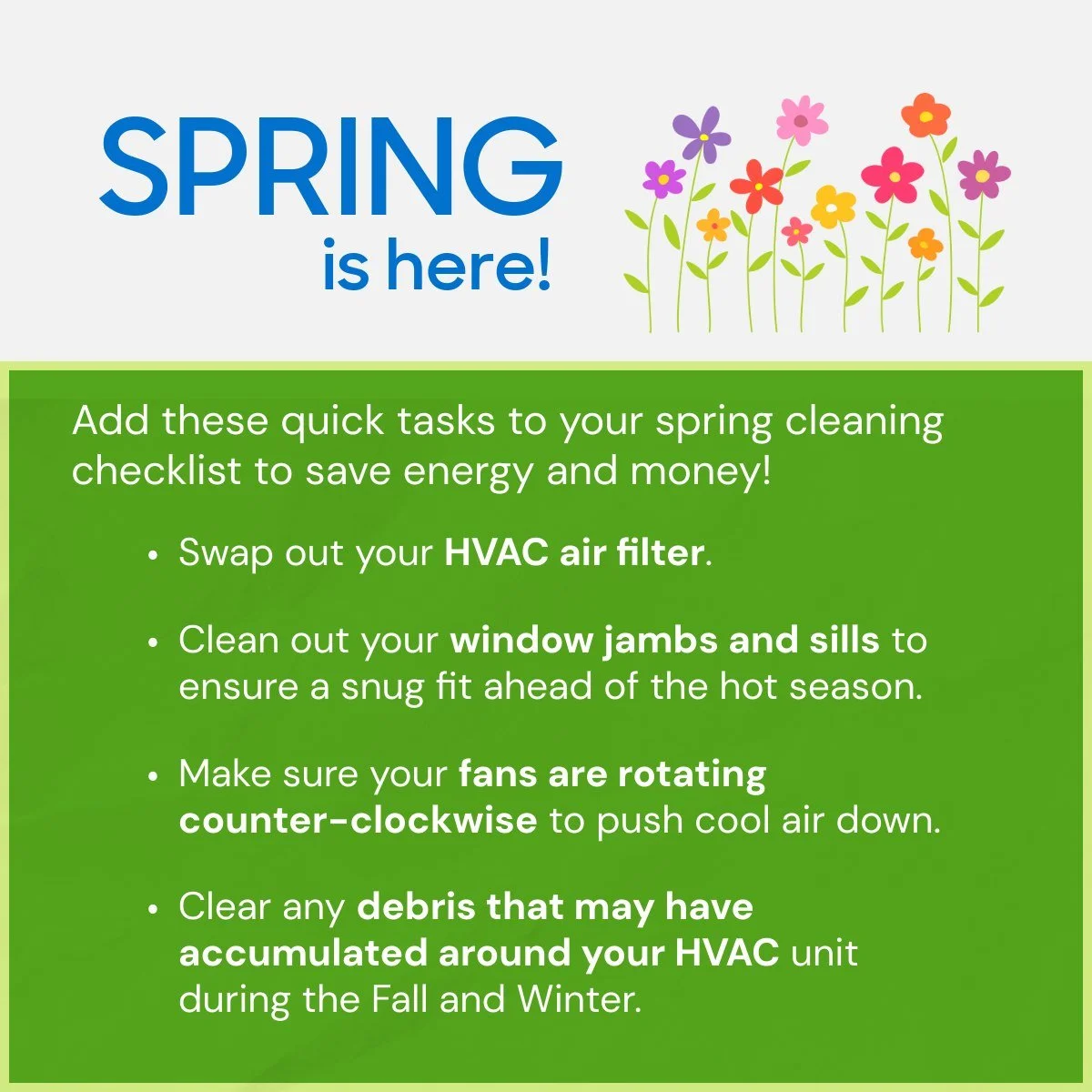
Spring has officially arrived across West Tennessee and North Mississippi, and for many homeowners, that means it’s time for spring cleaning.

But while you’re dusting, organizing, and freshening up your home, don’t forget one of the most important parts of your house — your HVAC system.

The good news? You don’t need a full weekend project to improve your home’s energy efficiency. A few simple tasks can help you save money, improve comfort, and reduce strain on your system as we head into the warmer months.

Why Spring Is the Perfect Time for HVAC Maintenance

After months of colder weather, your HVAC system is about to shift into cooling mode.

Preparing now helps:

  • Improve system efficiency

  • Lower energy bills

  • Prevent breakdowns during peak summer heat

  • Extend the life of your equipment

For homeowners in Counce, Pickwick, Savannah, Hardin County, Corinth, MS, and surrounding areas, getting ahead of the heat is one of the smartest things you can do.

1️⃣ Swap Out Your HVAC Air Filter

Your air filter plays a major role in how efficiently your system runs.

Over time, it collects:

  • Dust

  • Pollen

  • Pet dander

  • Airborne debris

When it becomes clogged, airflow is restricted — forcing your system to work harder.

Why it matters:

  • Improves airflow

  • Reduces energy usage

  • Enhances indoor air quality

  • Helps prevent system strain

This is one of the easiest and most effective ways to improve efficiency.

2️⃣ Clean Your Window Jambs and Sills

It might not seem like an HVAC task, but your windows play a big role in energy efficiency.

Dirt and debris can prevent windows from sealing properly, allowing cool air to escape once summer temperatures rise.

Why it matters:

  • Helps maintain a tight seal

  • Reduces energy loss

  • Keeps conditioned air inside your home

A quick clean can make a noticeable difference when your AC starts running regularly.

3️⃣ Set Your Ceiling Fans for Summer Mode

Ceiling fans are a simple way to support your HVAC system.

During warmer months, fans should rotate counter-clockwise, which pushes cool air downward and helps circulate it more effectively.

Why it matters:

  • Improves comfort

  • Reduces the workload on your AC

  • Helps maintain consistent temperatures

Using fans properly can help you feel cooler without lowering the thermostat.

4️⃣ Clear Debris Around Your Outdoor HVAC Unit

Your outdoor unit needs proper airflow to function efficiently.

After fall and winter, it’s common for debris like:

  • Leaves

  • Dirt

  • Grass clippings

  • Branches

To build up around the unit.

Why it matters:

  • Improves heat transfer

  • Prevents system overheating

  • Helps your AC run more efficiently

Clearing a few feet around the unit can significantly improve performance.

Small Tasks, Big Savings

These quick spring cleaning tasks may seem simple, but they can have a major impact on your home’s energy efficiency.

Benefits include:

✔ Lower energy bills
✔ Improved indoor comfort
✔ Reduced system wear and tear
✔ Better airflow and performance

When combined with regular HVAC maintenance, these steps help your system operate at its best.

Don’t Forget Professional Maintenance

While DIY steps are important, a professional HVAC tune-up ensures your system is fully ready for the season ahead.

A spring inspection can catch small issues before they turn into costly repairs during the hottest days of the year.

Learn More Ways to Save Energy at Home

If you’re looking for even more ways to improve efficiency and reduce energy costs, there are plenty of resources available.

👉 Learn more here:
http://tva.me/Ln8a50YmYrm

Get Your Home Ready for Warmer Weather

Spring is the perfect time to prepare your home for the months ahead.

For homeowners in West Tennessee and North Mississippi, taking a few simple steps now can make a big difference in comfort and energy savings all summer long.

📞 Harbin Heating & Air Conditioning — 731-689-3651

A little effort today can lead to a cooler, more efficient home tomorrow.

Tank vs Tankless Water Heaters: Which Is Right for Your Home in 2026?

If your water heater is starting to struggle — or you’re planning an upgrade — one of the biggest decisions you’ll face is:

Should you choose a traditional tank water heater or go tankless?

For homeowners across West Tennessee and North Mississippi, including Counce, Pickwick, Savannah, Hardin County, Corinth, MS, and surrounding areas, both options have advantages depending on your home, budget, and hot water usage.

Let’s break down the differences so you can choose the right system for your needs in 2026.

How Traditional Tank Water Heaters Work

Tank water heaters store and heat a set amount of water — typically 30 to 80 gallons — and keep it ready for use.

When you use hot water:

  • The tank empties

  • New water enters

  • The system reheats it

Once the tank runs out, you have to wait for it to refill and reheat.

Pros of Tank Water Heaters

Traditional tank systems are still widely used for good reason:

✔ Lower upfront cost
✔ Simple installation
✔ Reliable performance
✔ Works well for moderate usage households

They are often the most cost-effective option for homeowners who don’t need continuous hot water.

Cons of Tank Water Heaters

However, tank systems have limitations:

  • Limited hot water supply

  • Can run out during high demand

  • Takes time to reheat

  • Less energy efficient

  • Shorter lifespan (typically 8–12 years)

If your household uses a lot of hot water, these limitations can become frustrating.

How Tankless Water Heaters Work

Tankless systems heat water on demand instead of storing it.

When you turn on a faucet:

  • Water flows through the unit

  • It is heated instantly

  • You get hot water continuously

There’s no storage tank — and no waiting for reheating.

Pros of Tankless Water Heaters

Tankless systems offer several key benefits:

✔ Endless hot water supply
✔ Higher energy efficiency
✔ Lower operating costs over time
✔ Compact design (saves space)
✔ Longer lifespan (often 15–20 years)

For larger households or homes with high hot water demand, tankless systems can be a major upgrade.

Cons of Tankless Systems

Tankless systems also come with considerations:

  • Higher upfront cost

  • May require electrical or gas upgrades

  • Installation can be more complex

  • May need multiple units for large homes

While the long-term savings can offset the cost, the initial investment is typically higher.

Energy Efficiency Differences

Tank water heaters continuously heat stored water — even when it’s not being used. This leads to standby heat loss.

Tankless systems only heat water when needed, which makes them more efficient.

Over time, this can lead to:

  • Lower energy bills

  • Reduced energy waste

  • Improved overall efficiency

Which System Is Best for Your Home?

The right choice depends on your specific needs.

Tank May Be Best If:

  • You want a lower upfront cost

  • Your household uses moderate amounts of hot water

  • You prefer a simpler installation

Tankless May Be Best If:

  • You want unlimited hot water

  • Your household has high demand

  • You want long-term energy savings

  • You plan to stay in your home long-term

When Should You Replace Your Water Heater?

Regardless of which system you choose, it may be time to upgrade if your current unit:

  • Is over 10 years old

  • Runs out of hot water quickly

  • Shows signs of rust or leaks

  • Requires frequent repairs

  • Causes rising energy bills

Upgrading before failure allows you to choose the best system without the pressure of an emergency.

Upgrade Your Comfort and Efficiency

A new water heater can significantly improve your home’s comfort and energy efficiency.

For homeowners in Counce, Pickwick, Savannah, Hardin County, Corinth, MS, and across West Tennessee and North Mississippi, choosing the right system can make everyday life more convenient — and more cost-effective.

If you’re considering replacing your water heater or upgrading to a tankless system, professional guidance can help you make the best decision.

📞 Harbin Heating & Air Conditioning — 731-689-3651

Whether you choose tank or tankless, the right system will keep hot water flowing when you need it most.

Whole-Home Generator Installation: What Homeowners Should Expect from Start to Finish

With spring storms and summer outages becoming more common across West Tennessee and North Mississippi, many homeowners are considering installing a whole-home generator.

If you’ve never gone through the process before, you may be wondering what to expect.

From initial evaluation to final installation, here’s how generator installation typically works.

Step 1: Home Evaluation and Load Assessment

The process begins with evaluating your home’s electrical needs.

Technicians will determine:

  • How much power your home requires

  • Which systems you want to back up

  • Whether you want partial or full-home coverage

This step ensures the generator is properly sized for your home.

Step 2: Choosing the Right Generator

Generators come in different sizes and configurations.

Homeowners can choose between:

  • Whole-home backup systems

  • Essential circuit coverage

Fuel options typically include:

  • Natural gas

  • Propane

Choosing the right system depends on your home size, energy usage, and preferences.

Step 3: Site Selection and Preparation

The generator must be installed in a safe and accessible location outside your home.

During this step, technicians consider:

  • Distance from the home

  • Local code requirements

  • Proper ventilation

  • Accessibility for maintenance

Proper placement ensures safe and efficient operation.

Step 4: Permits and Utility Coordination

Generator installation often requires permits and coordination with local utilities.

This may include:

  • Electrical permits

  • Gas line installation or upgrades

  • Utility approvals

Professional installers handle this process to ensure everything meets code requirements.

Step 5: Installation and Connection

Once everything is approved, installation begins.

This includes:

  • Setting the generator unit

  • Connecting fuel supply

  • Installing the transfer switch

  • Wiring the system to your home

The transfer switch is what allows the generator to automatically power your home during an outage.

Step 6: System Testing

After installation, the system is fully tested to ensure it operates correctly.

Technicians will:

  • Simulate a power outage

  • Confirm automatic startup

  • Verify system performance

  • Check load capacity

This step ensures your generator is ready when you need it.

What Happens During a Power Outage?

When the power goes out:

  1. The generator detects the outage

  2. It automatically turns on within seconds

  3. The transfer switch redirects power to your home

  4. Your home continues running normally

No manual setup required.

Why More Homeowners Are Installing Generators

Generators provide:

✔ Reliable backup power
✔ Protection for HVAC systems and appliances
✔ Convenience during outages
✔ Peace of mind during storm season

For homeowners in Counce, Pickwick, Savannah, Hardin County, Corinth, MS, and across West Tennessee and North Mississippi, this reliability is becoming more valuable each year.

Be Ready Before the Next Storm

Waiting until after a major outage often means long delays and high demand for installations.

Planning ahead ensures your home is protected before the next storm arrives.

📞 Harbin Heating & Air Conditioning — 731-689-3651

Stay powered, stay comfortable, and stay prepared — no matter what the weather brings.

Why Your Air Conditioner Is Blowing Warm Air — And What It Means for Your System

When your air conditioner is running but blowing warm air, it’s one of the most frustrating problems a homeowner can face — especially as temperatures start rising across West Tennessee and North Mississippi.

If you live in Counce, Pickwick, Savannah, Hardin County, Corinth, MS, or surrounding areas, this is often one of the first warning signs that your system needs attention before the summer heat arrives.

The good news? Some causes are simple fixes — but others may require professional repair.

Common Reasons Your AC Is Blowing Warm Air

There are several possible causes behind this issue, and identifying the right one is key.

Thermostat Settings

It may sound simple, but sometimes the issue is just a thermostat setting.

Check to make sure:

  • The thermostat is set to cool, not heat

  • The fan is set to auto, not on

  • The temperature is set lower than the current room temperature

Incorrect settings can make it seem like your system isn’t cooling properly.

Dirty Air Filter

A clogged air filter restricts airflow and can prevent your system from cooling effectively.

This can cause:

  • Reduced airflow

  • Warmer air coming from vents

  • Increased system strain

Replacing your filter is one of the easiest and most effective fixes.

Low Refrigerant Levels

Refrigerant is what allows your system to remove heat from your home.

If levels are low, your AC may:

  • Blow warm or lukewarm air

  • Run longer than normal

  • Struggle to reach set temperatures

Low refrigerant usually indicates a leak, which requires professional repair.

Dirty or Blocked Outdoor Unit

Your outdoor condenser unit plays a major role in releasing heat.

If it’s covered in:

  • Dirt

  • Leaves

  • Grass clippings

It can’t properly remove heat, which leads to poor cooling performance.

Keeping the unit clean and clear improves efficiency.

Electrical or Component Issues

Problems with components like:

  • Capacitors

  • Compressors

  • Contactors

Can prevent your system from cooling even if it appears to be running.

These issues typically require professional diagnosis and repair.

When It’s a Simple Fix — and When It’s Not

Some problems can be handled quickly:

✔ Thermostat adjustments
✔ Air filter replacement
✔ Clearing debris from outdoor unit

But others — like refrigerant leaks or electrical failures — should be addressed by a professional.

Why You Shouldn’t Ignore the Problem

If your AC is blowing warm air, continuing to run the system can:

  • Increase energy bills

  • Cause additional system damage

  • Lead to complete system failure

  • Reduce overall lifespan

Addressing the issue early can prevent a small repair from turning into a major expense.

Get Ahead of the Summer Heat

As temperatures rise across West Tennessee and North Mississippi, your air conditioner needs to be ready to perform.

If your system is already showing signs of trouble, now is the time to have it inspected.

📞 Harbin Heating & Air Conditioning — 731-689-3651
Serving Counce, Pickwick, Savannah, Hardin County, Corinth, MS, and surrounding areas

Don’t wait until the hottest day of the year — fix the problem before it gets worse.

How to Find HVAC Rebates and Incentives Near You — And Save on Your Next Upgrade

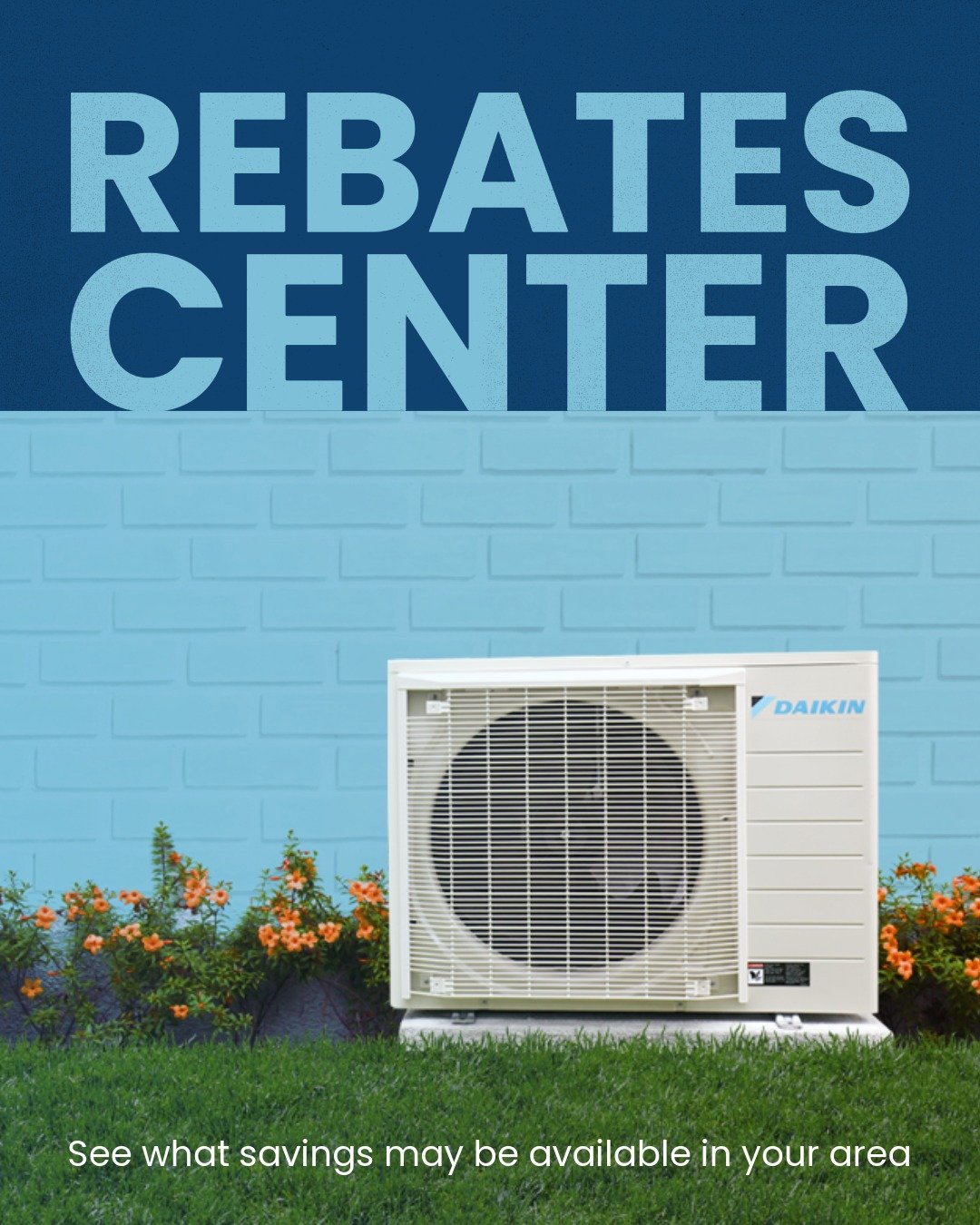
Upgrading your HVAC system can feel like a big investment — but what many homeowners don’t realize is that there may be money available to help offset the cost.

From local rebates to utility incentives, homeowners across West Tennessee and North Mississippi may qualify for savings when upgrading to a more efficient, more comfortable system.

And the best part?
You can check what’s available in your area in just a few clicks.

👉 Start exploring savings here:
https://bit.ly/40D8XUP

Why HVAC Rebates Exist

Utility companies and energy programs offer rebates for one simple reason:

Efficient homes use less energy.

When homeowners upgrade to high-efficiency HVAC systems, it reduces strain on the power grid and lowers overall energy demand.

To encourage these upgrades, programs offer financial incentives that can significantly reduce upfront costs.

What Types of Upgrades Qualify?

Rebates and incentives often apply to a range of energy-efficient improvements, including:

  • High-efficiency air conditioning systems

  • Heat pumps

  • Smart thermostats

  • Duct sealing and airflow improvements

  • Whole-home energy upgrades

Depending on the system and location, homeowners may qualify for hundreds — or even thousands — of dollars in savings.

Why It’s Worth Checking What’s Available

Many homeowners assume rebates are complicated or not worth the effort — but that’s no longer the case.

Today, tools are available that make it easy to:

  • Search by your location

  • See available incentives instantly

  • Understand potential savings

  • Explore upgrade options

In just a few minutes, you can get a clear picture of what opportunities are available for your home.

How Rebates Help You Save More Than Once

Rebates don’t just reduce upfront costs — they also help you save over time.

When you upgrade to an energy-efficient system, you benefit from:

✔ Lower installation costs (thanks to rebates)
✔ Reduced monthly energy bills
✔ Improved system performance
✔ Greater home comfort

This combination makes energy-efficient upgrades one of the smartest long-term investments for homeowners.

Timing Matters for HVAC Upgrades

If your system is aging or struggling to keep up, waiting too long can cost more in the long run.

Upgrading proactively allows you to:

  • Take advantage of available incentives

  • Avoid emergency replacement costs

  • Schedule installation at your convenience

  • Choose the best system for your home

Waiting until your system fails often limits your options and increases urgency — which can lead to higher costs.

Don’t Miss Out on Available Savings

Rebates and incentives change over time and vary based on your location and the type of system you install.

That’s why it’s important to check what’s currently available.

👉 Start exploring savings in your area:
https://bit.ly/40D8XUP

Rebates and incentives vary by location and system.

Upgrade Comfort and Efficiency at the Same Time

A new HVAC system doesn’t just lower energy bills — it improves how your home feels every day.

Homeowners across Counce, Pickwick, Savannah, Hardin County, Corinth, MS, and North Mississippi are upgrading to modern systems that deliver:

  • More consistent temperatures

  • Better humidity control

  • Quieter operation

  • Improved indoor air quality

When paired with available rebates, these upgrades become even more attractive.

Get Help Finding the Right Solution

Choosing the right HVAC system — and maximizing available rebates — can feel overwhelming without guidance.

Working with experienced professionals helps ensure:

  • Proper system sizing and installation

  • Eligibility for available incentives

  • Long-term system performance

📞 Harbin Heating & Air Conditioning — 731-689-3651
Serving West Tennessee and North Mississippi

The right upgrade can improve comfort, reduce costs, and make your home more efficient for years to come.

Start with the savings — and build from there.

Why Your Hot Water Runs Out Too Fast — And When It’s Time to Replace Your Water Heater

There’s nothing more frustrating than running out of hot water halfway through a shower — especially in the middle of your day.

For homeowners across West Tennessee and North Mississippi, including Counce, Pickwick, Savannah, Hardin County, Corinth, MS, and surrounding areas, this is a common issue — and often a sign your water heater is struggling or nearing the end of its lifespan.

If your hot water doesn’t last like it used to, it’s time to take a closer look at what might be going on.

Why Does Hot Water Run Out So Quickly?

Several issues can cause your hot water supply to disappear faster than expected.

Sediment Buildup Inside the Tank

Over time, minerals in your water settle at the bottom of your tank, creating a layer of sediment.

This buildup:

  • Reduces the amount of usable hot water

  • Forces the system to work harder

  • Decreases efficiency

  • Can lead to overheating and damage

Sediment is one of the most common reasons homeowners experience reduced hot water capacity.

Aging Water Heater

Most traditional tank water heaters last around 8–12 years.

As they age, they become less efficient and struggle to keep up with demand.

Signs of an aging unit include:

  • Running out of hot water quickly

  • Longer recovery times

  • Increased energy bills

  • More frequent repairs

If your system is nearing or past this age range, replacement may be the most cost-effective option.

Tank Size No Longer Meets Your Needs

Your household’s hot water demand may have increased over time.

If you’ve added:

  • Family members

  • Appliances (dishwashers, washing machines)

  • Larger tubs or showers

Your current tank may simply be too small for your needs.

Failing Heating Elements or Burners

Electric water heaters rely on heating elements, while gas systems use burners.

If these components begin to fail, your system may:

  • Heat water more slowly

  • Produce less hot water

  • Deliver inconsistent temperatures

This can make it feel like your hot water runs out faster than it should.

Thermostat Issues

Water heaters use thermostats to regulate temperature.

If the thermostat is malfunctioning or set incorrectly, your water may not be heating to the proper level.

This can reduce the amount of usable hot water available.

When Is It Time to Replace Your Water Heater?

Sometimes repairs can fix the issue — but in many cases, replacement is the better long-term solution.

You may want to consider replacing your water heater if:

  • It’s over 10 years old

  • You frequently run out of hot water

  • Repairs are becoming more common

  • You notice rust or corrosion

  • Your energy bills are rising

Replacing an aging system can improve both performance and efficiency.

Tank vs Tankless: What Are Your Options?

If you’re considering replacement, you may have more options than you realize.

Traditional Tank Water Heaters

  • Lower upfront cost

  • Reliable performance

  • Stores a set amount of hot water

Best for households with predictable usage patterns.

Tankless Water Heaters

  • Heat water on demand

  • Provide continuous hot water

  • Take up less space

  • Offer higher energy efficiency

Ideal for households that use a lot of hot water or want endless supply.

Benefits of Upgrading Your Water Heater

Replacing your water heater offers more than just reliable hot water.

Homeowners often experience:

✔ More consistent hot water supply
✔ Improved energy efficiency
✔ Lower utility costs
✔ Faster recovery times
✔ Reduced risk of leaks or failure

A modern system can make a noticeable difference in both comfort and performance.

Don’t Wait for a Complete Failure

Water heaters often show warning signs before they fail completely.

Ignoring these signs can lead to:

  • Unexpected cold showers

  • Water damage from leaks

  • Emergency replacement costs

Planning ahead allows you to choose the right system without the pressure of an urgent breakdown.

Get Reliable Hot Water Back

If your hot water isn’t lasting like it used to, it may be time to have your system evaluated.

For homeowners in Counce, Pickwick, Savannah, Hardin County, Corinth, MS, and across West Tennessee and North Mississippi, upgrading your water heater can restore comfort and improve efficiency.

📞 Harbin Heating & Air Conditioning — 731-689-3651

Don’t settle for short showers — get the reliable hot water your home needs.

Home Generator Maintenance: What Needs to Be Checked Before Storm Season Hits

Spring storm season is approaching across West Tennessee and North Mississippi, and with it comes an increased risk of power outages.

For homeowners in Counce, Pickwick, Savannah, Hardin County, Corinth, MS, and surrounding areas, a home generator can provide peace of mind — but only if it’s properly maintained.

The worst time to discover a problem with your generator is during a power outage.

Why Generator Maintenance Is So Important

Standby generators are designed to start automatically when power is lost. But like any mechanical system, they require routine maintenance to operate reliably.

Without maintenance, generators may:

  • Fail to start

  • Shut down unexpectedly

  • Run inefficiently

  • Experience component damage

Regular service ensures your system is ready when you need it most.

What Should Be Checked Annually?

A professional generator maintenance visit typically includes:

Oil and Filter Changes
Just like a vehicle, generators need clean oil to run properly.

Battery Inspection
A weak or dead battery is one of the most common reasons generators fail to start.

Load Testing
Ensures the generator can handle the electrical demand of your home.

Fuel System Check
Confirms proper fuel flow and identifies potential issues.

Electrical System Inspection
Verifies safe operation and proper connections.

Why Generators Fail Without Maintenance

Many generator failures come down to simple, preventable issues.

Common causes include:

  • Old or degraded oil

  • Battery failure

  • Fuel supply problems

  • Worn components

  • Lack of regular testing

These issues often go unnoticed until the system is needed during an outage.

Preparing for Spring Storm Season

Spring storms in West Tennessee and North Mississippi can bring:

  • High winds

  • Lightning

  • Heavy rain

  • Falling trees and power line damage

Having a properly maintained generator ensures your home stays powered when the grid goes down.

Signs Your Generator Needs Service

You may need maintenance if your generator:

  • Hasn’t been serviced in over a year

  • Struggles to start during testing

  • Makes unusual noises

  • Shows warning lights or error codes

  • Runs inconsistently

Routine service helps prevent these issues before they become emergencies.

Don’t Wait Until the Power Goes Out

Generator maintenance is one of the most important steps you can take before storm season.

Scheduling service ahead of time ensures your system is ready when you need it most.

📞 Harbin Heating & Air Conditioning — 731-689-3651
Serving Counce, Pickwick, Savannah, Hardin County, Corinth, MS, and North Mississippi

Stay prepared, stay powered, and stay comfortable — no matter what the weather brings.

Why Your HVAC System Short Cycles — And How It’s Costing You Money

Short cycling is one of the most common — and most overlooked — HVAC problems homeowners face.

Across West Tennessee and North Mississippi, especially in Counce, Pickwick, Savannah, Hardin County, Corinth, MS, and nearby areas, many homeowners notice their system turning on and off more frequently than usual… but don’t realize it’s a problem.

If your HVAC system is constantly starting and stopping, it’s not just annoying — it’s costing you money and putting unnecessary strain on your equipment.

What Is Short Cycling?

Short cycling happens when your HVAC system turns on, runs for a short time, then shuts off — only to start back up again shortly after.

Instead of running steady cycles, the system repeatedly starts and stops before reaching the desired temperature.

What Causes Short Cycling?

Several issues can lead to short cycling:

Dirty Air Filters
Restricted airflow can cause your system to overheat or shut down early.

Oversized HVAC System
A system that’s too large cools your home too quickly, then shuts off before completing a full cycle.

Thermostat Problems
Incorrect placement or faulty calibration can cause inaccurate temperature readings.

Refrigerant Issues
Low refrigerant levels can prevent proper cooling cycles.

Electrical or Component Issues
Faulty capacitors or relays can interrupt normal operation.

Why Short Cycling Is a Problem

Short cycling may seem minor, but it can lead to several serious issues:

  • Higher energy bills from inefficient operation

  • Increased wear and tear on components

  • Reduced system lifespan

  • Uneven temperatures throughout your home

  • More frequent breakdowns

Each time your system starts, it uses more energy than when it runs steadily. Frequent cycling increases both energy consumption and equipment stress.

How It Impacts Comfort

Short cycling prevents your system from properly removing humidity — a major issue in West Tennessee and North Mississippi.

This can leave your home feeling:

  • Sticky

  • Humid

  • Inconsistently cooled

Even if the temperature looks right on the thermostat, comfort can suffer.

When to Call for Service

If you notice your system:

  • Turning on and off frequently

  • Struggling to maintain temperature

  • Causing rising energy bills

  • Running in very short bursts

It’s time to have it inspected.

Addressing the issue early can prevent more expensive repairs later.

Fix the Problem Before It Gets Worse

Short cycling won’t fix itself — and ignoring it often leads to bigger problems down the road.

A professional HVAC inspection can identify the root cause and restore proper system operation.

📞 Harbin Heating & Air Conditioning — 731-689-3651
Serving Counce, Pickwick, Savannah, Hardin County, Corinth, MS, and North Mississippi

Fixing short cycling today can help you avoid costly repairs tomorrow.